Table of Contents
- 1. February 2024 brings diverse events to Mexico City
- 2. Tamal Fest 2026: A Culinary Celebration
- 3. Zona Maco Art Week: Latin America’s Premier Art Fair
- 4. Alegría y Olivo Fest 2026: Sweet Delights in Xochimilco
- 5. Black Swan Performance at Chapultepec Castle
- 6. Exploring Contemporary Art at Zona Maco
- 7. Cultural Highlights: Chinese New Year Celebrations
- 8. Immersive Experiences: Mystika and Enlightenment
- 9. Electric Daisy Carnival: A Music Extravaganza
- 10. UNAM Kite Festival: A Colorful Tradition
- 11. Conclusion: Embrace the Vibrancy of Mexico City in February 2024
- 11.1 A Month of Cultural Richness
- 11.2 Diverse Experiences Await
- 11.3 Plan Your Visit Wisely
February 2024 brings diverse events to Mexico City
- Tamales take center stage around Día de la Candelaria, with major tastings and local producers in the spotlight.
- Art Week energy peaks with Zona Maco and parallel contemporary art programming across the city.
- February nights bring big-ticket spectacle, from open-air ballet at Chapultepec Castle to immersive light-and-sound shows.
- The calendar also makes room for global culture—Chinese New Year celebrations at CENART are a standout.
- Electronic music fans can plan around Electric Daisy Carnival’s multi-day, multi-stage format.
| Event | Dates (as listed) | Area | Typical time commitment | Starting cost (as listed) |
|---|---|---|---|---|
| Tamal Fest | Jan. 30–Feb. 2 | Iztapalapa (plus a similar Roma edition noted) | 1–2 hours (flexible) | Free |
| Zona Maco Art Week | Feb. 4–8 | Centro Citibanamex (Miguel Hidalgo) | Half-day to full day | 450 MXN |
| Alegría y Olivo Fest (Feria de la Alegría) | Jan. 31–Feb. 15 | Xochimilco (Santiago Tulyehualco) | 1–3 hours | Free |
| “Black Swan” (open-air) | Feb. 12–Mar. 8 (Thu–Sun evenings) | Chapultepec Castle | Evening + walk time | 1,200 MXN |
| Chinese New Year at CENART | Feb. 14 (11 a.m.–6 p.m.) | Coyoacán | 2–6 hours | Free |
| Mystika | All February | Reforma (Juárez) | 60–90 minutes (varies) | 420 MXN |
| “Enlightenment”: “The Four Seasons” | Feb. 13–28 | Roma Norte | ~30 minutes (+ entry/exit) | 210 MXN |
| EDC | Feb. 21–23 | (Verify venue on your ticket) | Full evening(s) | (Varies) |
| UNAM Kite Festival (MAP) | Feb. 21–Apr. 5 | Centro Histórico | 45–90 minutes | 60 MXN |
Mexico City Event Details Note
These dates, locations, and prices are drawn from a Mexico City cultural listing (Mexico News Daily). Event details can shift (especially venues, entry rules, and ticket tiers), so it’s worth doing a quick same-day check on the organizer/venue page before you build your route.
Tamal Fest 2026: A Culinary Celebration
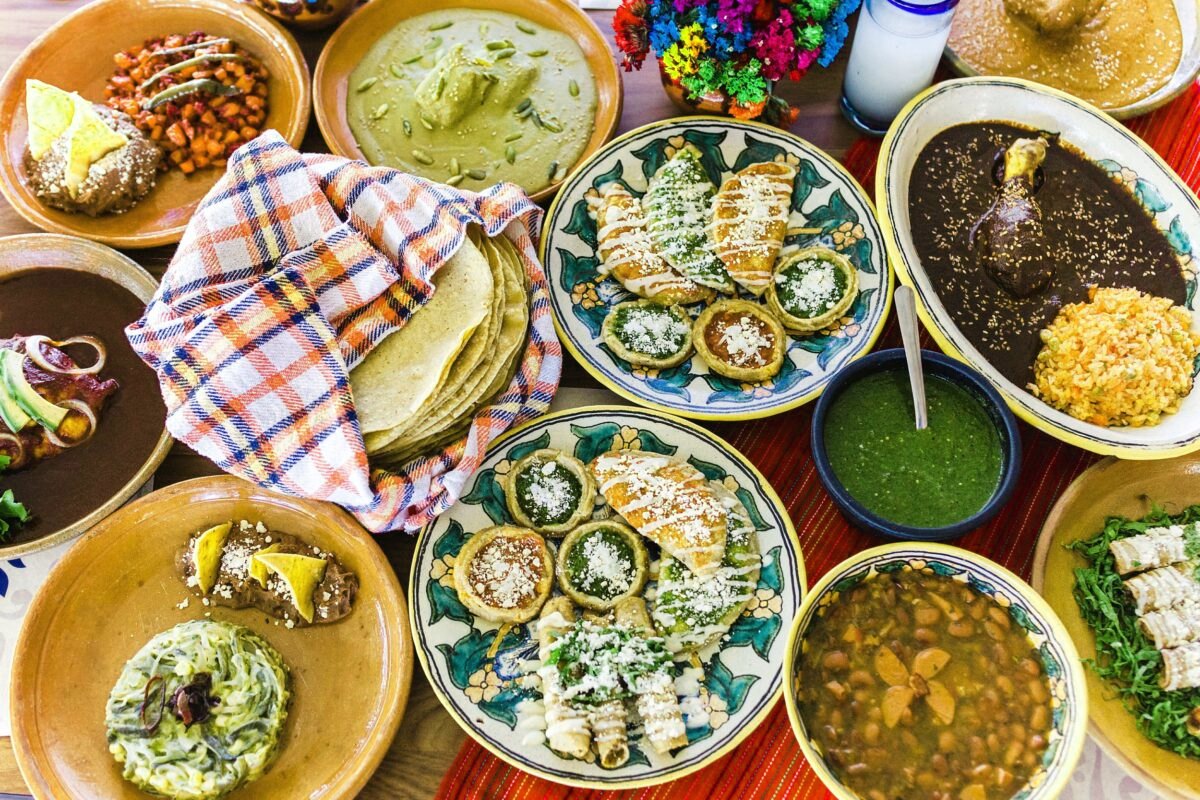
In Mexico City, February has a flavor—and it’s masa. The month’s most emblematic bite is the tamal, tied closely to Candlemas Day (Día de la Candelaria), when many families keep a long-running tradition: if you found the baby Jesus figurine in the Three Kings’ Day bread (rosca de reyes), you’re on the hook to provide tamales. That cultural rhythm is what makes Tamal Fest 2026 feel less like a niche food fair and more like a seasonal civic ritual.
The festival’s 15th edition is set up as a showcase of local producers and regional variety, with 50 exhibitors from various parts of Mexico. That matters in a city where “tamales” can mean dozens of styles—wrapped, steamed, sauced, sweet, savory—depending on where a vendor learned the craft. The event’s framing is explicitly about celebrating culinary tradition and the talent of producers, rather than turning tamales into a novelty item.
Logistically, the main edition is anchored in Iztapalapa, a borough that often feels distant to visitors who stay in central neighborhoods. The event runs Jan. 30 to Feb. 2 at the Macroplaza de la Alcaldía, Barrio San Lucas, Iztapalapa, and it’s free—a key point in a month that also includes premium-priced performances and ticketed fairs. The original listing also notes that if Iztapalapa feels too far, there will be a similar edition in Colonia Roma, offering a more central alternative for those based in Roma/Condesa.
Tamale Fair Visit Essentials
Go / know / bring (so it feels easy, not overwhelming):
– Go early if you want the widest vendor selection; go later if you’re happy with shorter lines and whatever’s still hot.
– Know that “tamales” vary a lot by region—ask where a vendor’s style is from if you want to compare (Oaxaca vs. Veracruz vs. CDMX styles, etc.).
– Bring small cash if you plan to sample from multiple stalls (even when entry is free).
– Bring napkins/wet wipes if you’re doing a tasting loop.
– If you’re choosing between Iztapalapa and the Roma edition, decide based on your day’s geography—pair Iztapalapa with east-side plans; pair Roma with Art Week galleries and dinner nearby.
Tamal Fest is also a reminder that Mexico City’s “what to do” calendar isn’t only about museums and nightlife. Sometimes the most revealing cultural experience is standing in line, watching how people order, what they pair with their food, and how a neighborhood turns a religiously rooted date into a public, shared appetite. If you’re planning your February around a few big-ticket events, this is the kind of stop that balances the itinerary: local, accessible, and built around a tradition that’s still very much alive.
Zona Maco Art Week: Latin America’s Premier Art Fair
If there’s a single event that reliably positions Mexico City as a regional cultural capital in February, it’s Zona Maco Art Week. The fair is described as the most important art fair in Latin America, and it’s also a practical marker on the city’s calendar: when Zona Maco arrives, galleries, collectors, artists, and curious visitors converge—often treating the week as a concentrated survey of contemporary art proposals in one place.
For its 22nd edition, Zona Maco brings together more than 228 galleries from 26 countries at Centro Citibanamex. The scale is part of the story: a single venue that can hold painting, sculpture, installation, video, and emerging technologies under one roof, curated by a Selection Committee to ensure a range of formats rather than a single aesthetic lane. Even for non-specialists, that variety is what makes the fair approachable. You can move from traditional media to tech-forward work without changing neighborhoods.
How Big, and For Whom
How big is “big,” and who is it for?
– Scale: Think of it less like one exhibition and more like many gallery shows happening at once in a convention-style venue.
– Best for: curious first-timers who want a broad survey, collectors who want efficiency, and travelers who want one concentrated “Art Week” anchor.
– Planning reality: You won’t see everything—most visitors have a better time by picking 2–3 themes (e.g., painting + installation + emerging tech) and letting the rest be a bonus.
The 2026 edition also signals expansion in scope through the launch of the Zona Maco Antiques Salon, which adds antiques to the mix. It’s co-curated by collectors Mario Uvence and Alfonso Miranda Márquez, and the inclusion is notable because it broadens the fair’s time horizon: not only what’s new, but what’s historically valued, collected, and displayed. In a city where the old and the new constantly overlap—colonial streets near contemporary towers—that curatorial move feels aligned with Mexico City’s own visual logic.
Dates and logistics are straightforward: Feb. 4–8, at Centro Citibanamex (Av. Del Conscripto 311, Lomas de Sotelo, Miguel Hidalgo). Tickets start at 450 pesos. For travelers, the location in Miguel Hidalgo (near the Polanco area) can be a planning factor—especially if you’re also trying to fit in events across the city’s south (Coyoacán, Xochimilco) and center (Roma). But the payoff is concentration: a week where Mexico City’s contemporary art ecosystem becomes unusually legible, even to first-time visitors.
Alegría y Olivo Fest 2026: Sweet Delights in Xochimilco
Not every February highlight in Mexico City is a blockbuster festival or a ticketed spectacle. Some of the month’s most memorable events are rooted in local ingredients and neighborhood pride—like the Alegría y Olivo Fest 2026, also described as the Feria de la Alegría, which places amaranth at the center of the experience.
Amaranth is one of the emblematic plants in Mexican sweets, and here it becomes the star ingredient in a fair that leans into tradition without turning it into a museum piece. Visitors can expect classic confectionery: palanquetas, churritos, obleas, and other Mexican sweet delicacies. The point isn’t just sampling; it’s also purchasing directly from local vendors, which keeps the event grounded in community commerce rather than a purely curated “foodie” showcase.
Navigate the Fair Efficiently
A simple way to do the fair (especially if you’re coming from central neighborhoods):
1) Start by pinning “Plaza Quirino Mendoza, Santiago Tulyehualco” on your map and checking the travel time—Xochimilco can be a longer cross-city ride.
2) Arrive, do one full lap without buying anything first (5–10 minutes) so you can compare prices and spot the busiest stands.
3) Buy small portions early, then pick 1–2 “take-home” sweets once you know what you actually liked.
4) If you hear live music starting, pause there—concerts are part of the experience and a good natural break.
Checkpoint: If you’re short on time, prioritize vendors selling amaranth-based classics (alegrías/palanquetas) and the craft tables; you can always snack elsewhere later.
The setting matters. The fair takes place at Plaza Quirino Mendoza in Santiago Tulyehualco, Xochimilco, a southern borough that many visitors associate with canals and trajineras. The fair’s location offers a different Xochimilco lens: not only floating gardens, but a public square where food traditions and craft-making take up space in the open air. It’s the 53rd edition, which signals longevity—an event that has outlasted trends and continues to draw people back year after year.
Programming goes beyond sweets. The listing notes free concerts and exhibitions of amaranth-themed crafts, which helps explain why the fair can work for mixed groups: some people come for snacks, others for music, others for browsing handmade items tied to the ingredient. It’s also an easy win for budget-conscious travelers because the event is free, and it runs long enough to be flexible: Jan. 31 to Feb. 15.
In a month that can feel packed with “must-see” cultural institutions, Alegría y Olivo Fest offers something quieter but no less telling: a chance to watch how Mexico City celebrates sweetness as heritage—through ingredients, recipes, and the simple act of gathering in a plaza.
Black Swan Performance at Chapultepec Castle
Mexico City’s February calendar often rewards people who are willing to be outside after dark. One of the most striking examples is the contemporary vision of “Black Swan” staged as an open-air performance at the esplanade of Chapultepec Castle—a setting that turns a familiar title into a site-specific experience.
The run is long enough to plan around: Feb. 12 to March 8, with performances on Thursday, Friday, Saturday and Sunday evenings. That schedule matters for visitors trying to balance day trips, museum hours, and nightlife. It also suggests the production is designed to be a recurring draw rather than a one-off gala—something you can fit into a long weekend or a midweek itinerary.
Night-Of Visit Readiness Check
A quick “will this night work?” check (venue-specific):
– Timing: Aim to be at the park entrance early enough to still arrive seated—45 minutes early is the baseline.
– Walk: Budget 15–30 minutes on foot from the parking lot; add buffer if you’re meeting friends or arriving at peak time.
– Weather: Plan for a temperature drop after sunset; a light jacket can be the difference between enjoying the performance and counting minutes.
– Seating/comfort: Because it’s open-air, prioritize comfort (layers, comfortable shoes) over “theater night” outfits.
The practical advice attached to the event is unusually specific, and it’s worth taking seriously because the venue is not a standard theater. Attendees are encouraged to arrive 45 minutes early. Access is on foot, and the walk to Chapultepec Castle takes between 15 and 30 minutes from the parking lot. That range hints at variables—crowds, pace, and where you start—so building in buffer time is part of the experience, not an inconvenience.
Then there’s the weather. Even in February, Mexico City can feel mild in the daytime and surprisingly cold at night. The listing recommends wearing a light jacket, a small detail that can make the difference between being absorbed in the performance and spending the evening distracted by the chill. In other words: this is an event where comfort planning is cultural planning.
Tickets start at 1,200 pesos, placing it among the pricier items on the month’s list. But the value proposition is tied to the setting: Chapultepec Castle is one of the city’s most iconic landmarks, and the esplanade offers a dramatic backdrop that a conventional stage can’t replicate. For visitors, it’s also a way to experience Chapultepec beyond daytime sightseeing—turning a historic site into a nighttime performance space, and letting the city’s winter air become part of the atmosphere.
Exploring Contemporary Art at Zona Maco
Zona Maco can be approached as a single fair, but it’s also a concentrated crash course in how contemporary art is presented, categorized, and consumed in Mexico City. The fair’s structure—multiple formats, international galleries, and curated sections—invites visitors to do more than “look at art.” It encourages comparison: between mediums, between national scenes, and between what feels experimental versus what feels collectible.
The 2026 edition’s programming explicitly spans painting, sculpture, installation, video and emerging technologies. That breadth is important because it reflects how contemporary art now circulates: not only as objects on walls, but as environments, moving images, and tech-enabled experiences. For a visitor, the advantage is exposure. Even if you arrive with a preference—say, painting—you’re likely to encounter work that challenges the boundaries of what you expected to see at an art fair.
Low-Stress Fair Navigation
A low-stress way to navigate a big fair:
1) Time-box your visit (e.g., 2 hours) and pick 2 priorities (one medium you love + one you’re curious about).
2) Do a fast first pass for orientation (15–20 minutes) without stopping at every booth.
3) On the second pass, slow down only for works that make you stop—take a photo of the wall label (if allowed) so you don’t rely on memory.
4) Add one “wild card” section (emerging tech, video, or installation) to avoid seeing only what you already like.
Checkpoint: If you feel visual fatigue, take a break—your attention is the scarce resource, not the number of booths.
The fair’s scale also changes how you navigate. It’s less like a single exhibition and more like a temporary city of booths and installations. The best way to “explore” in that context is to accept that you won’t see everything. Instead, you can treat the fair as a map of current conversations: what materials are trending, how galleries frame artists, and how emerging technologies are being positioned alongside traditional media.
The addition of the Zona Maco Antiques Salon adds another layer to that exploration. Antiques, by definition, bring different expectations: provenance, historical context, and a different kind of collecting culture. With the salon co-curated by Mario Uvence and Alfonso Miranda Márquez, the fair signals that “contemporary” doesn’t have to mean disconnected from the past. In practice, that can make the visitor experience richer: you can move from emerging tech to antiques and feel the tension—and continuity—between eras.
Finally, the venue itself—Centro Citibanamex—supports this kind of exploration because it’s built for large-scale events. The fair runs Feb. 4–8, which positions it as a planned outing rather than a casual drop-in for many people. But if you’re in Mexico City in February and want a single event that captures the city’s role as a cultural meeting point, Zona Maco’s contemporary art programming is one of the clearest windows you’ll get.
Cultural Highlights: Chinese New Year Celebrations
February in Mexico City isn’t only about local traditions; it’s also a month when global cultural calendars become visible in public space. The Chinese New Year celebrations at CENART stand out as one of the most energetic examples, framed in the listing as “possibly nothing more exciting” in the month’s lineup.
The event is hosted at CENART (Centro Nacional de las Artes) in collaboration with the Embassy of the People’s Republic of China in Mexico, and it’s designed as a traditional-style festival rather than a minimal ceremonial nod. The program includes dances, martial arts, workshops and exhibitions, creating a full-day schedule that can appeal to families, culture enthusiasts, and anyone curious about performance traditions.
On-Site Experience Highlights
What you can realistically expect on-site (based on the listing):
– Live performance elements: traditional dances and martial arts demonstrations.
– Hands-on components: workshops (good for families and first-timers who want to participate, not just watch).
– Exhibition-style browsing: cultural displays you can move through at your own pace.
– Food as part of the program: the listing calls out a “unique culinary experience,” so plan for at least one snack/meal stop during the day.
Food is part of the draw. The listing highlights a unique culinary experience, which matters because festivals often become memorable through taste as much as spectacle. Alongside that, visitors can attend classic theatrical performances, suggesting a mix of hands-on activities and staged presentations—an approach that makes the event feel participatory rather than purely observational.
Timing is clear and compact: Feb. 14, from 11 a.m. to 6 p.m. That single-day format can be a benefit for travelers who want a defined plan rather than a multi-week commitment. It’s also notable that the event is free, which lowers the barrier to entry and encourages spontaneous attendance—especially in a month where other major events come with significant ticket prices.
The location—Av. Río Churubusco 79, Churubusco Country Club, Coyoacán—places it in the city’s south, which can pair well with other Coyoacán-area plans. But even as a standalone outing, the festival offers something Mexico City does particularly well: hosting international cultural programming in a way that feels integrated into the city’s broader identity as a crossroads of art, performance, and public gathering.
Immersive Experiences: Mystika and Enlightenment
Mexico City’s February lineup leans heavily into immersive formats—experiences that surround you with images, sound, and atmosphere rather than asking you to stand at a distance. Two events capture that trend from different angles: Mystika: An Immersive Spiritual Journey and “Enlightenment”: “The Four Seasons” by the immersive performance group Eonarium.
Mystika is positioned as a romantic-friendly outing—“this month of love and friendship”—but its core is a visual journey through Mexico’s nature and biodiversity as seen by Mexican photographer Pepe Soho. The experience includes eight rooms, a gallery with over 45 large-format photographs, and three animated video walls. That combination suggests pacing: moving room to room, shifting from still photography to animated surfaces, and letting scale do part of the emotional work.
There’s also a memorial dimension. Following Pepe Soho’s untimely death in October 2025, Mystika is framed as a tribute to his vision. That context can change how visitors read the images: not only as landscapes or biodiversity portraits, but as part of an artistic legacy being honored through an immersive format. Mystika runs all February at Torre Cuarzo (Avenida Paseo de la Reforma 26, Juárez, Cuauhtémoc), with tickets starting at 420 pesos.
Then there’s “Enlightenment,” inspired by Vivaldi’s “The Four Seasons.” This is a 30-minute light-and-sound video mapping show that transforms the interior of the historic Sagrada Familia Church in Roma. The concept is straightforward and accessible: audiences experience the warmth of spring, heat of summer, cool autumn breeze, and icy winter embrace—rendered through immersive images mapped onto the church’s interior architecture. It’s explicitly described as designed for the whole family.
“Enlightenment” runs Feb. 13–28 at Iglesia de la Sagrada Familia (Puebla 144, Roma Nte., Cuauhtémoc), with tickets starting at 210 pesos. Compared with Mystika, it’s shorter and more time-boxed, which can make it easier to slot into an evening plan—especially if you’re staying in Roma or nearby.
| Experience | Format | Duration | Location | Starting cost | Best for |
|---|---|---|---|---|---|
| Mystika | Multi-room photo + video immersion | Varies (often 60–90 min) | Torre Cuarzo (Reforma) | 420 MXN | A slower, reflective visit; photography lovers; couples |
| “Enlightenment”: “The Four Seasons” | Video mapping + light/sound show | ~30 min | Sagrada Familia Church (Roma) | 210 MXN | A compact evening plan; families; architecture + music vibe |
Together, these two experiences show how Mexico City’s cultural scene is using immersion in different ways: one as a multi-room photographic journey through Mexican nature, the other as a compact, music-driven architectural transformation inside a historic church.
Electric Daisy Carnival: A Music Extravaganza
For electronic music fans, February in Mexico City comes with a clear anchor: Electric Daisy Carnival (EDC). The festival’s return is framed “with a bang,” and the organizers promise a sensory-heavy package: pulse-pumping attractions, immersive art and breathtaking fireworks. In other words, it’s not only a concert series—it’s a designed environment built around scale, light, and movement.
The 2026 edition is scheduled for Feb. 21–23, spanning three days and offering eight stages. That multi-stage structure is central to the EDC experience: it allows different sub-genres and moods to run in parallel, and it turns the festival into a choose-your-own itinerary where your night depends on where you decide to stay—or how often you decide to roam.
Balance Crowds, Cost, and Energy
What to weigh before you commit (so the weekend matches your energy and budget):
– Crowds vs. variety: Eight stages means options, but it also means lots of movement and dense peak-time areas.
– Cost stack: The ticket is only one part—transport, food/water, and late-night rides can add up.
– Stamina: Three days is a lot; many people enjoy EDC more by choosing 1–2 days and planning recovery time.
– Venue certainty: The listing provides a location, but large festivals sometimes have specific entrances/venues—use the venue printed on your ticket/confirmation to plan your route.
The lineup highlighted in the listing includes electronic music names such as Tao, Rossi and Alesso, alongside “other world-class DJs.” The emphasis is on big, recognizable acts paired with breadth—enough variety to keep crowds moving between stages and to keep the energy high across the weekend.
One detail in the listing stands out because it’s purely practical: the stated location is Torre Cuarzo (Avenida Paseo de la Reforma 26, Juárez, Cuauhtémoc), and the cost is listed as tickets starting at 420 pesos. Those specifics are presented as part of the event information, and they matter for planning—especially for visitors who may already associate Torre Cuarzo with other February programming (it’s also where Mystika is located, according to the same listing). Whether you’re attending for one day or committing to the full weekend, knowing the stated venue and starting price helps you map the festival against the rest of your trip.
EDC’s appeal in Mexico City is also about contrast. In the same month you can watch ballet at Chapultepec Castle or walk through contemporary art at Zona Maco, you can also spend three nights inside a high-production music world of fireworks, light shows, and immersive art. That range—high culture, street-level tradition, and global festival spectacle—is part of what makes February in the capital feel unusually dense.
UNAM Kite Festival: A Colorful Tradition
The UNAM Kite Festival offers a different kind of February energy: creative, communal, and tied to design as much as flight. It’s described as a mass kite-flying event, followed by a kite competition and exhibition in collaboration with the Museum of Popular Art (MAP)—a structure that blends public participation with curated display.
In its 19th edition, the exhibition is dedicated to a specific tribute: the UNAM Central Library and its 70th anniversary. That theme shapes the competition rules in a way that’s unusually concrete. The winning kites must be inspired by the architecture, murals and cultural significance of the library—an iconic center of knowledge in Mexico City. The listing even suggests the kind of imaginative leap contestants might make: “Imagine a kite inspired by a Siqueiros mural?” It’s a reminder that kites here are not only toys; they’re canvases and cultural references.
Kite Festival: Scope and Timing
What “kite festival” means here (so expectations match reality):
– It’s not only about flying kites outdoors; it also includes a competition and an exhibition component with MAP.
– The 2024 theme is tied to UNAM’s Central Library anniversary, so designs are judged against a clear reference point (architecture/murals/cultural significance).
– If you want to participate, the key moment is the submission deadline (Feb. 5); if you just want to see the results, the longer exhibition run makes it easy to fit in.
The festival’s timeline is split between preparation and public viewing. Contestants have until Feb. 5 to submit their designs—an important deadline for anyone hoping to participate rather than simply attend. The public-facing dates run from Feb. 21 to April 5, which makes this one of the longer-lasting items on the calendar. That extended run can be especially useful for travelers who arrive later in February or who want something they can catch without racing a single-day schedule.
The location is the Museo de Arte Popular (MAP) at Revillagigedo 11, Centro Histórico, Cuauhtémoc. That places it in the historic center, making it relatively accessible for visitors who are already exploring downtown landmarks. Tickets start at 60 pesos, keeping it among the most affordable cultural outings listed.
What makes the UNAM Kite Festival compelling is the way it turns an institutional anniversary into public creativity. Instead of a formal ceremony alone, it invites artists and participants to reinterpret a landmark through color, shape, and motion—then brings those interpretations into a museum context where craft and popular art are taken seriously.
Conclusion: Embrace the Vibrancy of Mexico City in February 2024
A Month of Cultural Richness
February in Mexico City compresses an unusually wide spectrum of cultural life into a short span: food traditions tied to Candlemas, major contemporary art programming through Zona Maco, global celebrations like Chinese New Year at CENART, and large-scale entertainment from ballet to electronic music. The result is a month where the city’s identity as a cultural crossroads feels especially visible—on plazas, in museums, inside churches, and across festival grounds.
Diverse Experiences Await
The strongest February itineraries balance contrasts. Pair a free neighborhood fair like Alegría y Olivo Fest with a ticketed immersion like “Enlightenment.” Offset the intensity of Zona Maco’s gallery scale with something tactile and playful like the UNAM Kite Festival exhibition. And if you’re planning a night out, choose between the refined drama of “Black Swan” at Chapultepec Castle and the maximalist spectacle of EDC’s fireworks and multi-stage design.
Plan Your Visit Wisely
A few practical themes repeat across the month’s events: check dates carefully (some begin in late January and run into February), note which experiences are single-day versus multi-week, and plan for geography—Coyoacán and Xochimilco don’t sit next door to Centro Citibanamex. For evening events, remember Mexico City’s winter nights can be chilly, especially in open-air venues like Chapultepec Castle. With a bit of planning, February becomes less of a crowded calendar and more of a curated opportunity to see the capital at its most alive.
Perspective note: This guide is curated from Mexico City cultural listings and written with a traveler-first planning lens shaped by Martin Weidemann’s work in digital transformation—prioritizing clear logistics (dates, locations, costs) and practical, local-context details that help visitors choose confidently.

Martin Weidemann is a digital transformation expert and entrepreneur with over 20 years of experience leading fintech and innovation projects. As a LinkedIn Top Voice in Digital Transformation and contributor to outlets like Forbes, he now brings that same expertise to travel and mobility in Mexico City through Mexico-City-Private-Driver.com. His focus: trustworthy service, local insights, and peace of mind for travelers.