
Table of Contents
- 1. Mexico’s daylight hours enhance light quality year-round
- 2. Mexico’s Elimination of Seasonal Clock Changes
- 3. Geographical Advantages of Mexico’s Daylight Hours
- 4. Daylight Hours on the Shortest Day of the Year
- 4.1 Tijuana’s Daylight Duration
- 4.2 Mexico City’s Daylight Duration
- 5. Daylight Hours on the Longest Day of the Year
- 5.1 Variation Across Different Locations
- 6. Quality of Light in Mexico
- 6.1 Light Characteristics in Mountain Highlands
- 6.2 Impact of Elevation on Light Quality
- 7. Health and Lifestyle Benefits of Abundant Daylight
- 8. Cultural and Artistic Implications of Daylight
- 9. The Impact of Mexico’s Daylight on Daily Life
This perspective is shaped by Martin Weidemann’s work in digital transformation and travel/mobility in Mexico City, with an emphasis on practical, trustworthy planning details that help travelers feel confident about timing, light, and daily rhythms.
Mexico’s daylight hours enhance light quality year-round
- Mexico’s 2022 decision to end seasonal clock changes aligned with a reality many residents already felt: daylight is abundant and fairly steady across the year.
- Even on the shortest day (around December 21), major locations still see roughly 10–11+ hours of daylight.
- On the longest day (around June 21), daylight typically ranges from about 12 to 14+ hours depending on latitude.
- Beyond quantity, Mexico is widely noted for the quality of its light—especially in the mountain highlands, with crisp skies and vivid color.
Understanding Daylight and Sunshine
– Daylight hours = the clock time between sunrise and sunset (what the solstice tables measure).
– Sunshine hours = the portion of daylight when the sun is not blocked by clouds/haze (can drop in rainy season even if daylight stays long).
– Perceived “light quality” = how the light looks and feels (clarity, contrast, color), shaped by factors like elevation, humidity, dust/smoke, and season.
Mexico’s Elimination of Seasonal Clock Changes
In 2022, Mexico’s congressional representatives voted to eliminate seasonal clock changes, ending a practice that had never been especially popular in a country where daylight is generous year-round. The shift matters because it removes the twice-yearly disruption of moving clocks forward and back—an adjustment that can feel more consequential in places where winter days are short and summer days are long.
Mexico Ends Seasonal Clock Changes
– 1996–2022: Mexico observed seasonal clock changes (daylight saving time) in most of the country.
– Oct 30, 2022: Seasonal clock changes were abolished for most of Mexico.
– Now: Sunrise/sunset times discussed for solstices are typically presented without a seasonal clock-change overlay, which makes planning more consistent.
Mexico’s geography helps explain why the clock-change debate landed differently here than in higher-latitude countries. Positioned closer to the equator than much of North America and Europe, Mexico experiences a more equitable balance of day and night across the seasons. That means the practical “gain” from shifting clocks is less dramatic: there isn’t the same winter squeeze of daylight that pushes people in northern countries to chase every possible hour of evening light.
The sunrise and sunset times commonly cited for Mexico’s solstices now reflect this post-2022 reality. In other words, when you look at sunrise and sunset on the shortest day (around December 21) and the longest day (around June 21), the times are presented without the overlay of seasonal clock changes. For travelers and residents alike, that consistency can simplify planning: morning routines, school schedules, outdoor exercise, and evening activities no longer have to absorb the jolt of a clock shift.
The change also underscores a broader point: Mexico’s daylight advantage is structural, not policy-driven. The country’s latitude delivers a dependable baseline of daylight that makes seasonal clock changes less central to daily life than they are in places farther from the equator.
Geographical Advantages of Mexico’s Daylight Hours
Mexico’s “privileged mix of daylight and dark” is rooted in geography. Compared with countries situated farther from the equator, Mexico experiences less extreme seasonal variation in daylight. In practical terms, winter days don’t collapse into long nights in the same way they do in higher-latitude cities, and summer days don’t stretch into near-midnight sunsets either. The result is a steadier rhythm of daylight across the calendar.
This balance is one reason Mexico attracts people who choose to “overwinter” there. The appeal isn’t only climate—warm or temperate conditions in many regions—but also the ability to avoid the psychological drag of short winter days. When daylight remains fairly constant, daily life can feel more predictable: mornings arrive at a familiar time, evenings don’t suddenly become dark in mid-afternoon, and outdoor time remains feasible even in winter.
Latitude differences within Mexico still matter, and they show up clearly when comparing northern and southern cities. Tijuana, near the U.S. border, experiences a bigger swing between winter and summer daylight than Tapachula, near the Guatemalan border. Mexico City sits between those extremes and shares a similar latitude with Mérida in the Yucatán—useful as a reference point for understanding how much of the country enjoys a comparable daylight profile.
| Region (example) | Approx. latitude | What that usually means for daylight across the year | Example city used later |
|---|---|---|---|
| Northern Mexico | ~25–33°N | Bigger seasonal swing (shorter winter days, longer summer days) | Tijuana |
| Central Mexico | ~18–24°N | Moderate swing; often feels “steady” month to month | Mexico City |
| Southern Mexico | ~14–18°N | Smaller swing; winter days stay relatively long | Tapachula |
The key advantage is not that every place in Mexico has identical sunrise and sunset times, but that the overall range stays within a relatively comfortable band. Across the year, each month and season offers “plenty of daylight every day,” a pattern that can support mood, general health, and overall well-being—especially for people accustomed to darker winters elsewhere.
Daylight Hours on the Shortest Day of the Year
The shortest day of the year in Mexico falls around December 21. Even then, the country’s daylight totals remain notably robust. Data comparing locations from north to south illustrates how Mexico’s latitude moderates winter darkness: the northernmost areas still exceed 10 hours of daylight, while southern areas closer to the equator can exceed eleven hours on the very shortest day.
Mexico City—often used as a benchmark because of its population and central location—sits in a middle latitude band that also aligns with places like Mérida. On the winter solstice, Mexico City’s daylight is close to eleven hours, reinforcing the idea that “winter” in Mexico is less about enduring long nights and more about enjoying a slightly shorter, still-bright day.
These winter daylight totals help explain why visitors often remark on how usable the day feels, even in December. There is enough morning light to start early and enough afternoon light to keep outdoor plans realistic without rushing. Of course, daylight hours are not the same as sunshine hours—cloud cover and seasonal weather patterns can reduce direct sun—but the baseline window between sunrise and sunset remains generous.
Below, two examples—Tijuana and Mexico City—show how winter daylight looks at different latitudes, using sunrise and sunset times that reflect Mexico’s abandonment of seasonal clock changes.
These solstice figures are meant as clear reference points for comparison (shortest vs. longest day) rather than a day-by-day forecast, and they reflect the post-2022 timekeeping framework.
| Location | Date (typical) | Sunrise | Sunset | Total daylight |
|---|---|---|---|---|
| Tijuana | Dec 21 | 6:45 a.m. | 4:46 p.m. | 10h 01m |
| Mexico City | Dec 21 | 7:05 a.m. | 6:03 p.m. | 10h 58m |
Tijuana’s Daylight Duration
Tijuana, one of Mexico’s northernmost cities on the border with the United States, shows the “winter low” most clearly. On December 21, sunrise is listed at 6:45 a.m. and sunset at 4:46 p.m., producing 10 hours and 01 minute of daylight.
That figure is significant for two reasons. First, it confirms that even at Mexico’s northern edge, the shortest day still clears the 10-hour mark. Second, it highlights how the country’s winter daylight compares favorably with many higher-latitude places where winter days can shrink much further.
The timing also shapes how the day feels. A sunrise before 7 a.m. can make mornings feel accessible for commuters and early risers, while a sunset before 5 p.m. still leaves a meaningful daylight block for daytime errands and outdoor activity—just with a more pronounced early-evening transition than in central or southern Mexico.
Tijuana’s winter profile also foreshadows its summer swing: being farther north, it gains more daylight by June than cities closer to the equator. But in winter, the headline is straightforward—Mexico’s northernmost urban areas still avoid the deepest “long night” effect that defines winter farther north.
Mexico City’s Daylight Duration
Mexico City’s winter solstice daylight is longer than Tijuana’s, reflecting its lower latitude. On December 21, sunrise is 7:05 a.m. and sunset is 6:03 p.m., totaling 10 hours and 58 minutes of daylight—nearly eleven hours on the shortest day of the year.
That near-11-hour window helps explain why winter days in the capital can feel full, even when temperatures are cooler and the sun sits lower in the sky. The later sunrise compared with Tijuana is balanced by a much later sunset, keeping the afternoon and early evening brighter.
Mexico City’s daylight pattern is also often discussed alongside Mérida, which sits on a similar latitude. The implication is that a broad swath of Mexico—well beyond the capital—shares a winter daylight duration that remains comfortably close to eleven hours.
It’s also a reminder of the difference between daylight and sunshine. Mexico City can have clear, crisp winter light, but actual sunshine hours can vary with weather and atmospheric conditions. Still, the fundamental advantage remains: the clock gives residents and visitors a long, reliable span between sunrise and sunset even at the year’s darkest point.
Daylight Hours on the Longest Day of the Year
Around June 21, Mexico reaches its “summer high”—the longest day of the year. The country’s geography again produces a distinctive pattern: rather than extreme swings, Mexico tends to land in a band of roughly 12 to 14 hours of daylight depending on location. That means summer days are long enough to feel expansive, but not so long that night nearly disappears.
The solstice figures from three locations illustrate the north-to-south gradient.
The sunrise/sunset examples used here (Tijuana, Mexico City, and Tapachula) follow the same solstice comparison approach presented by Mexperience, with times shown in the context of Mexico’s post-2022 removal of seasonal clock changes. In Tijuana, sunrise is 5:41 a.m. and sunset is 7:58 p.m., totaling 14 hours and 17 minutes—the longest among the examples, consistent with its northern latitude. In Mexico City, sunrise is 5:59 a.m. and sunset is 7:17 p.m., totaling 12 hours and 18 minutes. In Tapachula, near the Guatemalan border, sunrise is 5:41 a.m. and sunset is 6:41 p.m., totaling 13 hours.
| Location | Date (typical) | Sunrise | Sunset | Total daylight |
|---|---|---|---|---|
| Tijuana | Jun 21 | 5:41 a.m. | 7:58 p.m. | 14h 17m |
| Mexico City | Jun 21 | 5:59 a.m. | 7:17 p.m. | 12h 18m |
| Tapachula | Jun 21 | 5:41 a.m. | 6:41 p.m. | 13h 00m |
Taken together, these numbers show that Mexico’s summer daylight is generous across the map, but the distribution differs. Northern areas push toward the upper end of the range, while central areas like Mexico City sit closer to a 12-hour-plus equilibrium. Southern areas, closer to the equator, maintain long days but with less dramatic extension into the evening than the north.
This “good balance” is part of Mexico’s broader daylight appeal. Summer offers ample time for outdoor life—markets, parks, travel days, and evening strolls—without the disorienting late-night brightness that can occur in far-northern summers. And because Mexico no longer changes clocks seasonally, the solstice times reflect a stable timekeeping framework rather than a policy-adjusted one.
Variation Across Different Locations
Mexico’s solstice daylight varies by latitude, and the contrast between Tijuana, Mexico City, and Tapachula captures the pattern.
- Tijuana (north): 14h 17m of daylight on June 21, with a notably late sunset (7:58 p.m.). This is the clearest example of how northern Mexico stretches summer evenings.
- Mexico City (central latitude): 12h 18m on June 21, with sunset at 7:17 p.m. The capital’s summer day is long, but closer to a steady year-round balance than the far north.
- Tapachula (south): 13h 00m on June 21, with sunset at 6:41 p.m. Despite being closer to the equator—where seasonal variation is typically smaller—Tapachula still enjoys a long summer day.
The winter-to-summer swing also differs. Tijuana moves from 10h 01m in winter to 14h 17m in summer, a substantial change. Mexico City shifts from 10h 58m to 12h 18m, a more moderate variation. Tapachula ranges from 11h 14m to 13h 00m, reflecting its more equatorial position.
What stands out is that no matter where you are in Mexico, the longest day delivers a meaningful block of daylight—enough to support long travel itineraries and outdoor plans—while the shortest day remains far from the compressed winter daylight common in higher latitudes.
Quality of Light in Mexico
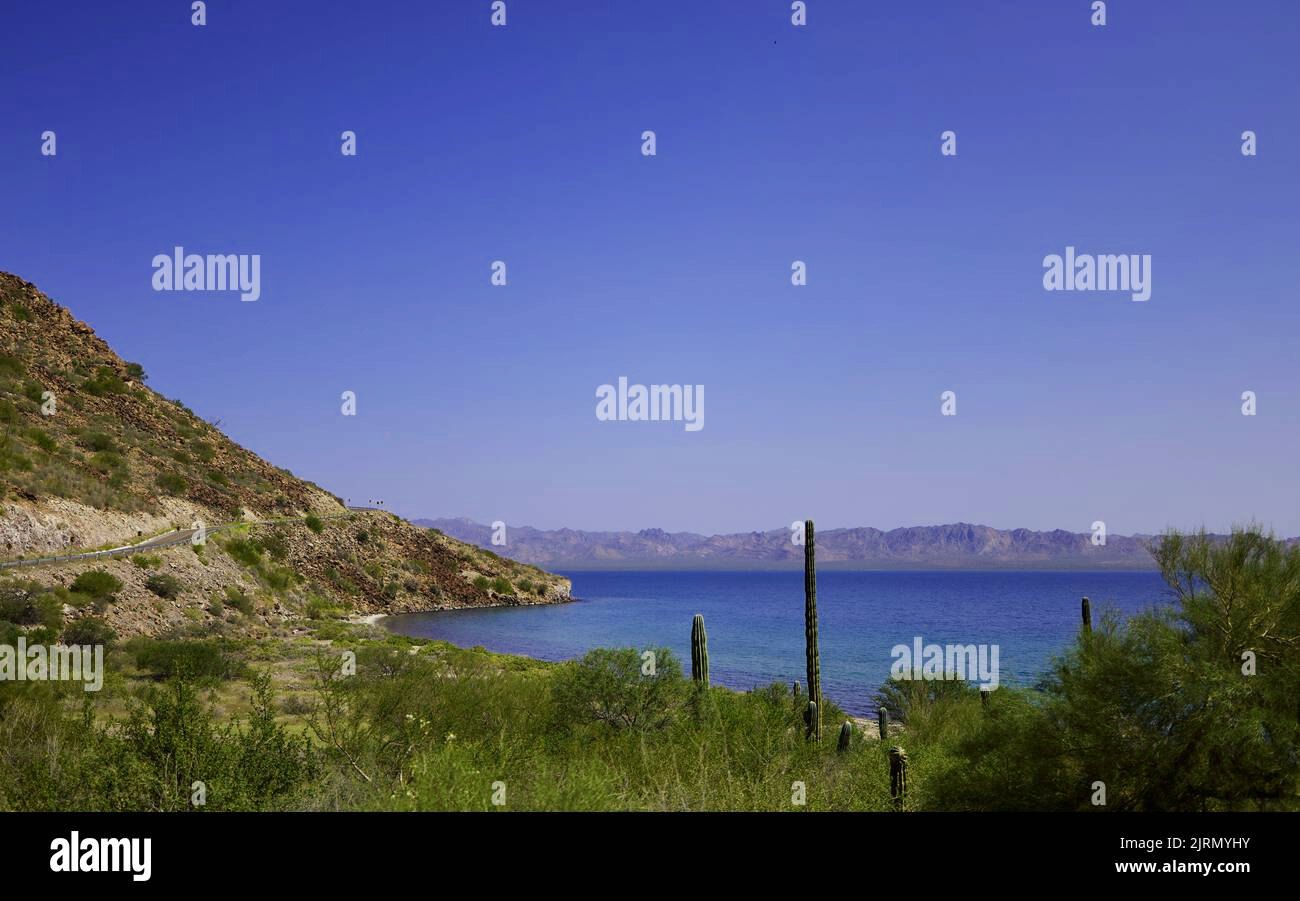
Daylight hours are only part of the story. Mexico is also widely remarked upon for the quality of its light—an attribute that becomes obvious when you pay attention to skies, color, and contrast. Writers describing Mexico’s scenery often point to sharp, crisp azure blue skies, especially in the central highlands, and to the subtle hues that shift across the day.
This “extraordinary light” is said to be especially noticeable in the mountain highlands, though it remains exceptional at lower elevations and along the coasts. The effect is not merely aesthetic; it shapes how places look and feel, from the clarity of distant horizons to the way colors appear in architecture, textiles, markets, and landscapes. Mexico is often described as one of the most colorful countries in the world, and the quality of light is presented as a contributing factor to that “sparkling tapestry of colors.”
Seasonal conditions also influence how light is experienced. During the rainy season, as groundwater swells and flora blossoms, the sensory environment is complemented by “sensational fragrances.” During the dry season, when the ground becomes parched, dust particles can rise high into the atmosphere and contribute to what are described as “magnificent sunsets.”
Mexico City offers a specific case study for how geography can shape light quality. Its elevation—over 2,200 meters above sea level—is associated with clearer, more intense sunlight due to thinner atmosphere. Even without turning the discussion into technical optics, the lived experience is familiar to many visitors: bright days, strong contrast, and skies that can look unusually crisp.
Drivers of Mexico’s Light
If you want to “read” Mexico’s light like a local (and plan around it), check these drivers:
1) Elevation: higher places (e.g., central highlands) often feel crisper and higher-contrast.
2) Humidity & cloud cover: rainy-season afternoons can turn light softer/diffused even when daylight hours stay long.
3) Airborne particles (dust/smoke/haze): can mute midday clarity but often amplify sunsets when the sun is low.
4) Time of day: early/late light tends to show texture and color; midday light can feel harsher and more contrasty.
Checkpoint: if your photos look “flat,” it’s usually cloud/haze; if they look “too harsh,” it’s usually midday sun at altitude.
Light Characteristics in Mountain Highlands
Mexico’s mountain highlands are repeatedly singled out as the place where the country’s light quality is most noticeable. The central highlands, in particular, are associated with those crisp, sharply defined azure blue skies that writers and travelers often describe when trying to capture what feels different about the atmosphere.
In practical terms, highland light tends to emphasize edges and textures: the contours of mountains, the geometry of colonial streetscapes, and the saturated colors of painted walls and local crafts. This is part of why Mexico is so often characterized as intensely colorful—the light doesn’t just illuminate color; it can make it appear more vivid and more dimensional.
The highlands also provide a stage for daily shifts in tone. Morning and late-afternoon light can bring out subtleties in hue, while midday brightness can make whites and bright pigments pop. For photographers and artists, these conditions can be especially compelling because they offer a wide palette of contrast and color without requiring extreme seasonal timing.
Even beyond visuals, the highlands’ seasonal cycles affect the sensory context in which light is experienced. In the rainy season, blooming flora and swelling groundwater are described as bringing notable fragrances—an atmospheric richness that pairs with the visual vibrancy of greener landscapes and changing skies.
Impact of Elevation on Light Quality
Elevation is one of the clearest explanations offered for why Mexico’s light can feel so distinctive. Mexico City, at over 2,200 meters above sea level, is a prominent example: thinner atmosphere at altitude is associated with more direct solar radiation and a sense of clarity and intensity in daylight.
This helps connect the idea of “extraordinary light” to a physical setting rather than pure romance. At higher elevations, the sky can appear deeper in color, and visibility can feel sharper—conditions that align with repeated descriptions of crisp blue skies in the central highlands.
Seasonal patterns add another layer. During drier periods, clearer conditions can amplify the crispness people notice. During the rainy season, increased humidity and cloud cover can soften and diffuse light, changing the mood of a scene without reducing the underlying daylight window between sunrise and sunset.
The dry season’s parched ground is also linked to dramatic sunsets: dust particles rising into the atmosphere are described as contributing to the composition of especially magnificent evening skies. This is less about the length of the day than about what happens to light as it passes through the atmosphere near sunset—when colors can intensify and the horizon can glow.
Together, elevation and seasonal atmosphere help explain why Mexico’s light is discussed not just as “bright,” but as characterful—capable of producing both crisp daytime clarity and memorable twilight color.
Health and Lifestyle Benefits of Abundant Daylight
Mexico’s relatively steady daylight profile is often framed as more than a convenience—it can be supportive of mood, general health, and overall well-being. The logic is straightforward: when each month and season offers “plenty of daylight every day,” daily routines can remain consistent, and the psychological strain associated with long winter nights can be reduced.
This is part of the appeal for people who choose to spend winters in Mexico. Alongside warm or temperate climates in many regions, the country’s daylight helps visitors avoid the “long nights” that define winter farther from the equator. Even on the shortest day of the year, locations in Mexico still register around 10 to more than 11 hours of daylight depending on latitude—enough to keep days feeling usable and active.
In Mexico City specifically, the daylight window remains close to eleven hours even at the winter solstice (10h 58m), and extends beyond twelve hours at the summer solstice (12h 18m). Over the full year, Mexico City’s daylight totals have been calculated at 4,432 hours and 22 minutes (for 2026), reflecting how consistently daylight accumulates month to month.
It’s also important to separate daylight from sunshine. Daylight is the time between sunrise and sunset; sunshine is the portion of that time when the sun is not obscured by clouds or haze. In Mexico City, average daily sunshine is higher in the drier months and lower during the rainy season, when cloud cover and afternoon storms can reduce direct sun. Even then, the daylight window remains, supporting outdoor planning and a sense of daytime continuity.
Daylight Benefits and Limitations
What abundant daylight does—and doesn’t—guarantee in real life:
– Helps: more usable hours for walking, errands, and outdoor plans (especially noticeable for winter visitors).
– Doesn’t guarantee: clear skies—rainy season cloud cover can cut sunshine even when daylight stays long.
– Can introduce: midday heat in many regions and stronger UV exposure at higher elevations (the same clarity that feels great can also feel intense).
– Varies by place: urban haze or seasonal smoke/dust can soften the “crisp” look on some days, while also making sunsets more dramatic.
For urban life, this consistency can shape how people use public spaces. Parks, markets, and street life benefit from evenings that remain bright for longer stretches of the year than many visitors expect—especially those arriving from higher latitudes in winter.
Cultural and Artistic Implications of Daylight
Mexico’s daylight and light quality are not just meteorological facts; they help shape how the country is perceived and represented. Mexico is often described as one of the most colorful countries in the world, and the quality of light is presented as a key ingredient in that reputation. When light is crisp and skies are intensely blue, colors in architecture, textiles, food markets, and landscapes can appear more saturated and more striking.
Writers describing Mexico’s scenery frequently remark on the sharpness of the sky—an “azure blue” especially noted in the central highlands—and on the subtle shifts in hue that occur across the day. Those observations matter because they point to a shared cultural experience: the environment itself becomes part of the aesthetic vocabulary through which Mexico is photographed, painted, written about, and remembered.
Seasonal changes also influence cultural atmosphere. During the rainy season, the dossier notes that exceptional light is complemented by “sensational fragrances” as groundwater swells and flora blossoms and blooms. That combination—visual vibrancy plus scent—can intensify how places feel, especially in gardens, countryside settings, and green urban spaces.
During the dry season, parched ground and dust particles rising into the atmosphere are linked to especially magnificent sunsets. Sunset is a daily event everywhere, but when evening skies become consistently dramatic, they can shape routines and rituals: people linger outdoors, plan viewpoints into their itineraries, and time walks or gatherings around the changing light.
In creative work, these conditions can be a quiet advantage. A country with abundant daylight and distinctive light quality offers more opportunities for natural-light photography and observation without the constraints imposed by very short winter days. The result is not a single “Mexico look,” but a wide range of visual moods—crisp highland mornings, diffused rainy-season afternoons, and dust-enhanced sunsets—that feed into the country’s cultural and artistic expression.
Recognizing Mexico’s Light and Color
A practical way to notice the “Mexico look” (without needing special gear):
– In highland cities, look for how painted walls and textiles hold saturated color even in shade.
– In rainy season, watch how afternoon clouds create a softbox effect—less contrast, more even tones.
– In dry season, pay attention near sunset: airborne dust can turn the sky into layered warm gradients.
The Impact of Mexico’s Daylight on Daily Life
Mexico’s daylight story is ultimately about how geography translates into lived experience. The country’s position relative to the equator delivers a year-round balance of night and day that many visitors notice quickly—especially those arriving from places where winter darkness is more severe. Add to that the widely remarked-upon quality of Mexico’s light, and the result is a daily environment that can feel both practical and uplifting: days remain usable across seasons, and the atmosphere often renders landscapes and cityscapes with unusual clarity and color.
The end of seasonal clock changes in 2022 reinforced this steadiness. With sunrise and sunset no longer “shifted” by policy twice a year, the rhythm of daylight aligns more directly with the natural cycle—something that matters in small ways (planning mornings and evenings) and in larger ways (how a place feels over time).
Plan Around Mexico’s Light
Quick planning checklist (useful for travel days, photos, and routines):
– Check whether you’re in north / central / south Mexico—your summer evening light can differ by hours.
– For winter trips, plan outdoor “must-dos” for late morning through late afternoon; you’ll still have a long day, but sunsets come earlier in the north.
– In rainy season, expect clearer mornings and cloudier afternoons in many regions; schedule viewpoints and long walks earlier.
– In high elevations (e.g., Mexico City/highlands), assume brighter, higher-contrast light—bring sun protection and consider shade breaks at midday.
– If sunsets are a priority, scout a spot with a wide horizon; dry-season haze/dust can make the color show stronger.
Enhancing Outdoor Activities
Abundant daylight expands the practical window for outdoor life. Even on the shortest day, Mexico’s daylight totals remain substantial—over 10 hours in the north and over 11 hours in the far south—supporting daytime travel, walking, and outdoor leisure without the pressure of an early winter nightfall.
On the longest day, daylight stretches further, reaching over 14 hours in northern locations like Tijuana. That extended evening light can make summer feel expansive: more time for beaches, town plazas, hikes, and long travel days that don’t end in darkness.
Influence on Local Culture and Traditions
Mexico’s light quality—especially the crisp skies and vivid color often noted in the highlands—helps shape how places are seen and portrayed. The country’s reputation for color is not only about design and tradition; it is also about illumination. Seasonal shifts add sensory layers: rainy-season bloom and fragrance, and dry-season dust that can intensify sunsets.
These recurring conditions influence how people and visitors experience public spaces and landscapes, and they feed into the visual culture that surrounds travel, photography, and storytelling about Mexico.
Health Benefits of Abundant Daylight
Mexico’s equitable balance of day and night across the year is described as supportive to mood, general health, and overall well-being. For people escaping darker winters elsewhere, the combination of temperate climates and steady daylight can reduce the feeling of “long nights” and make daily routines easier to maintain.
Even where actual sunshine varies—such as Mexico City’s cloudier rainy-season months—the underlying daylight window remains, preserving a consistent structure to the day that many people find beneficial.

Martin Weidemann is a digital transformation expert and entrepreneur with over 20 years of experience leading fintech and innovation projects. As a LinkedIn Top Voice in Digital Transformation and contributor to outlets like Forbes, he now brings that same expertise to travel and mobility in Mexico City through Mexico-City-Private-Driver.com. His focus: trustworthy service, local insights, and peace of mind for travelers.