Table of Contents
- 1. Experience ancient healing through Temazcal rituals
- 2. Understanding the Temazcal Ritual
- 3. Historical Significance of the Temazcal
- 4. The Structure of a Temazcal
- 5. The Role of the Temazcalero
- 6. Ceremony Process and Participant Experience
- 6.1 Preparation for the Ceremony
- 6.2 Entering the Temazcal
- 6.3 Heating the Volcanic Stones
- 6.4 Guided Ritual Activities
- 6.5 Cooling Down After the Ceremony
- 7. Herbs and Their Medicinal Properties
- 8. Health Benefits of Participating in a Temazcal
- 8.1 Physical Benefits
Experience ancient healing through Temazcal rituals
Temazcal Ceremony Overview
A temazcal is a traditional Mesoamerican sweat lodge ceremony you’ll most often encounter in Mexico’s central and southern highlands, Chiapas, and the Yucatán—sometimes at spas and boutique hotels, and sometimes in community settings guided by local practitioners (availability varies by region and venue). It’s more than “a steam bath”: the heat and herbal steam are paired with ceremony, symbolism, and a guide-led rhythm that many people experience as both cleansing and reflective.
- A temazcal—from the Náhuatl temāzcalli, “house of vapor/heat”—is a traditional Mesoamerican sweat lodge ceremony, not just a steam bath.
- The dome is often treated as a symbolic womb: participants enter for a ritual of purification, reflection, and “rebirth.”
- A temazcalero/a leads the ceremony, bringing in heated volcanic stones (“abuelitos”) and creating herbal steam with water infusions.
- Experiences range from rustic community lodges to spa-built domes; the most traditional ceremonies are typically guided off-site by local practitioners.
Understanding the Temazcal Ritual
Four Elements of Temazcal
A helpful way to understand a temazcal is as four elements working together:
– Heat (the sweat-lodge environment)
– Herbs (aromatic steam infusions)
– Ceremony (songs/prayers/rounds led by a guide)
– Intention (personal reflection, gratitude, or a focus you bring in)
If you remove the last two, you’re closer to a regular steam room; when all four are present, it becomes a temazcal.
A temazcal is an ancient steam-bath ritual practiced across Mesoamerica and still alive in Mexico today. While it shares the basic physiology of a sauna—heat, steam, sweating—it is structured as a guided ceremony that blends medicinal plants, prayer or song, and a communal rhythm designed to support purification and well-being.
It can also be an intentional pause for introspection, gratitude, and emotional release, led by a guide who shapes the tone and pace.
Historical Significance of the Temazcal
Temazcal: Tradition and Well-Being
Publicly available travel and cultural references (including Mexperience’s overview of the practice) consistently describe temazcales as:
– Used historically for cleansing and recovery after battles or sporting events
– Associated with healing, well-being, and childbirth
– Still practiced as a living tradition in parts of Mexico—especially the central/southern highlands, Chiapas, and the Yucatán
Long before temazcales appeared on wellness menus, they served practical and ceremonial roles in Indigenous life. Historical accounts describe their use for cleansing and recovery after battles or sporting events, for healing and general well-being, and in contexts related to childbirth.
The practice persists across regions—especially Mexico’s central and southern highlands, Chiapas, and the Yucatán—where communities and trained guides continue to transmit the ritual as a living tradition rather than a reenactment.
The Structure of a Temazcal
| Feature | Rustic / community lodge | Spa-built / hotel-installed dome |
|---|---|---|
| Common materials | Earth floor, bamboo/wood framing, blankets or simple coverings | Stone or finished masonry; “spa-finished” surfaces |
| Seating | Ground or simple ledge around the perimeter | Built-in ledges/benches around the perimeter |
| Steam source | Heated volcanic stones brought in from an outdoor fire | Stones and/or steam piped in (varies by property) |
| Typical capacity | Small circle to larger groups depending on size | Often smaller, curated groups; varies by dome size |
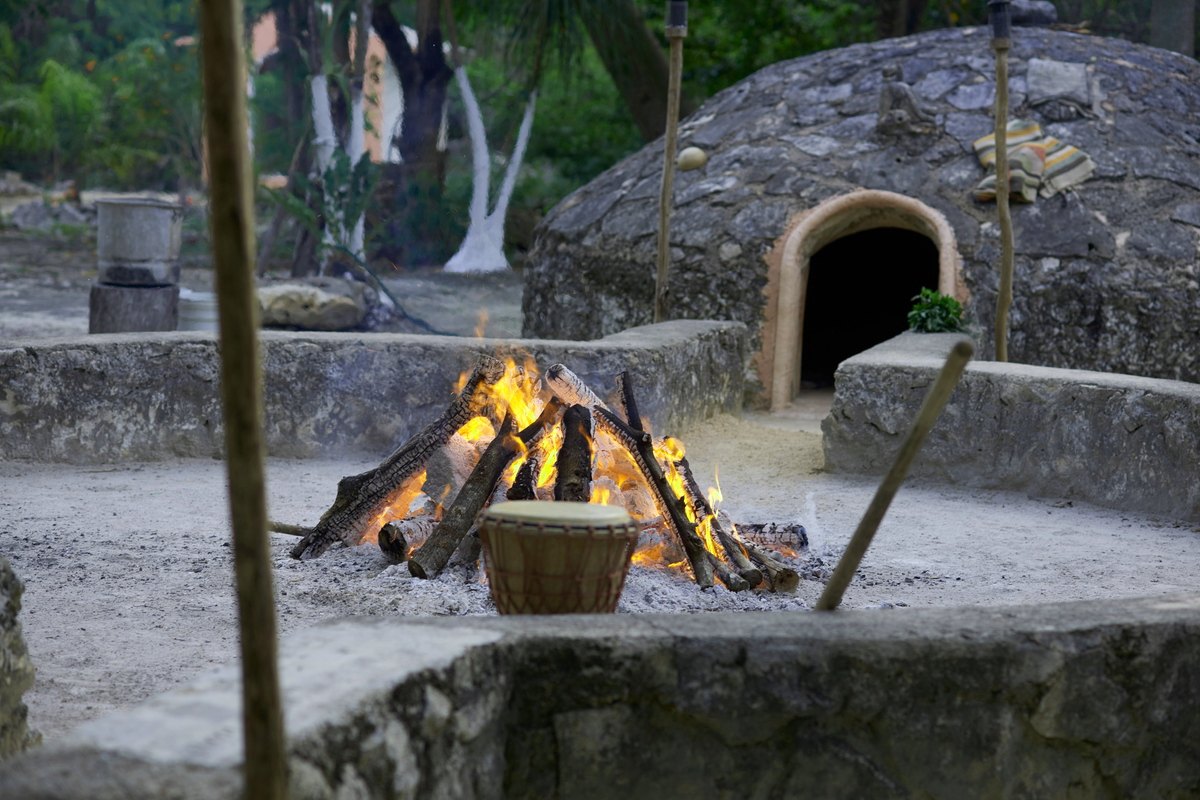
Most temazcales are low, dome-shaped structures built to retain heat and humidity. Sizes vary: some hold a small circle of participants; others accommodate a couple dozen or more. Inside, seating typically runs around the perimeter—sometimes a stone or wooden ledge, sometimes the ground in more rustic settings.
The build can signal the setting. At high-end properties, a stone dome may be “spa-finished,” and some even pipe in steam. Traditional ceremonies more often rely on an outdoor fire to heat volcanic stones that are carried into the center of the lodge, where water and herbs are poured over them to generate intense, aromatic steam.
The Role of the Temazcalero
Guiding Safety and Intensity
What the temazcalero/a typically handles (and why it matters):
– Before: explains the flow, checks comfort levels, and sets expectations for heat, darkness, and how to exit if needed.
– During: manages the stones, steam rounds, and pace (how intense it gets and when), and reads the group’s energy and safety.
– If someone struggles: pauses or adjusts intensity, opens the entrance if appropriate, and coordinates a calm, quick exit.
– After: guides the cool-down rhythm (rest, water, optional cold rinse) so people don’t rush straight from peak heat into activity.
Because each guide’s style and tradition differ, two temazcales can feel completely different even in similar domes.
The temazcalero (or temazcalera) is the ceremony’s anchor: part facilitator, part guardian of tradition, and the person responsible for pacing, safety, and the ritual sequence. Their style matters—each ceremony can feel different depending on the guide’s lineage, language, songs, and approach to participation.
A key moment is the arrival of the heated stones, often affectionately called abuelitos (“grandparents”), reflecting a cultural emphasis on ancestral wisdom. Once the stones are placed, the entrance is sealed and the guide begins the steam cycles—water mixed with herbs poured onto the stones—while leading chants, prayers, or meditative prompts.
Ceremony Process and Participant Experience
Sweat Lodge Experience Overview
What to expect, step by step:
– Arrival & briefing: you’ll hear the basic rules (hydration, signals to exit, what the “rounds” will feel like).
– Enter low & settle in: you crouch/crawl in, then sit around the perimeter—often close together.
– Stones come in: heated volcanic stones are carried into the center.
– Steam rounds begin: herb-infused water hits the stones; heat and humidity rise in waves.
– Guided ceremony: songs/prayers/drumming or quiet prompts; sometimes sharing intentions.
– Intensity check: you can usually ask for a pause, cooler air near the entrance, or to step out.
– Exit & cool down: fresh air, water, rest; optional cold shower/cold water pour.
– Aftercare: rehydrate and take it easy—many people feel pleasantly “wrung out.”
Preparation for the Ceremony
Most guides encourage participants to arrive hydrated and light: drink water in the hours beforehand, avoid heavy meals, and skip alcohol. Clothing is typically minimal and practical—light swimwear, a sarong, or a thin cover-up—because the goal is to let the steam contact the skin. Sandals are useful; shoes are not worn inside.
If you have a medical condition that could be aggravated by heat or herbal steam, participants are commonly advised to speak with the guide before entering so expectations and options are clear. Guides typically brief the group on what to do if anyone needs to step out quickly, and will assist participants who begin to feel unwell.
Entering the Temazcal
The entrance is usually low, requiring a crouch or crawl—an intentional physical gesture that echoes the ceremony’s symbolism of returning to the womb. Inside, participants sit close together around the perimeter. Light is limited; some ceremonies unfold in near darkness, heightening the sensory focus on breath, sound, and heat.
Heating the Volcanic Stones
Outside, stones are heated in a fire until they radiate intense heat. The guide carries them in and places them at the center. When the door is sealed, the lodge quickly becomes a contained environment where temperature and humidity rise in waves.
Guided Ritual Activities
The temazcalero/a typically leads a sequence of steam “rounds,” pouring herb-infused water onto the stones to release vapor and fragrance. Songs, prayers, drumming, or spoken reflections may accompany the heat. Some ceremonies invite participants to share intentions or speak briefly; others emphasize silence and inward attention.
Experiences vary widely. For some, it’s an invigorating, communal sweat. For others, the combination of heat, darkness, and ritual cadence can unlock emotion—stress, grief, gratitude—surfacing as a kind of catharsis.
Cooling Down After the Ceremony
Exiting can feel like stepping into a different world: cooler air, brighter light, and a sudden sense of space. Many traditions include a cold shower or cold water poured over the body—an optional “shock” that participants often describe as energizing after intense heat. In some regions, cooling down may include a swim in natural water, such as a cenote, when available.
Herbs and Their Medicinal Properties
| Herb/resin (common examples) | What you may notice in the steam | Typical traditional use in ceremonies (varies by guide/region) |
|---|---|---|
| Artemisa (mugwort) | Earthy, herbal aroma | Cleansing/purification associations; grounding scent |
| Eucalyptus | Sharp, cooling scent | Often used for a “clearer breathing” feeling |
| Calendula | Mild, floral/herbal | Gentle, soothing associations |
| Echinacea | Herbal, slightly sweet | Often included in “wellness” infusions |
| Copal resin | Piney, resinous fragrance | Ritual purification scent; aromatic focus |
| Aloe | Cool, slick gel (usually after) | Refreshing skin feel after heat |
Herbs are central to the temazcal’s sensory and therapeutic identity. Common plants used in Mexico include artemisa (mugwort), eucalyptus, calendula, and echinacea. The steam carries their aromas through the lodge, and participants often associate the infusion with clearer breathing and a feeling of cleansing.
Some ceremonies also use copal resin—placed on hot stones to release a distinctive, piney fragrance long associated with ritual purification. Aloe may be offered afterward to soothe or refresh the skin.
Health Benefits of Participating in a Temazcal
Benefits and Limits to Expect
What people commonly report—and how to think about it:
– Often felt quickly: deep relaxation, a “reset” feeling, looser muscles, and clearer sinuses—effects that can align with heat/steam exposure.
– Highly individual: emotional release and spiritual connection can be powerful for some and minimal for others.
– Not guaranteed: “detox” is often used as a shorthand for sweating and feeling cleansed; the most reliable, immediate mechanism is heat + steam + hydration changes, not a measurable purge of specific toxins.
– Limits matter: if you’re already dehydrated, hungover, or heat-sensitive, the same intensity that feels cleansing to one person can feel overwhelming to another.
Physical Benefits
Participants frequently report benefits consistent with intense steam bathing:
- Cleansing and skin effects: heavy sweating can help clear pores and leave skin feeling refreshed.
- Respiratory relief: warm, herb-infused steam may ease congestion and support easier breathing for some people.
- Circulation and muscle relaxation: heat can promote blood flow and loosen tight muscles, which some associate with relief from aches and soreness.
- Post-heat cold rinse effects: the cold-water finish is traditionally believed to invigorate the body and support resilience.
Mental and Emotional Benefits
Beyond the physical, the temazcal is designed as a mental reset:
- Stress reduction: the guided structure, rhythmic sound, and enforced pause from daily stimuli can feel deeply calming.
- Emotional release and reflection: the intensity of the environment—heat, darkness, proximity—can prompt introspection and, for some, a sense of letting go.
- Better rest afterward: many participants describe improved sleep following the ceremony.
Safety Considerations for Participants
Sauna Session Safety Steps
A simple safety plan most participants can follow:
– Before: hydrate in the hours leading up; avoid alcohol; eat lightly.
– On arrival: tell the guide about any heat sensitivity or conditions that could be aggravated by steam.
– Inside: choose a spot where you can access the entrance more easily if you’re unsure; breathe slowly.
– Know the exit signals: ask how to step out quickly before it gets intense.
– Leave early if needed: dizziness, nausea, confusion, chest discomfort, or trouble breathing are reasons to exit promptly.
– After: rehydrate and rest; don’t plan a hard workout immediately afterward.
A temazcal can be intense: high heat, high humidity, and prolonged sweating increase the risk of dehydration and lightheadedness. The enclosed space can also feel psychologically challenging for those uncomfortable with tight quarters or darkness.
Key safety principles are simple: hydrate, avoid alcohol, listen to your body, and follow the guide’s instructions. If you feel unwell—dizziness, nausea, difficulty breathing, chest discomfort—signal the guide and exit promptly. Reputable temazcaleros brief participants on how to leave safely and will prioritize wellbeing over completing a “round.”
Tips for an Enjoyable Temazcal Experience
Sauna Prep and Comfort Tips
Quick tips that make a big difference:
– Hydrate early: start hours before, not minutes before.
– Eat light: think “snack,” not “feast.”
– Wear minimal, breathable clothing: swimwear/sarong; remove jewelry and anything metal.
– Bring: water for after, a towel, sandals, and a dry change of clothes.
– Pick your spot wisely: if you’re nervous, sit nearer the entrance for cooler air and easier exits.
– Use your breath: slow inhales/exhales help when the heat spikes.
– Speak up early: asking for a pause is easier than waiting until you feel panicky.
– Take the cool-down slowly: rest first, then decide on the cold rinse.
- Arrive open-minded: it’s not a standard spa steam room; ritual elements may be unfamiliar, and that’s part of the experience.
- Dress light and practical: swimwear or a breathable wrap; remove jewelry and anything metal that can heat up.
- Hydrate early, eat lightly: water beforehand helps; a heavy meal can make the heat uncomfortable.
- Regulate your breathing: slow, steady breaths can reduce panic if the intensity spikes.
- Communicate clearly: if you need a break or need to leave, say so—guides expect it and will help.
- Consider the cold rinse: if you’re healthy enough, the cool-down can be the most memorable contrast of the ritual.
Cultural and Spiritual Aspects of the Temazcal
Cultural Meanings and Cues
A few cultural cues you’ll often hear (and what they generally mean):
– “Womb” symbolism: the dome represents a return inward; exiting is framed as renewal.
– Abuelitos (stones): a respectful nickname for the heated stones, tied to honoring ancestors and wisdom.
– Copal: a traditional aromatic resin used in many Mesoamerican rituals; in temazcal it often marks purification and intention.
Approaching these elements with curiosity—and following the guide’s lead on participation—tends to create the most respectful, meaningful experience.
At its heart, the temazcal is a symbolic journey. The dome is often understood as the womb of Mother Earth; entering is a return inward, and leaving is a form of rebirth. The stones—abuelitos—carry ancestral meaning, while copal, song, and prayer connect the ceremony to older Mesoamerican cosmologies.
That spiritual layer is optional in how it lands: some participants experience it primarily as a powerful steam bath; others find a deeper sense of connection—to community, to nature, to personal intention. Either way, the temazcal remains a rare travel experience that is both bodily immediate and culturally specific.
Embracing the Temazcal Experience: A Journey of Wellness and Reflection
Understanding the Ritual’s Significance
A temazcal is best understood as a fusion: heat therapy plus ceremony, wellness plus tradition. Its enduring power comes from that combination—physical purification paired with a guided narrative of renewal.
Preparing for Your Temazcal Journey
Navigating the Ceremony: What to Expect
Expect darkness, close seating, waves of heat, and herbal steam. Expect guidance—songs, prayers, or meditative prompts—and a pace set by the temazcalero/a. Most importantly, expect variability: no two ceremonies feel exactly the same.
Post-Ceremony Reflections and Benefits
Many people leave feeling lighter—physically from sweating, mentally from stillness, emotionally from release. The calm afterward can be as significant as the intensity inside, especially if you give yourself time to rest and rehydrate.
Safety First: Guidelines for a Positive Experience
The most meaningful temazcal experiences are the ones where participants feel supported, not tested—where tradition and care move together in the heat.
This guide is written from the perspective of Martin Weidemann, with a focus on practical, trustworthy travel context in Mexico—highlighting what the ceremony is, how it’s commonly led, and how to approach it with preparation and respect for local tradition.
Ceremony length, heat intensity, and the herbs used can vary widely by region, venue, and the temazcalero/a leading the ritual. This article reflects publicly available information at the time of writing and common traveler-reported patterns, but local practices and safety protocols may differ. If anything is unclear on arrival, ask the guide what to expect and how to step out if needed.

Martin Weidemann is a digital transformation expert and entrepreneur with over 20 years of experience leading fintech and innovation projects. As a LinkedIn Top Voice in Digital Transformation and contributor to outlets like Forbes, he now brings that same expertise to travel and mobility in Mexico City through Mexico-City-Private-Driver.com. His focus: trustworthy service, local insights, and peace of mind for travelers.