Custom tours enhance cultural experiences in Yucatán
- Custom itineraries blend Maya archaeology, colonial towns, cenotes, coastline time, and regional food in a balanced, unrushed pace.
- Tours can start and/or end in Mérida (MID), Chetumal (CTM), or Cancún (CUN), with logistics arranged to reduce friction.
- Travelers can choose independent self-drive (recommended for Yucatán) or add a vehicle-and-driver option for an extra fee.
- Core plans are built around five or ten days, with add-on days and side activities tailored to schedule, budget, and interests.
Cultural Heritage of the Yucatán Region
Mexico’s Yucatán peninsula offers one of the country’s most culturally rewarding journeys because its story is layered rather than linear. Long before modern highways linked the region’s cities and coasts, this was the heartland of the ancient Maya—an enduring presence that still shapes place names, foodways, and the meaning attached to landscapes like cenotes.
The colonial era added a different imprint. Yucatán became a prosperous center of trade and commerce, renowned for the production of sisal fibers used for ropemaking. That economic boom left behind a built environment of grand homes, civic buildings, and the infrastructure of haciendas—reminders of a period when global demand for fiber reshaped local life.
In the early twentieth century, the sisal hacienda economy declined. Yet the region modernized without shedding its older identities. Today, Yucatán is described as prosperous, thriving, and culturally rich—an area where visitors can move between monumental archaeology, living cities, and small communities without feeling that the past has been packaged and sealed off.
This is where custom travel becomes more than a convenience. A thoughtfully crafted itinerary can create space to absorb nuance: a morning among pre-Hispanic remains, an afternoon in a colonial center, and an evening in a market or plaza—experiences that make the region feel coherent rather than a checklist of attractions.
Clave: The peninsula’s appeal comes from contrast—Maya roots, colonial-era prosperity tied to sisal, and a modern cultural scene that still feels anchored in place.
Custom-Made Tours: An Overview
Custom-made tours in Yucatán are designed to help travelers get the most from a region that rewards time and context. Instead of rushing between headline sites, the approach emphasizes a carefully planned, thoughtfully crafted itinerary that blends archaeology, towns, nature, and food—while keeping the day-to-day practicalities manageable.
A key promise is that transportation, accommodation, and assistance services are arranged as part of the package so that travelers can focus on the experience rather than the logistics. That matters in a region where a single trip might include a colonial city, a protected mangrove area, a cenote swim, and a long drive toward the jungle around Calakmul.
The tours are also built around the reality that different travelers want different levels of structure. Some prefer the independence of driving themselves—an option specifically recommended for Yucatán—while others want the ease of being met at the airport and chauffeured throughout. The custom model accommodates both, and it can be adapted for families and mixed-age groups with attention to heat, pace, and physical demands.
At the center is flexibility without losing balance. Core itineraries are offered as five- or ten-day plans, with options to extend. Whether the focus is Valladolid and Ek Balam, Mérida’s architecture and gastronomy, the Gulf coast near Progreso, or the lagoon at Bacalar, the guiding idea is to build a route that feels immersive and not rushed.
Types of Tours Available
The tour model described for Yucatán is anchored in two main ways of traveling: independent self-drive and a supported option that includes a vehicle and driver for an additional fee. The self-drive format is presented as the recommended approach for the region, paired with a detailed information packet tailored to the day-by-day itinerary—essentially a guide designed around your route rather than a generic handbook.
For travelers who prefer not to drive, the vehicle-and-driver option changes the rhythm of the trip. Instead of collecting a rental car at arrival, you are met personally at the airport and chauffeured transport is provided through the journey, with return to the airport of your choice at the end. This can be particularly appealing for parties that want to focus on conversation, photography, or simply watching the landscape shift from city to coast to jungle.
Within those travel modes, the “types” of tours are shaped by emphasis rather than a fixed template. Itineraries can prioritize archaeological exploration (for example, Chichén Itzá, Uxmal, Ek Balam, Edzná, and the Calakmul region from Xpujil), colonial towns and cities (Valladolid, Mérida, Campeche, Izamal), nature and water (cenotes, mangroves at El Corchito, the Bacalar lagoon), or food-focused experiences such as cooking classes and full-day gastronomic tours centered on Yucatecan cuisine.
The result is not one tour but a set of building blocks that can be combined into a coherent route, with optional side trips added when extra days are available.
Key Features of Custom Tours
The defining feature is that every itinerary is custom designed around the needs of the party—schedule, budget, interests, and the composition of the group. That customization is not only about where you go, but how you move and how fast you go. The planning explicitly considers practical matters like heat and travel conditions, age considerations, and the physical ability required for certain activities, so travelers can make informed choices.
Logistics are treated as part of the experience rather than an afterthought. The package arranges transportation, accommodation, and assistance services, aiming to keep time focused on “absorbing the experience.” For self-drive travelers, a suitable-sized rental car is waiting at the arrival airport; for those choosing a driver, airport meet-and-greet and chauffeured transport are included.
Accommodation is also a customizable feature: eco-cabins, small guesthouses, boutique hotels, and selected resorts can be mixed to match the character of each place. Many travelers choose a blend—an eco-cabin near nature, a comfortable hotel in urban locations, and perhaps a more sumptuous property for a night or two as an experience in its own right.
Food and hydration are addressed in practical terms. Purified drinking water is provided during activities and transfers. Breakfast is included at most accommodation, and some meals may be included on certain day tours, while other meals are left open for local restaurants and markets—creating room for spontaneity without sacrificing structure.
Exploring Mayan Archaeological Sites
A custom tour of Yucatán is, at its core, an invitation to step into the landscapes of the ancient Maya—without treating them as isolated ruins. The peninsula’s archaeological sites are woven into routes that also include colonial towns, cenotes, and modern cities, allowing travelers to see how history sits alongside contemporary life.
Several itineraries place major sites within a broader day of experiences. A visit to Chichén Itzá—described as one of the most important Mayan archaeological sites in the world—can be paired with time in Mérida and a cenote swim at Yokdzonot, which is considered sacred in Mayan tradition and has been transformed into an eco-tourism project by women from a nearby rural community. That pairing matters: it links monumental architecture to living community initiatives and to the cultural meaning of water.
Other routes emphasize variety in scale and setting. Ek Balam is highlighted for the chance to climb to the top of the acropolis, followed by a refreshing swim in a natural water cenote. Uxmal is positioned as an in-depth visit, and from Campeche travelers can add Edzná, then continue toward Xpujil as a gateway to the Calakmul Biosphere Reserve—one of Mexico’s most important ecological areas.
The point of a custom itinerary is not simply to “see more,” but to sequence sites in a way that feels legible: a day that balances walking in the heat with time to cool down, a long drive offset by a quieter evening in a small town, and enough breathing room to absorb what you’ve seen.
Significant Sites to Visit
The region’s headline sites appear alongside lesser-visited stops, creating a route that can be scaled to five days or expanded to ten and beyond.
Chichén Itzá is a central anchor for many travelers, positioned as one of the most important Mayan archaeological sites in the world. It can be integrated into a Mérida-focused segment, with time to cool down afterward at a cenote such as Yokdzonot.
Ek Balam is another standout, paired with Valladolid. The itinerary notes the ability to climb to the top of the acropolis—an experience that changes how visitors perceive the site’s scale and its relationship to the surrounding forest. Afterward, travelers can swim in a cenote, turning a history-focused day into a sensory one.
Uxmal is described as an impressive site suited to an in-depth visit, and it often appears in routes that continue onward to Campeche. From there, Edzná is presented as a worthwhile excursion, and the journey can push farther into the interior toward Xpujil, a small town that serves as a base for exploring the Calakmul region.
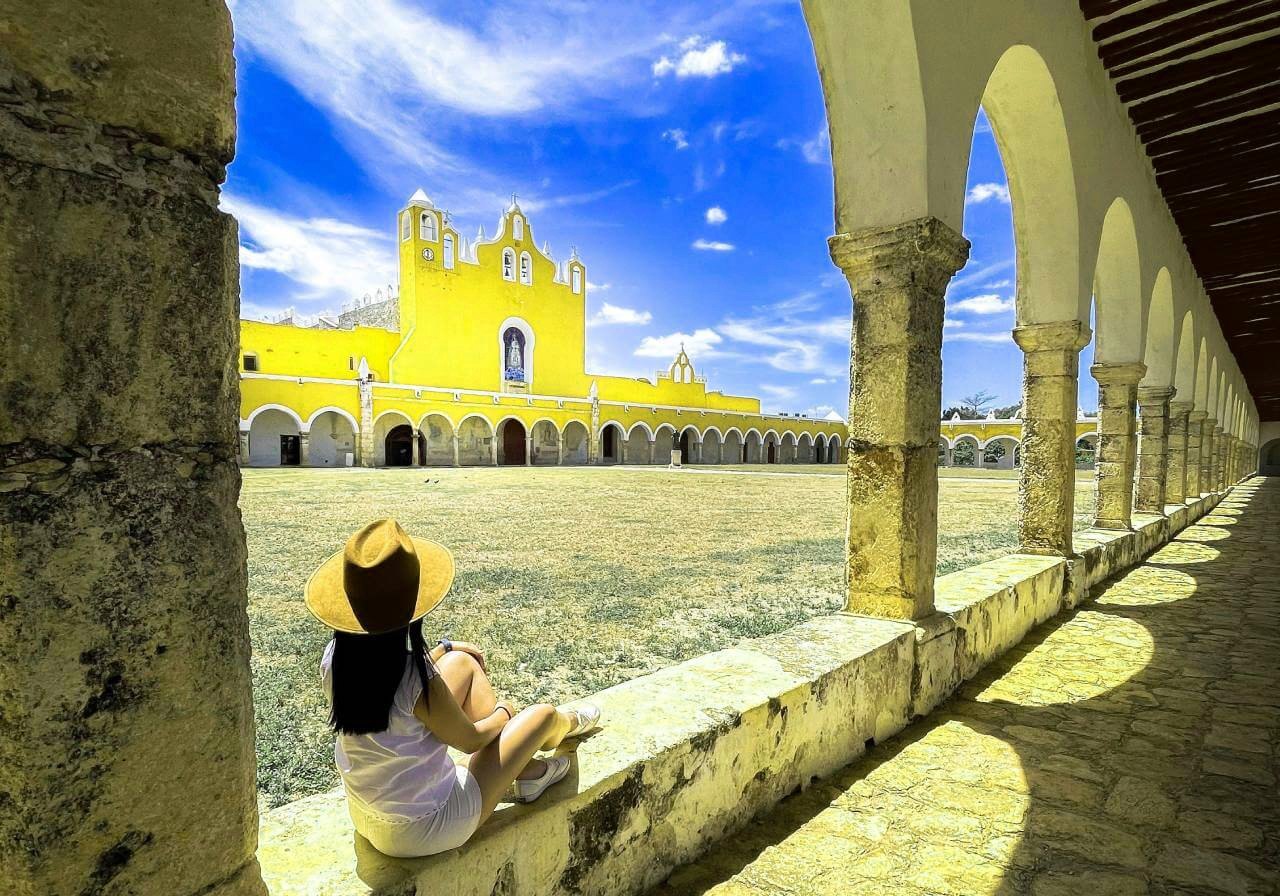
Izamal adds a different dimension: the town itself—known as “the Yellow City”—is paired with the adjacent Kinich Kakmó archaeological site, offering a compact way to combine pre-Hispanic remains, colonial buildings, and modern houses in one place.
Nota: The itinerary focus areas named include Valladolid, Mérida, Progreso, Xpujil, Bacalar, and Campeche—useful hubs for linking sites without constant hotel changes.
Cultural Significance of the Sites
The archaeological sites of Yucatán are not presented as static monuments but as entry points into Maya civilization and its continuing resonance. The peninsula is described as once being the heart of the ancient Maya, and that framing shapes how the sites are approached: not as isolated “ruins,” but as places embedded in a region with deep cultural roots.
Cultural significance also emerges through the way sites are paired with living traditions and landscapes. Cenotes, for example, are repeatedly linked to Maya belief and practice. Yokdzonot is described as sacred in Mayan tradition, and the broader narrative emphasizes cenotes as underground lakes that offer both refreshment and cultural meaning. When a day moves from Chichén Itzá to a cenote swim, it connects architecture and cosmology to the practical and spiritual importance of water.
Similarly, the inclusion of an ancestral agricultural tour—learning how corn, beans, and squash are grown using techniques passed down through generations—adds context to what travelers see carved in stone. It suggests continuity: the Maya past is not only visible in temples and acropolises, but also in everyday practices that persist in rural communities.
Even the “city of three cultures” concept in Izamal—pre-Hispanic remains, colonial buildings, and modern houses—offers a shorthand for cultural layering. In a custom itinerary, that layering becomes the story: the Maya world, the colonial era, and contemporary Yucatán are experienced as connected chapters rather than separate excursions.
Colonial Towns and Their Charm
Colonial towns in Yucatán are more than picturesque backdrops; they are living centers where architecture, markets, plazas, and food create a daily rhythm that contrasts with the stillness of archaeological zones. A thoughtfully crafted tour uses these towns as anchors—places to slow down, walk, eat well, and absorb the region’s layered history.
Valladolid is highlighted as a colorful and historical colonial city, often paired with nearby Ek Balam and a cenote swim. It works particularly well in an itinerary because it offers a compact historic center that can be explored on foot, making it a natural counterbalance to a morning of climbing and heat at an archaeological site.
Mérida, the capital of Yucatán state, is presented as a cultural heavyweight: outstanding colonial architecture, a lively cultural scene, and remarkable gastronomy. A full day in the city can include major landmarks such as the Plaza Grande, Government Palace, Casa de Montejo, and the cathedral, alongside markets, museums, and a café stop. The day can end at Santa Lucia park with dinner and live music al fresco—an example of how a city’s public spaces become part of the travel experience.
Campeche adds a coastal colonial dimension. Its historical center is described as pristinely kept and UNESCO-listed, with seafront walks, museums, and the San Miguel fort, plus a reputation for delicious seafood. In a route that includes Uxmal and Edzná, Campeche can feel like a hinge between inland archaeology and Gulf coast atmosphere.
Izamal—“the Yellow City”—is singled out for its visual identity and its ability to combine pre-Hispanic remains, colonial buildings, and modern houses in one place. In custom travel, that combination is the point: towns are not just stops between attractions; they are where the region’s past and present meet at street level.
Natural Wonders: Cenotes and Their Importance
Cenotes are among Yucatán’s most distinctive natural attractions, and in custom itineraries they serve both practical and cultural roles. Practically, they are a way to cool down after walking through archaeological sites or cycling in the heat. Culturally, they are repeatedly framed as places of meaning—underground lakes tied to Maya tradition and community life.
The itineraries emphasize cenotes as part of a balanced day. After visiting Ek Balam and climbing the acropolis, travelers can take a refreshing swim in a natural water cenote. In another sequence, a stop at Chichén Itzá can be followed by a swim at Yokdzonot, described as sacred in Mayan tradition. That same cenote is also presented as an eco-tourism project transformed by women from a nearby rural community—an example of how natural sites can be linked to local initiative and stewardship.
For more active travelers, the “Mayab Adventure” itinerary includes early morning swimming at cenotes and a 4 km (2.5 mile) bike ride to a remote and beautifully preserved cenote off the beaten path. The emphasis here is not only on the swim, but on the journey—turning a cenote visit into a small expedition that changes the sense of distance and landscape.
Cenotes also appear as optional upgrades, including VIP cenote experiences around Mérida. This suggests a spectrum: from accessible community cenotes to more curated visits, depending on budget and preference.
Clave: Cenotes are positioned as both refreshment and heritage—places to swim, but also places considered sacred in Maya tradition and connected to community-led eco-tourism.
data_viz: A useful chart would map a sample 10-day route and mark “cool-down points” (cenotes, lagoon, coast) against “high-heat walking points” (archaeological sites, city walking days) to show how the itinerary stays balanced.
Local Cuisine: A Culinary Journey
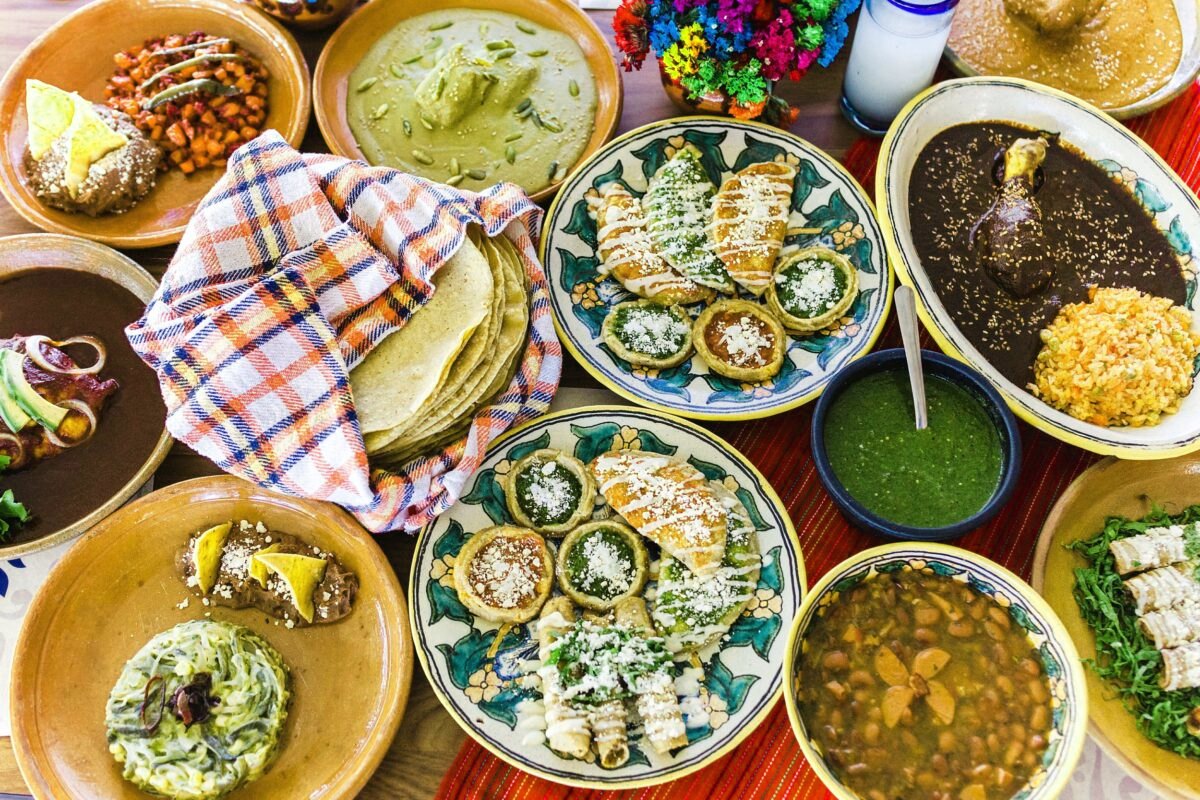
Food in Yucatán is treated as a central part of cultural exploration rather than an add-on between excursions. The itineraries build in time to explore regional dishes—specifically naming cochinita pibil, panuchos, and local seafood—while leaving many meals open so travelers can choose markets, beach spots, and neighborhood restaurants.
Mérida is singled out for “remarkable gastronomy,” and the city day described in the itinerary naturally lends itself to eating well: markets for snacks and ingredients, cafés for a break from the heat, and an evening meal at Santa Lucia park with live music al fresco. This is not framed as fine dining versus street food, but as a range of everyday experiences that reveal how the city lives.
On the coast, cuisine becomes part of the atmosphere. A day that includes a boat trip to Columpios island and a visit to El Corchito ends with a stroll along the boardwalk in Progreso and a traditional evening meal at a local restaurant before returning to Mérida. The sequencing matters: salt air, mangroves, and then seafood creates a sensory narrative that’s hard to replicate with a generic tour schedule.
For travelers who want deeper engagement, optional side trips include cooking classes and Mayan cooking workshops around Valladolid, as well as full-day gastronomic tours focused on Yucatecan food around Mérida. Honey tasting and a coconut eco-tour are also listed as add-ons, suggesting a broader culinary lens that includes local products and food ecosystems, not only dishes.
Dietary needs are addressed in practical terms: vegetarian options and special diets can be catered for locally, though the plan implies that choices may vary by location. Drinks are handled clearly: purified water is provided during activities and transfers, while soft drinks and alcoholic beverages are generally at the traveler’s expense unless specifically included.
Travel Logistics: Starting Points and Packages
One of the clearest advantages of a custom tour is that it reduces the friction that can quietly erode a trip: airport arrivals, car pickup, hotel check-ins, and the daily question of “what now?” In this model, the tour package is designed so your time is spent absorbing the experience rather than worrying about travel logistics.
Tours can begin and/or end in three main gateways: Mérida (Airport: MID), Chetumal (Airport: CTM), or Cancún (Airport: CUN). That flexibility matters because the peninsula’s highlights are spread across different zones—colonial cities, Gulf coast ports, inland archaeological sites, and the lagoon at Bacalar—so the best route is not always a simple loop.
The package structure also clarifies what is arranged versus what remains open. Transportation and accommodation are carefully arranged, and assistance services are part of the planning. For self-drive travelers, a suitable-sized rental car can be waiting at the arrival airport. For those choosing a driver, airport meet-and-greet and chauffeured transport are provided.
Meals are partly structured and partly flexible. Breakfast is included at most accommodation, and some meals may be included on certain day tours, but many lunches and dinners are left to travelers—creating room to follow local recommendations, browse markets, or linger at a seaside restaurant.
The logistics are also tied to traveler suitability. The tour planner advises on the length and pace of each day, heat and travel conditions, and physical ability requirements for certain activities. That guidance is especially relevant in Yucatán, where a day might include long drives, outdoor walking in sun, swimming, or cycling.
Transportation Options
Transportation is offered in two primary formats: independent self-drive (recommended for Yucatán) and an optional vehicle-and-driver accompaniment for an extra fee. The self-drive approach is supported by a detailed information packet tailored to your itinerary, designed to help you navigate day-by-day activities and transfers independently.
Airport arrival is handled as part of the plan. If you choose to self-drive, a suitable-sized rental car will be waiting when you arrive at the airport—reducing the need to coordinate separate bookings or scramble after landing. If you choose the vehicle-and-driver option, you will be met personally at the airport and chauffeured transport will be provided for your trip, with return to the airport of your choice at the end.
This choice is not only about comfort; it shapes the feel of the journey. Self-drive can make it easier to stop spontaneously—at a viewpoint, a roadside snack, or a small town plaza—while the driver option can make long transfer days feel lighter, especially for families or travelers who prefer not to manage navigation and parking.
In both cases, the intent is to keep the trip focused on experience. Transportation is framed as “carefully arranged,” part of a package that aims to remove logistical stress so travelers can spend their attention on archaeology, towns, nature, and food.
Accommodation Choices
Accommodation is presented as a customizable spectrum rather than a single standard. Travelers can choose comfort levels and styles that match the character of each place, including eco-cabins, small guesthouses, boutique hotels, and selected resorts. The planning encourages mixing styles—an approach many travelers prefer because it keeps the trip varied and aligned with the landscape.
A typical blend might include an eco-cabin when exploring nature, a comfortable hotel in urban locations, and a more sumptuous property for a night or two as an experience in its own right. This is a practical way to balance budget and comfort while also matching the mood of each stop: rustic near the jungle, convenient in a city, indulgent when you want to slow down.
The package emphasizes service and basic safety expectations. Regardless of which accommodation types you choose, you can expect excellent service with friendly and attentive staff, and the water and food are described as safe. That reassurance is important for travelers who may be weighing smaller guesthouses or eco-lodging against more familiar hotel formats.
Breakfast is included at most accommodation places, which helps structure mornings without forcing rigid schedules. Beyond that, the itinerary leaves room for local restaurants and markets—so the hotel becomes a base, not the center of the experience.
Flexible Itineraries for Every Traveler
Flexibility is not treated as an abstract promise but as a structural feature of how these tours are built. The itineraries are offered with a core plan of five or ten days, and then extended with additional days as needed to match schedule and budget. That matters in Yucatán because the region can be experienced at multiple depths: a shorter trip can focus on a selected set of places, while a longer one can connect the peninsula’s major cultural and natural zones without rushing.
The ten-day core tour is described as introducing travelers to some of the region’s most important and remarkable attractions. The five-day core tour is framed as a sharper, more focused itinerary—ideal for those with less time or smaller budgets. Importantly, both are described as well-balanced and not rushed, which is a key distinction in a region where heat and travel distances can make overly packed days feel punishing.
Customization also extends to who is traveling. Every tour is tailored to the composition of the party, with advice on pace, heat, travel conditions, and physical ability requirements for certain activities. That can influence choices like whether to include a cycling segment to a remote cenote, how much walking to plan in city centers, or how many consecutive days to schedule around archaeological sites.
The itinerary examples show how flexibility works in practice: a full day to absorb Mérida at your own pace; an active “Mayab Adventure” day for those who want it; optional side trips like cooking workshops, VIP cenote experiences, or extra days in Bacalar to spend more time on the lagoon.
Core Plans: Five and Ten Days
The core structure is intentionally simple: choose a five-day or ten-day plan, then build outward. The ten-day core tour is positioned as the fuller introduction, bringing together major attractions across the region—archaeological sites, colonial cities, cenotes, coastal time, and places farther afield like Campeche, Xpujil, and Bacalar.
The five-day core tour is designed for travelers with less time or smaller budgets, offering a shorter itinerary that “sharpens focus” on a selected pick of places. In practice, that might mean concentrating on a tight triangle of experiences—such as Valladolid and Ek Balam with a cenote swim, Mérida’s landmarks and gastronomy, and a carefully chosen coastal or nature day—rather than trying to stretch to every corner of the peninsula.
Both core plans are described as well-balanced and not rushed. That balance is reinforced by the way days are structured in the examples: archaeological visits paired with cenote swims; city walking days with café breaks and evening music; coastal excursions followed by relaxed dinners. The goal is to avoid the common trap of “seeing everything” but remembering little.
Because the tours can begin and/or end in Mérida, Chetumal, or Cancún, the core plans can also be shaped into routes that minimize backtracking—an important consideration when five days versus ten days changes what is realistic.
Customizing Your Itinerary
Customization begins with route design around your needs, schedule, and budget, but it becomes most visible in the add-on options and the pacing choices. The itineraries focus on areas in and around Valladolid, Mérida, Progreso, Xpujil, Bacalar, and Campeche, and then offer optional side trips when extra days are available—whether you start from the five-day or ten-day core.
Around Valladolid, customization can mean adding cooking classes and Mayan cooking workshops, or joining a free walking tour of the historic center. Around Mérida, options include VIP cenote experiences, honey tasting and a coconut eco-tour, full-day gastronomic tours focused on Yucatecan food, and combined Izamal–Chichén Itzá–cenote excursions.
Farther afield, customization can mean adding days in Bacalar to spend more time on the Lagoon of Seven Colors, or exploring additional archaeological sites in the Calakmul region from Xpujil. These are not presented as mandatory upgrades but as ways to deepen the trip when time allows.
Customization also includes practical tailoring. The tour planner advises on daily length and pace, heat and travel conditions, age considerations, and physical ability requirements. That guidance can shape whether you choose an active day like the “Mayab Adventure” (with a bike ride to a remote cenote) or opt for more time in a city or on the coast.
Independent Self-Drive Tours
Independent self-drive is presented as the recommended way to experience Yucatán, and the reasoning is implicit in how the region is laid out: multiple hubs, varied day trips, and the kind of spontaneous stops that can turn a drive into part of the journey. In this model, self-drive does not mean being left on your own; it is supported by a detailed information packet tailored to your itinerary, designed to guide you through day-by-day travels and activities.
The logistics are designed to be straightforward. A suitable-sized rental car can be waiting for you when you arrive at the airport, reducing friction at the start of the trip. The tour can begin and/or end in Mérida (MID), Chetumal (CTM), or Cancún (CUN), which allows travelers to plan a route that fits their flight options and avoids unnecessary backtracking.
Self-drive also pairs well with the itinerary’s built-in flexibility. If you want to linger longer in a market in Mérida, take an extra hour at a cenote, or slow down in a colonial town plaza, driving yourself makes that easier—especially when the overall program is designed not to be rushed.
For travelers who like independence but want reassurance, the package’s broader structure still applies: accommodation is carefully chosen and arranged, purified drinking water is provided during activities and transfers, and breakfast is included at most accommodation. In other words, self-drive is framed as autonomy within a thoughtfully planned framework.
And for those who start with self-drive but reconsider, the model also offers an optional vehicle-and-driver accompaniment for an extra fee—useful for parties who want to keep the itinerary but change the travel style.
Pricing and What’s Included in Your Tour
Pricing for custom tours of Yucatán is presented as a typical range for the core plans, with the clear caveat that every itinerary is tailor-made and quoted based on individual preferences and needs. Costs vary depending on the final chosen route, travel length and dates, group size, any extended tours or activities added, and accommodation comfort level and style.
As illustrative ranges, a 10-day core tour typically prices from US$2,200 per person, while a 5-day core tour typically prices from US$1,100 per person. These figures are positioned as starting points rather than fixed rates, reflecting the customization built into the model.
What’s included is designed to cover the essentials for a comfortable journey while leaving optional customizations to the traveler. The core package includes a detailed information packet to guide an independent self-drive tour (recommended for Yucatán). It also includes a suitable-sized rental car waiting at the arrival airport; alternatively, travelers can choose a vehicle and driver option for an additional fee, with personal airport meet-and-greet, transport throughout the tour, and return to the airport of choice.
Accommodation is included at hotels carefully chosen and aligned with preference and budget. Purified drinking water is provided during activities and transfers. Breakfast is included at most accommodation places, and some meals may be included on certain day tours—details are described in the custom itinerary.
Exclusions are clearly stated: flights (or other transport) to the starting point, additional meals and drinks not described as included (including alcoholic beverages), tips for guides/drivers/hotel and restaurant staff, and trip protection insurance.
Nota: Meals are intentionally semi-flexible—breakfast is usually included, but many lunches and dinners are left open so travelers can choose local restaurants, markets, and beach spots.
Explore the Heart of Yucatán: A Journey Through Time and Culture
Unveiling the Mysteries of the Maya Civilization
A well-built Yucatán itinerary doesn’t treat Maya civilization as a single stop; it lets understanding accumulate across days. Chichén Itzá provides the scale and global recognition that many travelers come for, while sites like Ek Balam and Uxmal add texture—different settings, different experiences, and different ways of moving through space, from climbing an acropolis to lingering on an in-depth visit.
What makes the journey feel “through time” is the way archaeology is paired with living context. An ancestral agricultural tour—learning how corn, beans, and squash are grown using techniques passed down through generations—connects the monumental past to practices that continue in the region. And when a day ends with a cenote swim, the itinerary quietly reinforces that the Maya world was not only built in stone; it was also shaped by water, land, and ritual meaning.
The route can also widen toward the interior. From Campeche, an excursion to Edzná and onward travel to Xpujil opens access to the Calakmul Biosphere Reserve area, described as one of Mexico’s most important ecological zones. That shift—from city to jungle edge—changes the atmosphere and reminds travelers that Maya history unfolded across diverse landscapes.
Culinary Adventures: A Taste of Yucatán
Yucatán’s cuisine is presented as something to be sought out deliberately, with enough unstructured time to make meals feel discovered rather than scheduled. The itineraries explicitly call out regional dishes like cochinita pibil and panuchos, and they highlight local seafood—especially relevant when the route includes coastal time near Progreso or a seafood-focused stop in Campeche.
Mérida stands out as a culinary hub within the plan. A day spent walking its landmarks—Plaza Grande, Government Palace, Casa de Montejo, the cathedral—naturally intersects with markets and cafés, and the evening can end at Santa Lucia park with dinner and live music. It’s a reminder that “food tourism” doesn’t have to be formal; it can be as simple as eating where locals gather.
For travelers who want hands-on experiences, optional add-ons include cooking classes and Mayan cooking workshops around Valladolid, and full-day gastronomic tours around Mérida focused on Yucatecan food. Honey tasting and a coconut eco-tour broaden the idea of cuisine into ingredients and local products.
The practical framework supports this exploration: purified drinking water is provided during activities and transfers, breakfast is included at most accommodation, and other meals are left open—so you can follow appetite and curiosity without losing the structure of the day.
Natural Wonders: Cenotes and Coastal Beauty
Yucatán’s natural beauty is not treated as a separate “nature day” but as a recurring counterpoint to cities and ruins. Cenotes appear throughout the itineraries as both refreshment and heritage. After Ek Balam, a cenote swim becomes a reset; after Chichén Itzá, Yokdzonot offers cooling water and cultural meaning, described as sacred in Mayan tradition and developed into an eco-tourism project by women from a nearby rural community.
For active travelers, the “Mayab Adventure” adds a more exploratory angle: early morning cenote swimming and a 4 km (2.5 mile) bike ride to a remote, beautifully preserved cenote off the beaten path. The emphasis is on immersion—earning the swim through movement and distance.
Coastal beauty is represented through the northern shoreline near Progreso. A day can include a boat trip to Columpios island—calm waters, beach time, and swings suspended over the sea—followed by El Corchito, a protected natural area surrounded by mangroves with crystal-clear pools and wildlife sightings such as water birds, raccoons, and coatis. The day ends with a boardwalk stroll and a traditional meal in Progreso, reinforcing that nature and culture are experienced together.
Farther south, Bacalar offers a different water landscape: the Lagoon of Seven Colors, where hues change through the day with variations in depth and light. Kayaking, swimming, gentle boat trips, or simply relaxing on the lakeshore can be built in—especially if extra days are added.
Crafting Your Perfect Itinerary: Tailored Experiences
Tailoring is the mechanism that turns a list of highlights into a trip that feels personal. The core choice—five or ten days—sets the scale. Five days sharpens focus for travelers with limited time or smaller budgets; ten days broadens the route to include more of the region’s major attractions. From there, additional days can be added to extend the journey without rushing.
The itinerary examples show how tailoring works at the day level. You can choose a full day to absorb Mérida at your own pace, or opt into a more active day with cycling and remote cenotes. You can emphasize colonial centers like Valladolid, Mérida, Campeche, and Izamal, or push farther into the interior toward Xpujil and the Calakmul region. You can add VIP cenote experiences, cooking workshops, or full-day gastronomic tours depending on interests.
Tailoring also includes travel style. Independent self-drive is recommended for Yucatán and supported with a detailed information packet, while a vehicle-and-driver option is available for an extra fee for those who prefer to be chauffeured and met personally at the airport.
Finally, tailoring is practical. The tour planner advises on pace, heat, travel conditions, age considerations, and physical ability requirements. That guidance helps ensure the itinerary fits the people taking it—not an abstract “average traveler.”
Connecting with Local Communities: Authentic Encounters
The most memorable moments in Yucatán often come from encounters that are small in scale but rich in meaning—especially when an itinerary leaves room for them. The tours are described as offering time and space to connect with local people, enjoy landscapes, and savor regional foods within a flexible structure.
Some experiences explicitly link travelers to community initiatives. Yokdzonot, for example, is described not only as a cenote considered sacred in Mayan tradition, but also as an eco-tourism project transformed by women from a nearby rural community. Visiting such a place is different from simply stopping for a swim; it frames the experience as part of a local story of stewardship and opportunity.
Other encounters are embedded in everyday settings: markets in Mérida, local cafés, and evenings in public parks like Santa Lucia with dinner and live music. In Progreso, the itinerary ends with a traditional meal at a local restaurant after a day on the coast and in mangroves—an example of how “authentic” can mean simply eating and walking where local life is visible.
Even the ancestral agricultural tour—learning how corn, beans, and squash are grown using techniques passed down through generations—positions community knowledge as part of the cultural heritage travelers come to understand. In a custom tour, these moments are not filler between major attractions; they are the connective tissue that makes the region feel lived-in rather than staged.

Martin Weidemann is a digital transformation expert and entrepreneur with over 20 years of experience leading fintech and innovation projects. As a LinkedIn Top Voice in Digital Transformation and contributor to outlets like Forbes, he now brings that same expertise to travel and mobility in Mexico City through Mexico-City-Private-Driver.com. His focus: trustworthy service, local insights, and peace of mind for travelers.