
Emerging travel trends shaping 2026 in Mexico
- Travel planning is shifting from “where” to “why,” with more trips built around emotions like rest, reconnection, or renewal.
- Mexico is seeing evolving cultural and culinary experiences, plus hotel openings and destination refinements heading into 2026.
- Costa Rica and Panama are leaning into private estates and expanded adventure access, including helicopter routes to remote regions.
- Brazil is gaining momentum with new boutique hotels, expanded boat journeys, and emerging regions beyond Lençóis.
- Live events are a major catalyst for travel in 2026, with a large share of travelers booking around concerts, sports, and festivals.
Current Developments in 2026 Travel Trends
Travel in 2026 is being reshaped by a clear pivot: travelers are moving away from checklist tourism and toward trips that feel intentional, emotionally resonant, and—more often than not—responsible in how they touch a place.
Note: The Mexico/Costa Rica/Panama/Brazil destination highlights in this article are based on an early preview shared in Journey Mexico’s webinar, Journey Presents: A First Look at 2026, and are presented as directional signals rather than a complete trends report. Industry trend reporting points to a growing habit of starting with a desired feeling (rest, renewal, reflection, reconnection, contribution) and only then choosing the destination that can deliver it. In other words, the “why” is increasingly driving the “where.”
That shift is visible across the Americas, including Mexico and several of its most frequently paired long-haul neighbors. Early previews from Journey Mexico’s webinar, Journey Presents: A First Look at 2026, frame the year ahead as one of refinement rather than reinvention: Mexico’s cultural and culinary experiences are evolving, hotel openings are on the radar, and certain destinations are being “fine-tuned” for what discerning travelers now expect. The emphasis is less on novelty for novelty’s sake, and more on depth—how a trip is curated, paced, and connected to local life.
Beyond Mexico, the same preview highlights a stronger focus in Costa Rica and Panama on private estates, villas, and island escapes, paired with expanded access to adventure. Notably, that includes helicopter routes to remote regions—an indicator that “hard-to-reach” is becoming part of the luxury proposition, not a barrier.
Brazil, meanwhile, is being positioned for growth through new boutique hotels, expanded boat journeys, and rising interest in emerging regions beyond Lençóis. The throughline across all three countries is a demand for experiences that feel both elevated and personal—less mass-market, more tailored.
Layered over all of this is a powerful macro-driver: event-led travel. Research cited in 2026 trend coverage suggests live events—concerts, sports, festivals—are motivating a large share of trips, tapping into the collective energy travelers can’t replicate at home.
Previewing Upcoming Travel Trends for Advisors
For travel advisors, 2026 is shaping up as a year where the “product” is not just a destination, but a set of decisions: how private the stay is, how immersive the days feel, how responsibly the itinerary is built, and how well the trip aligns with a client’s emotional intent. The early preview from Journey Mexico makes that practical: Mexico is being discussed in terms of evolving cultural and culinary experiences and notable hotel openings; Costa Rica and Panama in terms of private estates and expanded adventure access; Brazil in terms of boutique hotels, boat journeys, and emerging regions beyond Lençóis.
The advisor opportunity is to translate those broad signals into planning frameworks clients can understand. One approach is to begin discovery calls with the “why” language that trend reports say is increasingly common—rest, renewal, reflection, reconnection, contribution—and then map that to the right mix of place, pace, and privacy. A client seeking reconnection might prioritize communal dining and shared rituals; someone seeking reflection might value slow travel and nature immersion; someone seeking contribution may respond to regenerative tourism options that go beyond “do no harm.”
Advisors also have a role in navigating digital fatigue. Trend reporting notes a growing preference for human-guided discovery over algorithm-driven recommendations. That’s not just a philosophical point—it’s a service differentiator. In a landscape where travelers are wary of overhyped “must-sees,” a well-argued itinerary that explains why a neighborhood, a market, a boat journey, or a rural stay fits the client can feel more valuable than a long list of attractions.
Finally, advisors should be prepared for travel patterns that complicate the traditional one-hotel, one-base model. Accommodation trends in 2026 include more “hotel hopping” within a single trip for flexibility and value, as well as a continued blending of work and leisure for travelers taking extended stays or “micro-retirements.” Even when Mexico is the anchor, clients may want to stitch together a city stay with a coastal reset, or pair Mexico with Costa Rica, Panama, or Brazil—especially when the itinerary can be framed around a single emotional goal.
Cultural and Culinary Experiences in Mexico
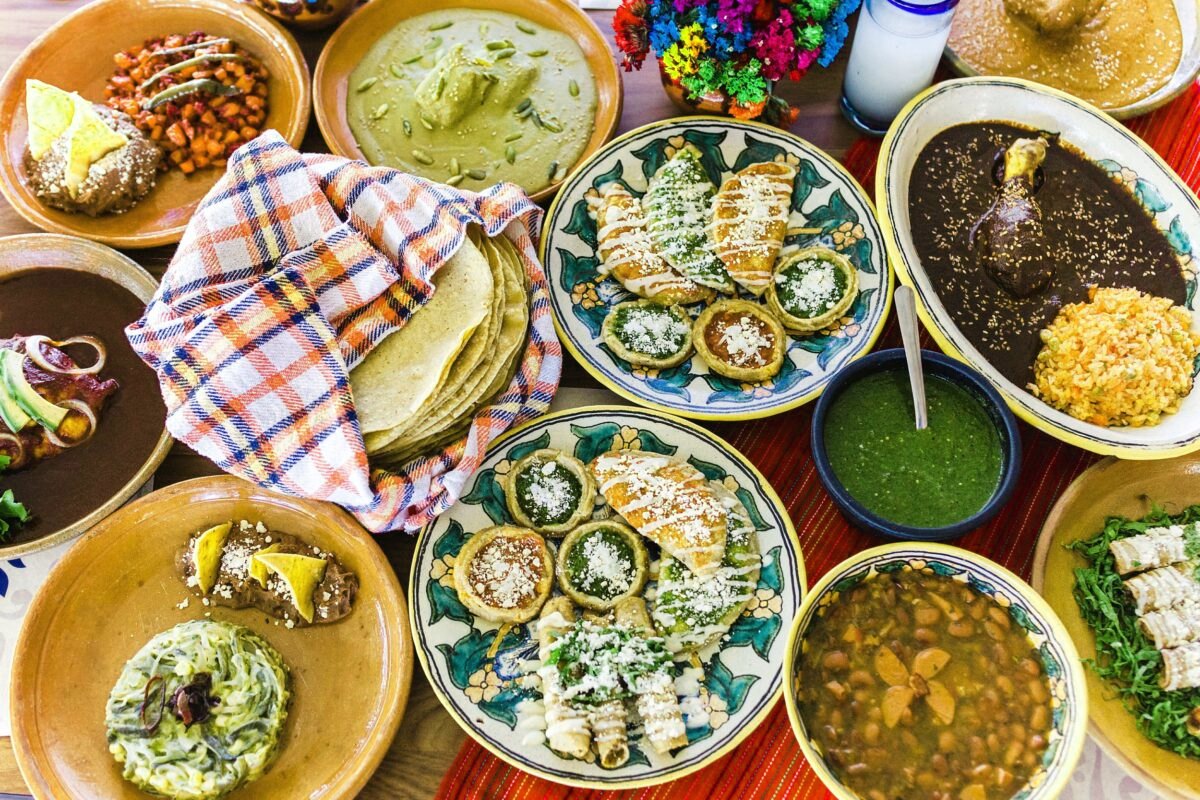
Mexico’s 2026 outlook, as previewed by Journey Mexico, centers on “evolving cultural and culinary experiences,” alongside notable hotel openings and destination refinements. That phrasing matters: it suggests the story is not simply that Mexico remains popular, but that the way travelers engage with it is changing—toward more curated, experience-forward itineraries that treat food and culture as the main event rather than a supporting act.
Culinary travel, in this context, is less about collecting famous restaurants and more about understanding food as a bridge to place. Trend reporting across 2026 emphasizes hands-on, immersive experiences and human connection—communal meals, participatory activities, and experiences that feel grounded in local life. In Mexico, that naturally aligns with market culture, regional cooking traditions, and the social nature of dining. The “evolving” piece can be read as a push toward deeper access: meals that are not just consumed but contextualized, and cultural experiences that are not just observed but participated in.
Cultural travel is also being pulled by a broader desire for authenticity and emotional resonance. Travelers are increasingly seeking trips that deliver a feeling—reconnection, renewal, reflection—and Mexico’s cultural richness can support all three, depending on how an itinerary is paced. Slow travel is part of the wider 2026 conversation, and Mexico is well-suited to it: rather than racing through highlights, travelers can spend longer in fewer places, building in time for neighborhood-level discovery and guided experiences that prioritize story and craft.
Hotel openings and “destination refinements” add another layer. New or refreshed properties often act as gateways to experiences—through partnerships, guides, and programming that can make cultural and culinary access easier to arrange at a high standard. For advisors, the practical implication is to watch how these openings shape itineraries: a new hotel can change where clients base themselves, how they move through a city or region, and what kinds of experiences can be delivered with consistency.
In 2026, Mexico’s advantage may be precisely this combination: a mature tourism ecosystem that can support high-touch planning, paired with a renewed appetite for culture and cuisine that feels personal, participatory, and emotionally aligned.
Focus on Private Estates and Adventure in Costa Rica and Panama
Costa Rica and Panama are being previewed for 2026 with a sharper emphasis on privacy and access: “private estates, villas, island escapes,” plus expanded adventure options that include helicopter routes and remote regions. Together, those signals point to a particular kind of luxury—one that is defined less by opulence and more by control over space, time, and experience.
Private estates and villas respond to several overlapping 2026 dynamics. First is the continued preference among many travelers for accommodations that feel personal and self-contained—especially for families, multi-generational groups, or friends traveling together. Second is the broader shift toward emotion-centric travel: privacy can be a tool for rest and renewal, while a shared home base can support reconnection. Third is flexibility: villas and estates can make it easier to design days around the group’s rhythm rather than a hotel’s schedule.
The “island escapes” note suggests demand for settings that naturally deliver a sense of separation—places where the environment itself supports a reset. That aligns with wellness trends described in 2026 reporting, where restoration is increasingly tied to nature immersion and a break from the pace of everyday life.
Adventure, meanwhile, is being reframed through access. Expanded helicopter routes and the ability to reach remote regions indicate that what’s “new” is not necessarily a new activity, but the ability to do it in places that feel less trafficked and more exclusive. For some travelers, that exclusivity is about bragging rights; for others, it’s about avoiding crowds and finding a more authentic relationship with landscape.
There’s also a planning implication: as access expands, so does the need for careful itinerary design. Remote regions can be logistically complex, and helicopter routes introduce new considerations around timing, weather, and coordination. For advisors, this is where human expertise becomes central—especially at a moment when travelers are expressing fatigue with algorithmic travel planning and are looking for trusted guidance.
In the Mexico-and-beyond context, Costa Rica and Panama can function as complementary chapters: Mexico for culture and cuisine; Costa Rica and Panama for privacy, nature immersion, and adventure that feels both elevated and remote. The 2026 preview suggests that combination will be increasingly attractive to discerning travelers.
Emerging Boutique Hotels and Boat Journeys in Brazil
Brazil’s 2026 preview highlights three connected developments: new boutique hotels, expanded boat journeys, and growing interest in emerging regions beyond Lençóis. Read together, they suggest a market where travelers are looking for both intimacy (boutique stays) and movement (journeys by water), while also pushing past the most familiar names on the map.
Boutique hotels tend to thrive in moments like this—when travelers want experiences that feel designed rather than standardized. In 2026 trend reporting, there’s a clear appetite for authenticity and human-scale travel: places where staff, guides, and hosts can shape a stay into something personal, and where the property itself feels like part of the story rather than a neutral container. New boutique openings can also signal a maturation of certain regions, making them easier to sell to travelers who want something “emerging” without sacrificing comfort.
Boat journeys fit neatly into the broader “slow travel” revival. While rail is often cited as the emblem of slower, lower-impact mobility, the underlying desire is the same: to make the journey itself meaningful, scenic, and restorative. Expanded boat itineraries also align with the 2026 preference for nature immersion and for experiences that feel less algorithmic and more sensory—water, weather, landscape, and time.
The mention of “emerging regions beyond Lençóis” is a reminder that Brazil’s story for discerning travelers is not static. When a destination becomes strongly associated with a single marquee region, the next wave of demand often looks for alternatives—places that deliver a similar sense of wonder with fewer crowds or a different cultural texture. The preview does not specify which regions are rising, but the direction is clear: advisors should be prepared to talk about Brazil as a portfolio, not a single highlight.
Brazil also intersects with event-driven travel and pop-culture influence, both of which are prominent in 2026 trend coverage. Even when a trip is not explicitly built around an event, travelers are increasingly motivated by shared moments and collective energy—something Brazil can offer in many forms. The key, for 2026, is to pair that energy with the kinds of accommodations and journeys that keep the experience grounded and personal.
For travelers pairing Mexico with Brazil, the narrative can be compelling: Mexico’s culinary and cultural evolution on one side; Brazil’s boutique-and-boat momentum on the other—two different expressions of the same 2026 desire for depth over checklists.
The Shift Towards Purpose-Driven Travel
One of the clearest 2026 signals across travel trend reporting is the rise of purpose-driven, emotion-centric planning—sometimes described as “whycations,” where the trip is designed around a personal intention rather than a destination bucket list. In this framing, travelers begin with a question: How do I want to feel? Rested. Reconnected. Renewed. Reflective. Useful. Then they choose the place and itinerary that can deliver that outcome.
Survey-based reporting cited in 2026 coverage suggests this is not a niche behavior. Forbes has reported that 25% of travelers now begin planning with a desired feeling or vibe rather than a specific location. That’s a meaningful shift in how travel is marketed and sold: the “product” becomes emotional alignment, not geography.
Purpose-driven travel also helps explain why certain formats are gaining traction. Communal dining and shared rituals can support reconnection. Nature immersion and digital detox can support renewal. Heritage and ancestry travel—another trend highlighted in 2026 reporting—can support reflection and identity-building, as travelers seek to connect with family roots through on-the-ground exploration.
This is also where Mexico and the broader Journey portfolio fit neatly. Mexico’s evolving cultural and culinary experiences can be positioned as a reconnection trip—reconnecting with people, craft, and food origins. Costa Rica and Panama’s private estates and remote adventure access can be positioned as renewal—space, nature, and a sense of escape. Brazil’s boutique hotels and boat journeys can be positioned as reflection and immersion—slower movement, sensory travel, and emerging regions that feel less scripted.
Purpose-driven travel is not inherently “serious.” It can be joyful, celebratory, and social—especially when paired with event-driven travel, which trend reporting suggests is motivating a large share of bookings. The difference is that even a high-energy trip is increasingly justified by an emotional goal: the collective thrill of a live event, the endorphin rush of a shared crowd, the feeling of being part of something bigger.
For advisors and destinations, the implication is straightforward: itineraries that articulate the “why” will resonate more than itineraries that simply list inclusions. In 2026, travelers are not only buying a place—they’re buying a feeling, and they expect the trip to deliver.
Sustainable and Regenerative Tourism Practices
By 2026, sustainability is widely treated as a baseline expectation rather than a differentiator. What’s increasingly shaping the conversation is regenerative tourism—an approach that aims not only to minimize harm, but to actively improve destinations, restore ecosystems, and strengthen local communities. Trend reporting describes this as a shift from “leave no trace” to “leave it better,” with more emphasis on partnership and measurable positive impact.
A commonly cited way to understand the change is to compare the two models directly:
| Aspect | Sustainable Tourism | Regenerative Tourism |
|---|---|---|
| Goal | Minimize harm | Actively improve |
| Approach | Leave no trace | Leave it better |
| Community role | Support | Partnership/leadership |
| Measurement | Reduced footprint | Net-positive impact |
Caption: A simplified comparison often used in 2026 trend reporting to distinguish sustainability from regeneration.
This matters because it changes what travelers ask for—and what operators need to demonstrate. In a sustainability-first era, travelers might look for reduced waste, energy efficiency, or lower-impact transport. In a regenerative era, they may ask how tourism revenue supports local livelihoods, whether experiences are community-led, or whether a property contributes to biodiversity restoration.
The 2026 trend landscape also connects regeneration to the desire for authenticity and human connection. Community partnerships are not only “good”; they often produce better travel—more grounded, less performative, and more likely to avoid the hollow feeling of mass tourism. That aligns with the reported rise in human-guided discovery and the pushback against algorithm-driven, overhyped itineraries.
Regenerative thinking also intersects with slow travel. When travelers spend longer in fewer places, they can reduce the churn that strains destinations and increase the chance that their spending reaches local businesses. It’s not a guarantee—slow travel can still be extractive if poorly designed—but it creates space for deeper engagement.
For Mexico and the wider region, the practical takeaway is to treat sustainability as table stakes and regeneration as a planning lens. Whether the trip is culinary in Mexico, adventure-focused in Costa Rica and Panama, or boat-based in Brazil, the question becomes: does the itinerary simply consume a destination, or does it participate in it in a way that leaves something meaningful behind?
The Rise of Immersive and Authentic Travel Experiences
Immersion is one of the defining words of 2026 travel—and it’s being driven by a mix of motivations: digital fatigue, a hunger for human connection, and a desire for experiences that feel participatory rather than performative. Trend reporting points to travelers seeking hands-on activities, community rituals, and heritage-focused journeys that connect them to people and place.
Several experience types are repeatedly cited as emblematic of this shift:
| Experience type | What it looks like in practice |
|---|---|
| Heritage travel | Ancestry-focused trips and on-the-ground exploration of family roots |
| Farm stays & rural escapes | Hands-on activities tied to food origins and sustainable agriculture |
| Community rituals | Shared wellness or cultural practices that emphasize connection |
| Participatory museums | Interactive formats that invite engagement rather than passive viewing |
Caption: Examples of immersive formats highlighted in 2026 travel trend reporting.
The common thread is agency. Travelers don’t just want to see; they want to do, learn, and belong—if only briefly. That’s partly a reaction to the “contentification” of travel, where destinations are consumed as backdrops for photos. In 2026, the pendulum is swinging toward experiences that feel harder to replicate and harder to fake.
Mexico is naturally positioned for this kind of travel, especially through culture and cuisine. When culinary experiences evolve beyond restaurant reservations into markets, techniques, and stories, they become immersive by default. Costa Rica and Panama’s expanded access to remote regions can also support immersion—less in a cultural sense and more in a nature-and-adventure sense, where the environment becomes the teacher.
Brazil’s expanded boat journeys are another immersion vehicle. Being on the water slows time, changes perspective, and creates a rhythm that encourages observation and conversation—qualities that align with the broader slow travel movement.
Immersive travel also benefits from human guidance. Trend reporting notes a growing preference for human-curated discovery over algorithmic recommendations. In practice, that means guides, hosts, and advisors become central to authenticity—not because they can manufacture it, but because they can facilitate access and context.
In 2026, “authentic” is less about claiming purity and more about designing experiences that are participatory, respectful, and rooted in real relationships—between traveler and host, and between itinerary and place.
Event-Driven Travel and Its Impact on Destinations
Live events are one of the most powerful travel accelerants in 2026. Trend reporting citing Accor research suggests that 89% of travelers book trips around concerts, sporting events, and festivals—an enormous share that underscores how much the “collective experience” now matters. This is sometimes framed as an “endorphin economy”: people are traveling to feel the energy of a crowd, the intensity of a moment, and the emotional lift that comes from shared attention.
Major global events scheduled for 2026 are expected to generate significant travel flows. Reporting has pointed to the Winter Olympics in Italy and the Super Bowl in the San Francisco Bay Area as examples of event magnets that can reshape demand patterns, pricing, and availability. Other widely cited events include the Commonwealth Games in Glasgow and Eurovision in Vienna—each capable of pulling regional and international travelers into a concentrated window.
Event-driven travel has several impacts on destinations and on how trips are planned:
- Compression of demand: Travel that might have been spread across months gets squeezed into event weeks, intensifying competition for rooms, transport, and reservations.
- Shift in traveler priorities: The event becomes the anchor, and everything else—neighborhood choice, day trips, dining—must be built around it.
- Opportunity for “shoulder” itineraries: Travelers often add days before or after an event to justify the long-haul flight, creating demand for nearby regions and slower-paced add-ons.
- Pressure on local infrastructure: Crowds can strain transport and services, raising the importance of planning and local guidance.
For Mexico and Latin America itineraries, the relevance is twofold. First, event-driven logic can influence how travelers stitch together multi-country trips: an event in one place can become the reason to add Mexico, Costa Rica, Panama, or Brazil as the restorative counterbalance. Second, even when the event is local—festivals, concerts, sports—the same emotional logic applies: travelers are seeking moments that feel communal and unforgettable.
In 2026, destinations that manage event surges thoughtfully—and advisors who plan around them intelligently—can turn peak demand into a better experience rather than a more stressful one.
Embracing the Future of Travel
Navigating New Norms in Travel
The “new norms” of 2026 are less about a single technology or a single destination and more about a new decision hierarchy. Travelers are prioritizing emotional intent, privacy, and immersion, while also expecting a baseline of sustainability. Mexico’s 2026 preview—evolving cultural and culinary experiences, hotel openings, destination refinements—fits this norm of refinement and depth. So do Costa Rica and Panama’s private estates and expanded adventure access, and Brazil’s boutique-and-boat momentum.
For planners, the norm is also complexity: more customized itineraries, more moving parts, and more demand for trusted human guidance in a world of digital overload.
The Importance of Emotional Connections
Emotion-centric travel is not a slogan in 2026; it’s a planning method. With reporting suggesting that a meaningful share of travelers begin with a desired feeling, the emotional connection becomes the metric of success. A trip that delivers rest, renewal, reflection, reconnection, or contribution will be remembered as “worth it,” even if it includes fewer headline attractions.
This is where culture, cuisine, nature, and community intersect. The strongest itineraries are those that can explain—not just promise—how each day supports the traveler’s intention.
Sustainability as a Core Value
Sustainability is increasingly treated as the floor, not the ceiling. Regenerative tourism raises the bar by asking whether travel can improve ecosystems and communities rather than simply reduce harm. In practice, that means more attention to community partnerships, local economic benefit, and experiences that are designed with—not just for—destinations.
For travelers, it also means asking better questions. For operators and advisors, it means being ready with transparent answers.
Experiencing Authenticity in Every Journey
Authenticity in 2026 is less about chasing the “untouched” and more about choosing experiences that are participatory and grounded. Hands-on activities, communal rituals, and human-guided discovery are all responses to the same fatigue: travelers are tired of itineraries that feel like they were generated by an algorithm.
Mexico’s cultural and culinary evolution, Brazil’s boutique hotels, and the move toward private, place-based stays in Costa Rica and Panama all support this desire—when paired with thoughtful pacing and real context.
The Rise of Community-Centric Travel
Community connection is repeatedly highlighted in 2026 trend reporting as a growing motivation. That can show up as communal dining, shared wellness rituals, or simply spending time in ways that support local businesses and traditions. It also aligns with regenerative tourism’s emphasis on partnership and local leadership.
Community-centric travel is not automatically “small” or “rustic.” It can be delivered at a high level—what changes is the orientation: the trip is designed to connect, not just to consume.
Adapting to the Digital Landscape
Digital fatigue is part of the 2026 story. Travelers are increasingly wary of overhyped destinations and algorithmic recommendations, and they’re seeking human-curated discovery. That doesn’t mean technology disappears; it means the value shifts toward expertise, judgment, and local insight.
For advisors and operators, the competitive edge is not more information—it’s better curation, clearer reasoning, and more trustworthy guidance.
Exploring the Benefits of Slow Travel
Slow travel is rising as both a sustainability-aligned choice and an emotional one. It supports restoration, reduces the stress of constant transit, and creates space for immersion. Boat journeys in Brazil and the broader interest in scenic, experience-first mobility reflect this desire to make movement meaningful.
In Mexico and across the region, slow travel can also be a practical antidote to overtourism pressures: fewer stops, longer stays, deeper engagement.
The Role of Events in Shaping Travel Plans
Event-driven travel is a major force in 2026, with research suggesting a very high share of travelers book around live events. Events concentrate demand, reshape pricing, and change how itineraries are structured. They also offer something many travelers are actively seeking: collective energy and shared emotion.
For destinations, the challenge is managing surges. For travelers, the challenge is planning early and building in buffers. For advisors, it’s an opportunity to design trips that balance peak moments with restorative ones.
Innovative Accommodation Trends
Accommodation choices in 2026 are increasingly tied to the kind of trip travelers want. Private estates and villas in Costa Rica and Panama speak to privacy and reconnection. Boutique hotels in Brazil speak to intimacy and design-led storytelling. Hotel openings and refinements in Mexico suggest a continuing evolution in how stays can support cultural and culinary access.
At the same time, broader trend reporting points to more flexible patterns—like hotel hopping within a single trip—driven by value, variety, and changing traveler routines.
Traveling with Purpose and Intention
Purpose-driven travel is the thread that ties the 2026 landscape together. Whether the trip is built around Mexico’s evolving food and culture, Costa Rica and Panama’s private-and-adventurous escapes, Brazil’s boutique stays and boat journeys, or a live event that becomes the anchor, the winning itineraries are those that can answer a simple question: Why this trip, now?
In 2026, the most compelling travel stories are not about collecting places. They’re about designing journeys that feel emotionally true—and leaving destinations better, not just visited.

Martin Weidemann is a digital transformation expert and entrepreneur with over 20 years of experience leading fintech and innovation projects. As a LinkedIn Top Voice in Digital Transformation and contributor to outlets like Forbes, he now brings that same expertise to travel and mobility in Mexico City through Mexico-City-Private-Driver.com. His focus: trustworthy service, local insights, and peace of mind for travelers.