Discover Mexico City’s diverse shopping and dining scene
- Polanco is known for its luxury shopping, featuring high-end brands and cultural attractions.
- Roma and Condesa offer a bohemian atmosphere with independent shops and vibrant cafes.
- Unique markets like Mercado Roma and La Ciudadela showcase local handicrafts and culinary delights.
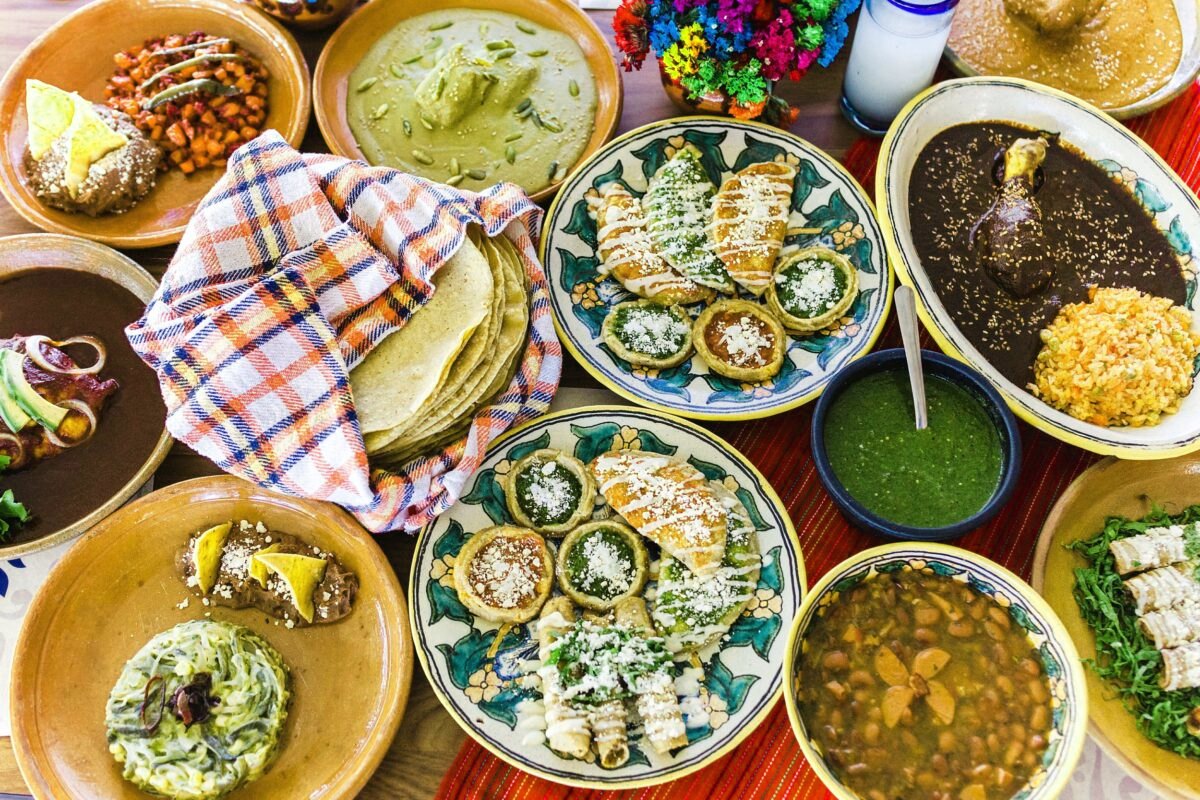
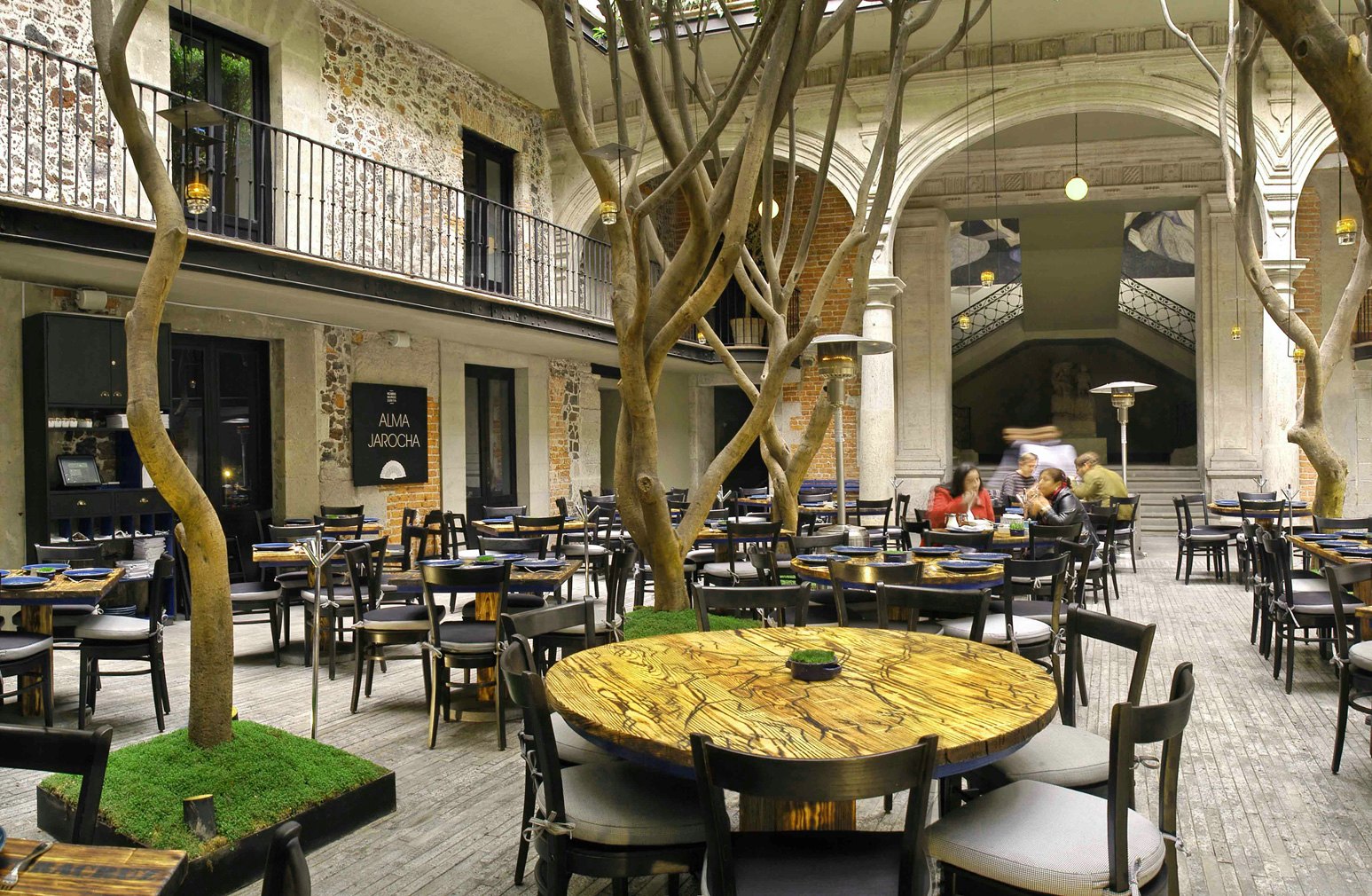
- Dining trends emphasize sustainability and cultural tourism, reflecting the city’s rich culinary heritage.
The Luxury of Polanco
Comparing Polanco to Beverly Hills
Polanco stands as Mexico City’s most exclusive neighborhood, often likened to Beverly Hills for its upscale ambiance and luxury shopping options. The area is characterized by clean streets lined with high-end boutiques and galleries, making it a prime destination for affluent shoppers. Avenida Presidente Masaryk serves as the main shopping artery, where international luxury brands such as Louis Vuitton, Gucci, and Tiffany & Co. coexist with renowned Mexican jewelers. This blend of global and local luxury creates a unique shopping experience that attracts both locals and tourists.
In addition to shopping, Polanco offers a wealth of cultural attractions. The Museo Soumaya, with its striking architecture and extensive art collection, including works by Rodin, is a must-visit. Nearby, the Museo Jumex showcases contemporary art, further enhancing Polanco’s reputation as a cultural hub. The combination of luxury shopping and rich cultural offerings makes Polanco a vibrant and desirable destination.
Shopping on Avenida Presidente Masaryk
Avenida Presidente Masaryk is the heart of Polanco’s shopping scene, featuring a mix of high-end international brands and local designers. The avenue is home to flagship stores that draw fashion enthusiasts and luxury shoppers alike. Visitors can explore a range of boutiques offering everything from designer clothing to artisanal accessories. The street’s elegant atmosphere is complemented by chic cafes and restaurants, providing a perfect backdrop for a leisurely shopping day.
The shopping experience on Avenida Presidente Masaryk is not just about luxury; it also reflects Mexico City’s evolving fashion landscape. Local designers are gaining recognition, and their boutiques offer unique pieces that blend traditional craftsmanship with contemporary styles. This fusion of global luxury and local artistry creates a shopping experience that is both diverse and enriching.
Cultural Attractions in Polanco
Visiting Museo Soumaya
Museo Soumaya is an architectural marvel that houses an extensive collection of art, making it a cultural landmark in Polanco. Designed by Fernando Romero, the museum’s futuristic structure is a sight to behold, with its reflective facade and unique shape. Inside, visitors can explore over 66,000 works of art, including pieces by renowned artists such as Diego Rivera, Rufino Tamayo, and Salvador Dalí. The museum’s diverse collection spans centuries and styles, offering a comprehensive overview of art history.
The museum is not only a place to admire art but also serves as a cultural center that hosts various events and exhibitions. Its commitment to accessibility ensures that art lovers from all backgrounds can engage with the collection. A visit to Museo Soumaya is a highlight for anyone exploring the cultural landscape of Mexico City.
Exploring Museo Jumex
Adjacent to Museo Soumaya, Museo Jumex is another cultural gem in Polanco. Opened in 2013, this contemporary art museum is known for its cutting-edge exhibitions and commitment to showcasing Latin American artists. The building, designed by David Chipperfield, features a minimalist design that allows the art to take center stage. The museum’s collection includes works by prominent contemporary artists, making it a vital part of Mexico City’s art scene.
Visitors to Museo Jumex can expect a dynamic experience, with rotating exhibitions that challenge traditional notions of art. The museum also offers educational programs and workshops, fostering a deeper understanding of contemporary art among its visitors. Together with Museo Soumaya, these institutions solidify Polanco’s status as a cultural epicenter.
The Bohemian Charm of Roma and Condesa
Art Deco Architecture
Roma and Condesa are celebrated for their bohemian charm, characterized by tree-lined streets and stunning Art Deco architecture. The neighborhoods are a haven for artists, writers, and creatives, with buildings that reflect a rich architectural heritage. Many structures feature intricate facades, colorful tiles, and unique design elements that tell the story of Mexico City’s artistic evolution.
Walking through Roma and Condesa feels like stepping back in time, with each block revealing hidden gems and artistic expressions. The neighborhoods’ commitment to preserving their architectural history adds to their allure, making them popular destinations for both locals and tourists seeking a vibrant cultural experience.
Independent Cafes and Shops
The independent cafes and shops in Roma and Condesa contribute to the neighborhoods’ unique atmosphere. These establishments often prioritize local products and sustainable practices, reflecting a growing trend towards ethical consumption. Visitors can find everything from artisanal coffee shops to boutique clothing stores, each with its own distinct character.
Cafes in the area serve as community hubs, where locals gather to enjoy coffee, pastries, and light meals. Many of these establishments host events, art exhibitions, and live music, fostering a sense of community and creativity. The emphasis on supporting local businesses enhances the neighborhoods’ charm, making them a must-visit for anyone exploring Mexico City.
Must-Visit Markets in Roma and Condesa
Exploring Mercado Roma
Mercado Roma is a vibrant market that embodies the culinary spirit of Mexico City. This gourmet food hall features a diverse array of vendors offering everything from traditional Mexican dishes to international cuisine. Visitors can sample a variety of foods, including tacos, artisanal cheeses, and gourmet desserts, all under one roof.
The market’s design blends modern aesthetics with traditional elements, creating an inviting atmosphere for food lovers. Mercado Roma also hosts events and workshops, making it a dynamic space for culinary exploration. Whether you’re looking for a quick bite or a leisurely meal, Mercado Roma offers a unique dining experience that showcases the best of Mexico City’s culinary scene.
La Ciudadela Artisan Market
La Ciudadela Artisan Market is a treasure trove of Mexican handicrafts, making it a must-visit for those seeking authentic souvenirs. The market features a colorful array of stalls selling handmade goods from various regions of Mexico, including textiles, pottery, and jewelry. Visitors can interact with artisans, learning about the techniques and traditions behind each craft.
Shopping at La Ciudadela not only supports local artisans but also provides a glimpse into Mexico’s rich cultural heritage. The market’s vibrant atmosphere, filled with the sounds of music and laughter, enhances the shopping experience, making it a delightful destination for both tourists and locals.
Culinary Delights of Mexico City
Mercado de San Juan: A Chef’s Paradise
Mercado de San Juan is renowned among chefs and food enthusiasts for its exceptional selection of gourmet ingredients. This market specializes in high-quality meats, exotic fruits, and specialty cheeses, making it a go-to destination for culinary professionals. Visitors can find rare ingredients, including edible insects and unique spices, that reflect Mexico’s diverse culinary landscape.
The market’s vibrant atmosphere is filled with the hustle and bustle of vendors and shoppers, creating an exciting shopping experience. Chefs often visit Mercado de San Juan to source ingredients for their restaurants, ensuring that the market remains a vital part of Mexico City’s culinary ecosystem. For food lovers, exploring this market is a chance to discover the flavors that define Mexican cuisine.
Traditional Mexican Handicrafts and Their Impact
Traditional Mexican handicrafts play a significant role in the country’s cultural identity and economy. Artisans across Mexico create a wide range of products, from pottery and textiles to jewelry and woodwork, each reflecting the rich heritage of their region. These crafts not only provide livelihoods for artisans but also attract tourists seeking authentic experiences.
The demand for traditional handicrafts has grown, particularly among younger consumers who prioritize sustainability and local products. This shift in consumer preferences has led to increased visibility for Mexican artisans, both domestically and internationally. By supporting these crafts, visitors contribute to the preservation of cultural traditions and the economic well-being of artisan communities.
The Role of Handicrafts in Mexican Culture
Artisan Techniques and Regional Diversity
The diversity of artisan techniques across Mexico is a testament to the country’s rich cultural heritage. Each region boasts its own unique styles and methods, often passed down through generations. For example, the intricate embroidery of Oaxaca, the vibrant pottery of Talavera, and the silver craftsmanship of Taxco all showcase the distinct artistic expressions of their respective regions.
These traditional techniques not only preserve cultural identity but also foster a sense of pride among artisans. As consumers increasingly seek authentic, handmade products, the appreciation for these crafts continues to grow. This cultural revival enhances the visibility of Mexican handicrafts on a global scale, ensuring their survival in a rapidly changing world.
Economic Impact of Handicrafts
The handicraft industry significantly contributes to Mexico’s economy, particularly in rural areas where many artisans rely on their crafts for income. The market for Mexican handicrafts is projected to reach over USD 13.21 billion by 2029, driven by both domestic and international demand. Tourists often seek out unique, locally made products as souvenirs, providing a vital source of income for artisans.
Government initiatives and partnerships with non-profit organizations have further supported the handicraft sector, offering training and resources to artisans. This support not only helps preserve traditional crafts but also empowers artisans to expand their reach through online platforms and artisan fairs. The economic impact of handicrafts extends beyond individual artisans, contributing to the overall growth of local economies and cultural tourism.
Shopping Experiences in Mexico City
Local vs. International Brands
Mexico City offers a diverse shopping landscape that caters to various tastes and preferences. Local brands often emphasize sustainability and craftsmanship, appealing to consumers who value unique, handmade products. In contrast, international brands provide a sense of luxury and familiarity, attracting shoppers looking for high-end fashion and accessories.
The coexistence of local and international brands creates a dynamic shopping environment, where consumers can choose between artisanal goods and global luxury. This blend reflects Mexico City’s evolving identity as a cosmopolitan metropolis that embraces both tradition and modernity.
The Rise of Online Marketplaces
The rise of online marketplaces has transformed the shopping experience in Mexico City, allowing artisans and local businesses to reach a broader audience. Platforms like Etsy and specialized Latin American marketplaces enable artisans to showcase their products to international buyers, bypassing traditional retail limitations.
This shift towards e-commerce has been particularly beneficial for younger consumers who prefer convenient online shopping. As a result, online sales now account for a growing share of the handicraft market, providing artisans with new opportunities for growth and visibility. The digital landscape continues to evolve, shaping the future of shopping in Mexico City.
Dining Trends in Mexico City’s Neighborhoods
Sustainable and Ethical Dining
Sustainable and ethical dining practices are gaining traction in Mexico City, reflecting a broader global trend towards conscious consumption. Many restaurants prioritize locally sourced ingredients, supporting local farmers and reducing their environmental impact. This commitment to sustainability resonates with consumers who seek to make responsible dining choices.
Restaurants in neighborhoods like Roma and Condesa often feature seasonal menus that highlight the best of Mexican produce. By embracing sustainable practices, these establishments not only contribute to the local economy but also promote a deeper appreciation for Mexico’s culinary heritage.
The Influence of Cultural Tourism
Cultural tourism plays a significant role in shaping dining trends in Mexico City. As more visitors seek authentic culinary experiences, restaurants are adapting their offerings to cater to diverse palates. This has led to a flourishing food scene that celebrates traditional Mexican cuisine while incorporating global influences.
Culinary tours and food festivals have become popular, allowing visitors to explore the city’s rich gastronomic landscape. These experiences not only enhance cultural appreciation but also support local businesses, creating a symbiotic relationship between tourism and the culinary sector.
Final Thoughts on Shopping and Dining in Mexico City
Embracing Local Culture Through Culinary Experiences
Exploring the shopping and dining scene in Mexico City offers a unique opportunity to engage with the local culture. From luxury boutiques in Polanco to artisanal markets in Roma and Condesa, each neighborhood presents a distinct flavor of the city’s identity. Culinary experiences, whether at gourmet markets or traditional restaurants, provide insight into Mexico’s rich culinary heritage.
By embracing local culture through shopping and dining, visitors contribute to the preservation of traditions and support the livelihoods of artisans and chefs. This connection fosters a deeper appreciation for Mexico City’s vibrant culture and encourages sustainable practices that benefit both the community and the environment.
The Importance of Supporting Local Artisans and Businesses
Supporting local artisans and businesses is essential for sustaining Mexico City’s cultural identity and economic vitality. As consumers increasingly prioritize unique, handmade products, the demand for traditional handicrafts and locally sourced food continues to grow. This shift not only empowers artisans but also enriches the overall shopping and dining experience.
By choosing to shop and dine locally, visitors play a crucial role in preserving Mexico’s rich cultural heritage while enjoying the diverse offerings of this vibrant metropolis. The future of Mexico City’s shopping and dining scene lies in the hands of those who appreciate and support its unique cultural tapestry.

Martin Weidemann is a digital transformation expert and entrepreneur with over 20 years of experience leading fintech and innovation projects. As a LinkedIn Top Voice in Digital Transformation and contributor to outlets like Forbes, he now brings that same expertise to travel and mobility in Mexico City through Mexico-City-Private-Driver.com. His focus: trustworthy service, local insights, and peace of mind for travelers.