Mexico’s tourism shifts towards luxury and wellness
- Mexico ranks among the top global luxury destinations for 2026, with demand signals pointing to privacy, wellness, and immersion.
- Los Cabos is a standout, with luxury bookings reported as up nearly 250% and the East Cape framed as an emerging ultra-elite enclave.
- Affluent travelers are shifting toward “quiet luxury,” longer stays, and private-villa ecosystems that support multi-generational trips.
- Industry analyses increasingly blend booking patterns with search trends and AI-led travel queries to spot where high-end demand is moving.
Mexico’s Position as a Luxury Travel Destination in 2026
Mexico enters 2026 with a clear signal from luxury-travel benchmarking: it is not merely competing with traditional European and Asian heavyweights, but ranking alongside them. In Jetset Select’s top 10 luxury destinations of 2026, Mexico places third—behind Italy and Japan, and ahead of destinations synonymous with exclusivity and high spend, including St. Barths, Switzerland, and the United Arab Emirates.
That placement matters because the same dataset frames luxury demand as increasingly shaped by why travelers choose a destination, not just where it is. The strongest demand signals are tied to privacy-driven travel, longevity-focused wellness, “quiet-luxury” escapes, and intentional immersion in nature or culture. Mexico’s advantage is that it can credibly offer all four in one country—often within a single itinerary—through a mix of high-end resorts, private residences, and curated experiences.
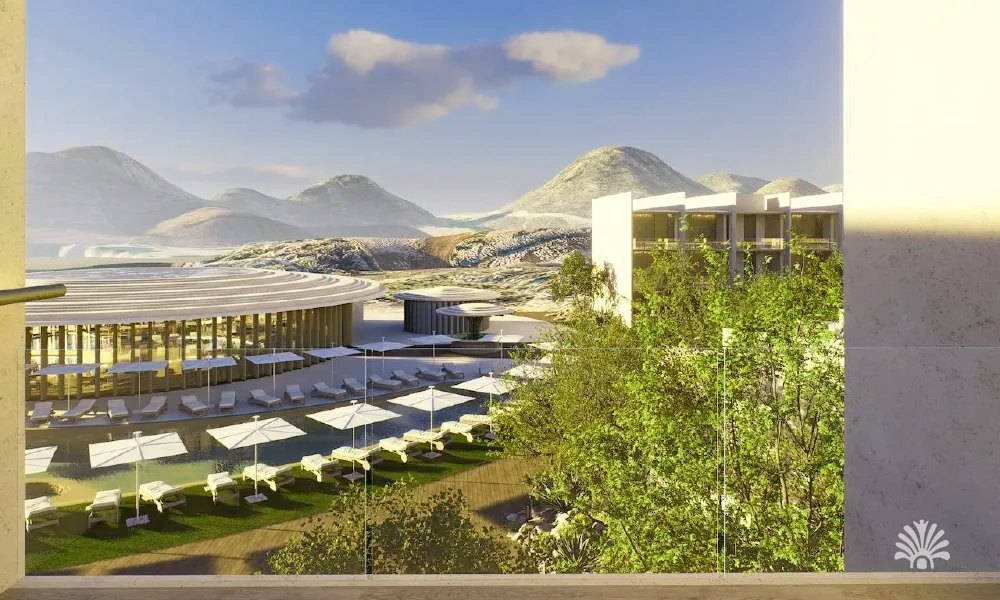
The most concrete growth marker in the brief is Los Cabos: Jetset Select reports luxury bookings there grew nearly 250%, with the East Cape emerging as the region’s new “ultra-elite playground.” The phrasing suggests a shift within the destination itself—away from a single, concentrated luxury core and toward new pockets that promise more space, discretion, and a sense of discovery.
Mexico’s luxury position is also reinforced by the way industry leaders are now measuring demand. Jetset Select’s analysis synthesizes booking lead times, occupancy levels, experiential demand, private-residence trends, and travel-designer insights, alongside search trends and AI-led travel queries. In other words, Mexico’s 2026 momentum is being detected not only in bookings, but in the upstream signals of intent—what affluent travelers are researching, asking, and planning well before they arrive.
Shifts in Affluent Traveler Preferences
Luxury travel in 2026 is being redefined less by overt opulence and more by control: control over space, pace, and purpose. The research brief points to a “significant shift among affluent travelers” toward privacy-driven destinations, longevity-focused wellness, quiet-luxury escapes, and more intentional cultural or nature-based immersion. Mexico’s relevance in this shift is not accidental; it aligns with the country’s growing ecosystem of high-end resorts, private villas, and curated experiences that can be tailored to different traveler profiles.
Two preference shifts stand out as particularly influential for Mexico: the desire for privacy (often expressed through private residences and low-friction service) and the elevation of wellness from a spa add-on to a central reason to travel. These shifts also connect to how affluent travelers are structuring trips: multi-generational groups, extended stays, and itineraries that blend restoration with meaning—whether that meaning comes from landscapes, culture, or both.
At the same time, the brief hints at a broader global context: high-end travelers are also drawn to destinations that combine exclusivity with seamless service, and in some cases, tax-efficient hubs for longer stays. Mexico’s competitive set therefore includes not only beach-and-sun peers, but also places positioning themselves as long-stay, high-comfort bases. The implication for Mexico is that it must keep delivering on the fundamentals that make privacy and wellness feel effortless—especially in the segments where it is already seeing outsized growth.
Privacy-Driven Destinations
Privacy has become a defining currency of luxury in 2026. Jetset Select’s analysis explicitly highlights “privacy-driven destinations” as a major driver of affluent travel decisions, and it links Mexico’s strength to “private-villa ecosystems”—a phrase that suggests more than standalone rentals. An ecosystem implies supporting infrastructure: staffing, concierge-style planning, and the ability to deliver high-touch service without the visibility and density of traditional hotel environments.
This preference shift also helps explain why certain sub-regions can surge even within already-established luxury markets. In Los Cabos, for example, the East Cape is described as an emerging “ultra-elite playground.” The appeal of a newer enclave is often the perception of space and discretion—fewer crowds, more distance between properties, and a sense that the destination still belongs to those who arrive early.
Privacy-driven demand also intersects with how travelers evaluate “quiet luxury.” Rather than seeking attention, many affluent travelers are seeking the opposite: environments where the experience feels personal, controlled, and calm. In practical terms, that can mean private residences, villas, or resort-adjacent homes that allow groups to gather without sacrificing comfort or service.
Mexico’s advantage is that privacy can be paired with immersion. A private base—villa or residence—can serve as a platform for curated cultural and nature experiences, allowing travelers to engage deeply during the day and retreat fully at night. The brief’s emphasis on “intentional cultural or nature-driven immersion” suggests that privacy is not about isolation from place, but about choosing how and when to engage with it.
Wellness-Focused Experiences
Wellness in 2026 is framed less as indulgence and more as longevity—an orientation that changes what travelers seek and how destinations compete. Jetset Select’s findings point to “longevity-focused wellness” as a key driver of luxury bookings, and they note rising interest in wellness enclaves globally, including Switzerland’s surge as a destination for “medical-grade longevity and health retreats.” That comparison matters for Mexico because it clarifies the competitive bar: wellness is no longer just massages and pools; it is increasingly positioned as a structured, outcomes-oriented pursuit.
The brief also highlights Costa Rica’s rise with a “healthy and wealthy” demographic seeking longevity-focused rituals in the Nicoya Peninsula Blue Zone. While that example is not Mexico, it signals the broader market demand Mexico is responding to: travelers with resources are actively selecting destinations that promise restoration, healthier routines, and a sense of long-term benefit.
For Mexico, the wellness opportunity is amplified by its luxury infrastructure and its ability to combine wellness with landscape immersion. A wellness-focused traveler in 2026 is not necessarily choosing between a beach, a cultural itinerary, or a retreat—they may want all three, but in a coherent, low-friction sequence. Mexico’s luxury positioning, especially in resort-and-residence markets, allows wellness to be integrated into the trip rather than treated as a separate category.
Wellness also pairs naturally with extended stays, which the brief links to private-villa ecosystems. Longer trips make it easier for travelers to adopt routines—movement, rest, nutrition, and recovery—without the rushed feeling of a short break. In that sense, wellness is not only a product offering; it is a trip design philosophy that favors time, privacy, and intentionality.
Data Analysis and Insights from Industry Leaders
The 2026 travel narrative is increasingly shaped by how the industry measures demand. Rather than relying on a single dataset—such as hotel occupancy or flight searches—luxury travel platforms are synthesizing multiple signals to identify where affluent travelers are actually moving. The research brief centers on Jetset Select’s release, which draws on a “weighted review of industry datasets, search trends, AI-led travel queries, booking patterns, and synthesized insights” from sources including Virtuoso, Capgemini, and McKinsey & Company.
This matters for Mexico because the country’s luxury momentum is not presented as anecdotal. It is positioned as a measurable outcome of converging indicators: what travelers are searching for, what they are booking, how far in advance they are committing, and what travel designers are hearing from clients. In a market where perception can shift quickly, these blended methodologies are designed to reduce noise and highlight durable trends.
The brief also provides concrete examples of how these insights translate into destination rankings and specific growth claims—such as Mexico’s top-three placement and Los Cabos’ reported booking surge. At the same time, it situates Mexico within a global map of luxury demand: Italy and Japan lead their regions by share of luxury bookings, Antarctica rises as an adventure destination, and Switzerland and Dubai benefit from long-stay mobility trends. Mexico’s story, then, is part of a broader reallocation of high-end travel toward privacy, wellness, and immersion.
Sources of Data
Jetset Select’s 2026 luxury destination ranking is built on synthesis rather than a single source. According to the brief, the platform evaluated a mix of:
- Industry datasets and third-party reporting
- Search trends
- AI-led travel queries
- Booking patterns
- Booking lead times and occupancy levels
- Experiential travel demand
- Private-residence trends
- Yachting activity
- Travel-designer insights
These inputs were assessed across the 2025–2026 travel window and weighted to identify “the strongest luxury demand signals by destination.” The emphasis on weighting is important: it implies an attempt to balance different indicators so that a spike in one area (for example, online interest) is tested against harder signals (like bookings, lead times, or occupancy).
The inclusion of AI-led travel queries is also revealing about how travelers plan in 2026. If affluent travelers are increasingly using AI tools to shape itineraries—asking for secluded beaches, wellness retreats, or culturally immersive routes—those queries become an early indicator of what will later show up in bookings. For destinations like Mexico, which can satisfy multiple intent categories (privacy, wellness, culture, landscapes), AI-led planning may amplify visibility.
Finally, the use of travel-designer insights—paired with data—suggests the analysis is not purely quantitative. Luxury travel often moves first through advisors and designers who see preference shifts before they appear in mass-market metrics. In that sense, Mexico’s ranking reflects both measurable demand and the professional interpretation of where high-end clients are leaning.
Key Findings from Virtuoso and McKinsey
The brief notes that Jetset Select synthesized insights from sources including Virtuoso and McKinsey & Company, and it frames the resulting picture as a “significant shift” in affluent travel behavior in 2026. The core findings highlighted are consistent across the analysis:
- Affluent travelers are prioritizing privacy-driven destinations.
- Longevity-focused wellness is rising as a central motivator.
- “Quiet-luxury” escapes are gaining traction.
- There is growing interest in cold-weather regions.
- Demand is increasing for immersive landscapes and meaningful cultural experiences.
- Private-villa ecosystems are supporting multi-generational and extended-stay travel.
Within those themes, Mexico’s specific performance is underscored by two points: its #3 ranking among global luxury destinations and the reported near-250% growth in Los Cabos luxury bookings, with the East Cape identified as a new ultra-elite focal point.
The brief also situates Mexico alongside other destinations that illustrate the same preference shifts. Japan’s high-end hotels are described as booking out 18 months in advance as cultural-immersion travel rises. Switzerland is seeing a surge in interest as a wellness enclave. Antarctica is framed as the top adventure destination, driven by interest in remote, cold-weather locations. These comparisons reinforce that Mexico’s rise is part of a broader pattern: luxury demand is moving toward experiences that feel intentional—whether that intention is privacy, health, nature, or culture.
Emerging Travel Trends for 2026
The luxury travel trends shaping 2026 are not limited to where travelers go; they extend to what travelers want to feel and do once they arrive. The research brief highlights two experience categories that are increasingly decisive: immersive landscapes and meaningful cultural experiences. These are not new concepts, but the brief suggests they are becoming more central—strong enough to influence destination rankings and booking patterns.
Mexico’s relevance to these trends is rooted in its ability to deliver both immersion types at high comfort levels. A traveler can pursue nature-driven experiences—coastlines, deserts, and other dramatic settings—while still expecting seamless service and privacy. Likewise, cultural experiences can be designed to feel intentional rather than touristic, especially when planned through high-touch luxury channels.
The brief also notes a growing interest in cold-weather regions, reflected in the rise of destinations like Antarctica and the early demand for Italy’s Dolomites. While Mexico is not positioned as a cold-weather destination, this trend is still relevant: it signals that affluent travelers are diversifying beyond predictable sun-and-sand patterns. For Mexico, that raises the stakes on differentiation—leaning into immersion, wellness, and privacy rather than relying on climate alone.
Demand for Immersive Landscapes
Immersive landscapes are increasingly a luxury driver in 2026, according to the brief. Jetset Select’s analysis points to “growing demand for destinations offering immersive landscapes,” citing examples such as Japan, Switzerland, and Italy. The inclusion of these destinations suggests that landscape immersion is not limited to remote wilderness; it can also mean iconic natural settings paired with high-end infrastructure.
The brief also frames Antarctica as the #1 adventure destination for 2026, driven by rising interest in “remote, cold-weather locations.” That data point underscores a broader appetite for landscapes that feel extreme, rare, or difficult to access—qualities that signal exclusivity in a different way than a five-star lobby does.
For Mexico, the landscape trend connects directly to the rise of privacy and villas. A private residence in a dramatic setting—coastal, desert, or otherwise—can turn the landscape into the main amenity. The traveler is not just visiting a view; they are living inside it, often with the space and quiet that affluent travelers increasingly demand.
Landscape immersion also aligns with longer stays. When travelers extend trips, they can move beyond a checklist approach and spend time in a place—watching light change, exploring at a slower pace, and building routines around the environment. The brief’s link between private-villa ecosystems and extended-stay travel suggests that immersive landscapes are not only a reason to visit, but a reason to stay.
Cultural Experience Prioritization
The brief identifies “meaningful cultural experiences” and “intentional cultural… immersion” as central to the 2026 shift in luxury travel. This is reinforced by the example of Japan, where cultural-immersion travel is rising and top hotels are reportedly booking out 18 months in advance. The implication is that culture is not a secondary activity; it is a primary driver of demand, strong enough to shape long lead times and high competition for premium inventory.
For Mexico, cultural prioritization fits naturally with the country’s positioning as more than a beach destination. The brief does not list specific Mexican cultural products, but it does establish that affluent travelers are seeking cultural relevance and meaning alongside exclusivity and seamless service. Mexico’s ability to combine high-end accommodations with curated cultural experiences is therefore part of what keeps it competitive in the top tier.
Cultural immersion also complements “quiet luxury.” Travelers who want understated, intentional experiences often prefer culture that feels personal and contextual rather than mass-produced. In practice, that can mean designing trips where cultural engagement is paced—balanced with privacy and rest—rather than packed into a rushed itinerary.
Finally, cultural prioritization is increasingly intertwined with how travelers plan. With AI-led travel queries included in the data methodology, it is reasonable—based on the brief’s framing—to see culture as something travelers are actively requesting and filtering for during planning, not discovering by accident. Destinations that can answer those queries with credible, high-quality experiences stand to gain.
The Rise of Private-Villa Ecosystems in Mexico
Private villas are not new, but the brief suggests that in 2026 they are evolving into “private-villa ecosystems”—a shift from isolated accommodation to a full-stack luxury product. Jetset Select explicitly links these ecosystems in Mexico (and Turks & Caicos) to two behaviors that are reshaping high-end travel: multi-generational trips and extended stays.
An ecosystem implies repeatable quality and service: the ability to deliver privacy without sacrificing convenience, and to host larger groups without forcing them into a one-size-fits-all resort format. It also implies that villas are becoming central to destination competitiveness, not just an alternative lodging category. In Mexico’s case, this trend supports its top-three ranking and helps explain why certain regions—like Los Cabos and the East Cape—can capture outsized luxury demand.
Private-villa ecosystems also align with the broader preference shifts highlighted in the brief: privacy-driven destinations, quiet luxury, and intentional immersion. A villa can function as both sanctuary and staging ground—allowing travelers to engage deeply with landscapes and culture while maintaining control over pace and exposure.
Multi-Generational Travel
The brief identifies multi-generational travel as a key outcome of private-villa ecosystems, specifically noting that Mexico’s villa landscape is helping drive this behavior. Multi-generational trips tend to require flexibility: different ages, different schedules, and different definitions of what a “good day” looks like. Villas can accommodate that complexity by offering shared space without forcing constant togetherness.
In the 2026 luxury context described in the brief, multi-generational travel also fits the shift toward privacy and quiet luxury. Larger family groups often want to be together, but not necessarily in public-facing environments. A private residence allows families to gather in a controlled setting while still accessing curated experiences—cultural or nature-driven—on their own terms.
This trend also reinforces Mexico’s competitive advantage in the luxury market. A destination that can host multi-generational groups comfortably is effectively capturing multiple traveler segments at once: grandparents seeking comfort and calm, parents seeking seamless logistics, and younger travelers seeking immersion and memorable experiences. The brief does not quantify this segment, but it clearly positions it as a driver of villa demand and, by extension, destination performance.
Finally, multi-generational travel can amplify length of stay. When families coordinate across schedules and invest in a shared trip, they may be more inclined to stay longer to justify the effort and cost. That connection is consistent with the brief’s pairing of multi-generational and extended-stay travel under the villa ecosystem trend.
Extended-Stay Travel Trends
Extended stays are another behavior the brief ties directly to private-villa ecosystems in Mexico. The logic is straightforward: villas are designed for living, not just sleeping. They can support routines—meals, wellness practices, work sessions, downtime—in a way that makes longer trips feel natural rather than excessive.
The brief also places extended-stay travel in a broader global mobility context. It notes that affluent travelers are being drawn to tax-efficient hubs such as Switzerland and Dubai for extended or long-term stays, reflecting a preference for destinations that combine exclusivity, cultural relevance, and seamless service. While Mexico is not described as a tax hub in the brief, it is positioned as a destination where exclusivity and seamless service can be delivered through villas and high-end infrastructure.
Extended stays also align with the rise of wellness as longevity-focused. A traveler pursuing wellness as a meaningful goal—rather than a quick spa reset—benefits from time: time to rest, to build healthier routines, and to experience a destination at a slower pace. The brief’s emphasis on longevity-focused wellness suggests that longer stays are not just a logistical trend; they are part of how travelers are redefining the purpose of travel.
In Mexico’s case, extended-stay demand may also reinforce the growth of emerging enclaves like Los Cabos’ East Cape. Newer luxury zones often appeal to travelers who want to settle in—away from dense tourist corridors—while still enjoying high-end service. The brief’s description of the East Cape as an “ultra-elite playground” fits that extended-stay mindset: a place to inhabit, not just visit.
The Future of Travel in Mexico: Embracing Change and Innovation
Sustainable Tourism: A New Paradigm
The 2026 luxury shift described in the brief is fundamentally about intentionality—privacy, wellness, and meaningful immersion. While the brief does not provide specific sustainability metrics or programs, the direction of travel it outlines implies a market that increasingly rewards destinations able to deliver high-quality experiences without feeling extractive or superficial.
As luxury travelers prioritize “meaningful cultural experiences” and nature-driven immersion, the expectation rises that destinations will protect what makes them desirable in the first place. For Mexico, the opportunity is to align luxury growth—especially in fast-rising regions like Los Cabos—with practices that preserve landscapes and maintain the integrity of local experiences. In a market where travelers are seeking “intentional” immersion, sustainability becomes part of credibility: the destination must feel cared for, not consumed.
Cultural Immersion: Connecting with Local Communities
Cultural immersion is explicitly identified in the brief as a rising driver of luxury demand. The shift is not toward culture as entertainment, but toward culture as meaning—experiences that feel intentional and grounded. Mexico’s strength, as implied by its top-three luxury ranking, is that it can pair high-end comfort with cultural relevance.
The brief’s comparison to Japan—where cultural-immersion travel is rising and premium inventory is booking far in advance—signals how powerful this driver can be. For Mexico, cultural immersion is not a niche; it is a competitive necessity in a luxury market that increasingly values depth over spectacle.
Technological Advancements: Enhancing the Travel Experience
The brief’s methodology points to a subtle but important change: AI-led travel queries are now part of how industry leaders detect and interpret demand. That indicates travelers are increasingly using AI tools to plan, refine, and personalize trips—asking for privacy, wellness, and immersion in ways that can be translated into bookings.
For Mexico’s tourism ecosystem, this means visibility and clarity matter. Destinations and operators that can articulate what they offer—private-villa ecosystems, wellness-oriented stays, immersive landscapes, meaningful cultural experiences—are more likely to match the intent expressed in AI-led planning. In 2026, the planning interface is becoming part of the competitive landscape, not just the on-the-ground product.
Luxury Travel Trends: Redefining Affluence
The brief frames 2026 luxury as a shift toward privacy, quiet luxury, and intentional immersion. Mexico’s #3 ranking in Jetset Select’s top 10 list suggests it is benefiting from this redefinition. Affluence, in this framing, is less about conspicuous consumption and more about access: access to space, to calm, to curated experiences, and to service that feels seamless.
Los Cabos’ reported near-250% growth in luxury bookings—and the rise of the East Cape as an “ultra-elite playground”—illustrate how this new luxury can concentrate in places that offer both infrastructure and discretion. Mexico’s challenge, implied by the pace of growth, is to maintain quality and exclusivity as demand rises.
Health and Wellness: Prioritizing Well-Being
Wellness is one of the clearest demand drivers in the brief, described as “longevity-focused.” The global context includes Switzerland’s surge as a wellness enclave and Costa Rica’s rise among travelers seeking longevity rituals. Mexico’s opportunity is to compete in this same conversation by integrating wellness into luxury stays—particularly through private residences and extended-stay formats that support routines.
The key point from the brief is that wellness is no longer peripheral. It is central to how affluent travelers choose destinations in 2026, alongside privacy and immersion.
Adventure Tourism: Exploring Mexico’s Natural Wonders
The brief positions Antarctica as the #1 adventure destination for 2026, driven by interest in remote, cold-weather locations. While Mexico is not framed as a cold-weather adventure market, the underlying signal is broader: affluent travelers are seeking landscapes that feel immersive and experiences that feel rare.
Mexico’s advantage is that immersive landscapes can be paired with luxury infrastructure and privacy—especially through villa ecosystems. In 2026, adventure and comfort are not opposites; they are increasingly bundled, with travelers expecting both.
Family Travel: Catering to Multi-Generational Needs
Multi-generational travel is explicitly linked in the brief to Mexico’s private-villa ecosystems. This is a structural advantage: villas can host larger groups, support varied schedules, and deliver privacy—one of the top luxury drivers identified for 2026.
As Mexico’s luxury demand grows, the ability to serve multi-generational groups becomes a differentiator. It also reinforces extended stays, since coordinating family travel often leads to longer, more deliberate trips.
Remote Work and Travel: The Rise of Digital Nomadism
The brief points to “global mobility trends” and notes that affluent travelers are choosing destinations like Switzerland and Dubai for extended or long-term stays, seeking a blend of exclusivity, cultural relevance, and seamless service. While it does not label this explicitly as digital nomadism, the behavior overlaps with remote-work travel: staying longer, living comfortably, and expecting frictionless support.
Mexico’s villa ecosystems and extended-stay appeal place it within this broader long-stay trend. In 2026, the line between vacation and temporary living continues to blur for travelers who can afford flexibility.
Safety and Security: Ensuring Peace of Mind for Travelers
The brief does not provide specific safety statistics or claims. What it does emphasize is that affluent travelers are prioritizing destinations that offer “seamless service” alongside exclusivity and cultural relevance. In practice, seamless service often includes the operational elements that contribute to peace of mind: reliable logistics, controlled environments, and predictable quality.
Privacy-driven travel—villas, residences, and curated experiences—can also be understood as a response to the desire for control and comfort. In 2026, peace of mind is part of the luxury proposition, even when it is not explicitly labeled as such.
Conclusion: A Bright Future for Mexico’s Tourism
The 2026 signals in the brief point to a Mexico that is gaining share in the global luxury conversation by aligning with what affluent travelers now prioritize: privacy, wellness, quiet luxury, and intentional immersion in landscapes and culture. Mexico’s #3 ranking among Jetset Select’s top luxury destinations—and the reported surge in Los Cabos luxury bookings, with the East Cape emerging as a new ultra-elite focal point—suggest that demand is not only strong, but accelerating in specific high-end enclaves.
At the same time, the way these trends are being measured—through blended datasets that include booking patterns, lead times, occupancy, and even AI-led travel queries—indicates that Mexico’s momentum is visible across the full planning funnel, from early intent to confirmed travel.
The next chapter, as implied by the brief, will be defined by execution: maintaining the privacy, wellness depth, and immersive quality that today’s luxury travelers are actively seeking, while ensuring the experience remains seamless and credible as demand grows.

Martin Weidemann is a digital transformation expert and entrepreneur with over 20 years of experience leading fintech and innovation projects. As a LinkedIn Top Voice in Digital Transformation and contributor to outlets like Forbes, he now brings that same expertise to travel and mobility in Mexico City through Mexico-City-Private-Driver.com. His focus: trustworthy service, local insights, and peace of mind for travelers.