Nación de Vinos showcases Mexican wine culture
- The festival returns for its seventh edition as Mexico’s largest annual wine event.
- Campo Marte hosts nearly 4,000 visitors and 80 exhibitors across more than 4,000 square meters.
- Four pavilions organize tastings, restaurants and winery stands into distinct discovery zones.
- Nine restaurants offer pairings, while a dedicated bar spotlights cocktails from four acclaimed bars.
- Organizers and longtime attendees credit the event with expanding wine culture and consumption nationwide.
Overview of Nación de Vinos 2026
Nación de Vinos is back in Mexico City for its seventh edition, a milestone that underscores how quickly the event has become a fixed point on the country’s culinary calendar. Billed as the nation’s largest gathering of wine enthusiasts, industry professionals and culinary artisans, the festival positions itself not as a niche tasting but as a broad, walkable showcase of Mexican terroir and the people shaping it.
The 2026 edition leans into the idea of discovery. Attendees can move from stand to stand sampling wines from established labels and emerging projects, while also encountering food pairings and cocktail programs designed to keep the experience social rather than strictly technical. The format is intentionally immersive: sip, snack, compare and return to favorites—an approach that helps explain why, even with a two-day ticket, “experiencing everything remains a delightful challenge,” as the event’s own framing suggests.
A key part of the festival’s identity is its scale and structure. The exhibition is organized into four distinct pavilions, each mixing wineries, restaurants and tasting experiences from major brands. That layout encourages visitors to explore by theme and mood, rather than trying to navigate a single undifferentiated hall.
For many in the wine community, Nación de Vinos has also become a reference point for how wine is presented to the public in Mexico: approachable, celebratory and tied to food. Armando Hernández Loyola, an oenology professor at Anáhuac University who has attended every edition, describes it as “one of the most complete experiences in the world of wine,” emphasizing that it showcases producers while letting visitors enjoy wine in a festive atmosphere—an atmosphere he says has helped promote wine and boost consumption at a national level.
Event Details and Location
Nación de Vinos takes place in Mexico City on Jan. 28 and 29, returning to Campo Marte, the event space that has become closely associated with the festival’s growth. The venue’s physical character is part of the experience: green areas around the grounds give visitors space to pause between tastings, and Campo Marte’s signature massive Mexican flag is a constant presence overhead, anchoring the event in a distinctly national setting.
Inside the exhibition area, the festival emphasizes comfort and flow. The space is smoke-free, a practical detail that matters at an event built around aroma, flavor and repeated sampling. Between pours, live music fills the air, reinforcing the idea that this is not only a trade-style tasting but also a social gathering meant to be enjoyed at an unhurried pace.
Campo Marte also supports the event’s hybrid identity—part showcase, part marketplace. Wine is available for purchase, allowing visitors to take home bottles they discover on-site rather than treating the tasting as a one-off experience. That retail element helps connect the festival to everyday consumption: the wines are not just discussed, they can be bought and shared later.
The setting extends beyond the main pavilions. A Heineken Terrace adds another layer to the layout, with food service that encourages visitors to step away from the densest tasting zones and reset their palate. The overall result is a venue that can handle crowds while still offering pockets of calm—important for an event that invites people to taste widely across regions, styles and producers.
Expected Attendance and Exhibitors
The 2026 edition is expected to draw nearly 4,000 visitors and feature 80 exhibitors, spread across more than 4,000 square meters of exhibits. Those headline numbers are central to why Nación de Vinos is described as Mexico’s largest wine event of the year: it is big enough to feel comprehensive, yet still designed for direct interaction between producers and the public.
Scale matters here not only as a bragging right but as a practical advantage for attendees. With dozens of exhibitors in one place, visitors can compare wines from different states and winemaking philosophies without leaving the venue. For industry professionals, the density of producers and culinary partners creates a concentrated networking environment. For casual drinkers, it offers a guided way to explore Mexican wine beyond the limited selection they might encounter in a single restaurant list.
The exhibitor mix also signals the festival’s intent to represent breadth. The pavilions include wineries from multiple regions—Baja California, Jalisco, Guanajuato, Coahuila, Hidalgo, Sonora, San Luis Potosí, Zacatecas and Aguascalientes appear among the named participants—alongside restaurants and cocktail bars. That combination turns the event into a snapshot of how wine is consumed in Mexico today: not in isolation, but alongside chefs, tortillas, cocktails and conversation.
Two-day tickets are framed as a way to make the most of the offering, giving attendees time to taste wines, try food pairings and meet chefs. Even so, the festival’s own narrative acknowledges that the abundance can be overwhelming in the best way—an experience that rewards curiosity and repeat visits to the stands that stand out.
Culinary Experiences at the Festival
Food is not an accessory at Nación de Vinos; it is built into the festival’s structure. The 2026 edition features nine restaurants providing wine pairings at their stands, reinforcing the idea that Mexican wine is best understood at the table, not only in a glass. For attendees, that means tasting becomes contextual: a sip can be followed by a bite, and the pairing can change how the wine reads—fruit, acidity, tannin and texture all shifting with the food.
The culinary program also helps bridge audiences. Visitors who arrive primarily for the restaurants are introduced to wineries they may not know; wine-focused attendees are nudged to think about how bottles behave with real dishes rather than tasting notes alone. This is especially relevant in a festival setting, where the temptation is to move quickly from pour to pour. Pairings slow the pace and encourage more deliberate tasting.
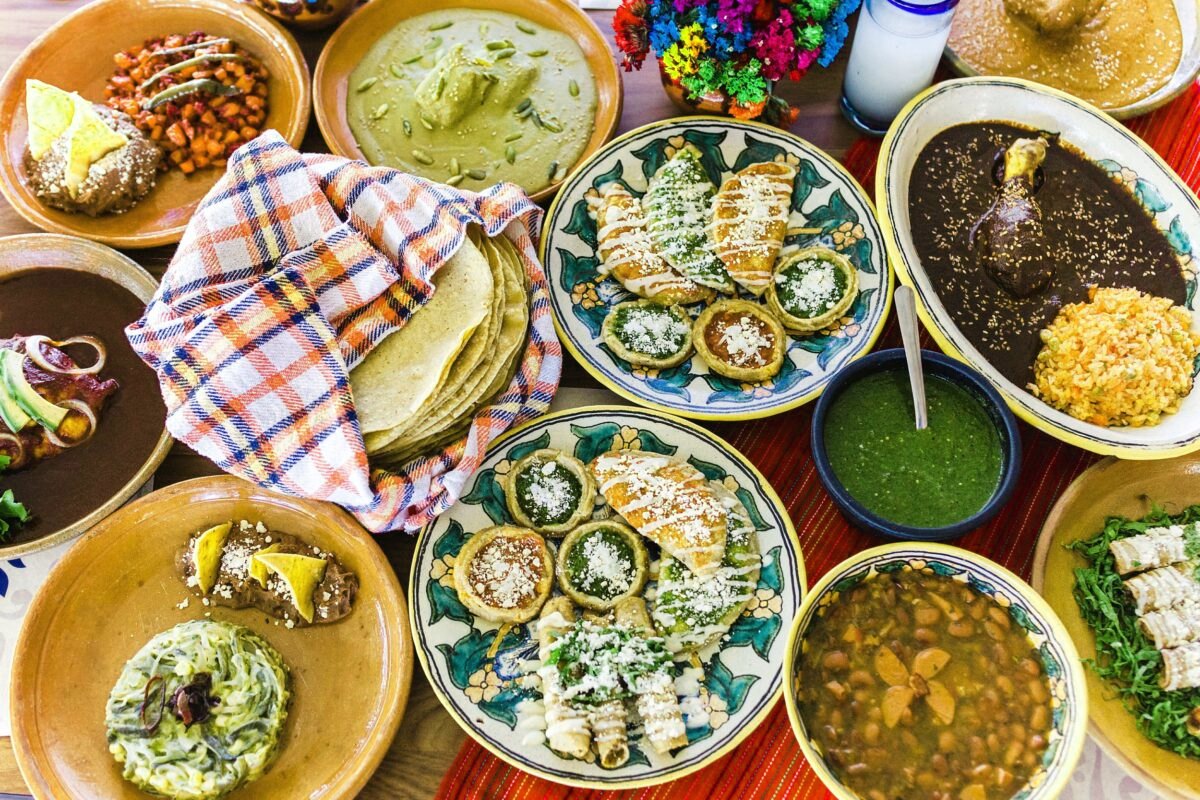
Beyond the restaurant stands, the festival’s layout includes the Heineken Terrace, where Comal Oculto serves food under a concept it defines as “corn and love.” That phrasing is more than branding: it signals a focus on corn-based cooking and the emotional, communal side of eating—an appropriate counterpoint to the technical language that sometimes surrounds wine.
Taken together, the restaurants, the terrace and the bar area create a full-spectrum experience: wine with food, cocktails as an alternative, and spaces to rest between tastings. It is a design that supports long visits and repeat sampling without turning the event into a marathon of uninterrupted pours.
Wine Pairings from Featured Restaurants
The festival’s nine participating restaurants provide wine pairings at each stand, turning the tasting floor into something closer to a moving dining experience. Instead of treating food as a separate zone, Nación de Vinos integrates it into the same spaces where wineries pour, encouraging visitors to taste wines in the context of flavor and texture.
That integration matters because it changes how people learn. A visitor might discover that a wine they liked on its own becomes more vivid with a bite, or that a bottle they found challenging becomes balanced when paired. In a country where wine culture is still expanding in reach, pairing-driven experiences can be a practical form of education—one rooted in pleasure rather than lectures.
The pairing stands also create opportunities for direct contact with chefs. The festival notes that two-day tickets allow attendees to meet chefs while tasting offerings from the country’s best restaurants. In a crowded culinary landscape, that face-to-face element can be part of what makes a festival memorable: the dish is not just consumed, it is explained, and the wine is not just poured, it is introduced by the people behind it.
Because the event is large—nearly 4,000 visitors and 80 exhibitors—pairings also function as a navigation tool. Visitors can choose where to linger based on what they want to eat, then let the wines at that stand guide them toward new producers. In that sense, the restaurants do more than feed the crowd; they help structure discovery.
Signature Cocktails at the Bar Area
Not every visitor wants wine all day, and Nación de Vinos builds in an alternative: a dedicated bar area showcasing classic and signature cocktails from four of Mexico’s most renowned establishments—Bar Mauro, FOMA, Café de Nadie and Long Story Short. The inclusion of these bars broadens the festival’s appeal and reinforces its identity as a wider celebration of drinks culture, not a single-category trade show.
The cocktail program also serves a practical role. After multiple tastings, a different format—spirits, citrus, bitters, carbonation—can reset the palate and change the rhythm of the visit. It gives groups a way to stay together even if not everyone wants to focus exclusively on wine, and it adds another layer of craft to the event: cocktails, like wine, are built on balance, technique and ingredient choices.
By highlighting both “classic and signature” drinks, the bar area suggests range: familiar cocktails for those who want something recognizable, and house creations for those who come to be surprised. In the context of a festival that celebrates discovery across producers and regions, that approach fits neatly.
Most importantly, the bar area reinforces the festival’s “festive atmosphere,” a phrase echoed by longtime attendee Armando Hernández Loyola. The presence of top bars signals that Nación de Vinos is designed to feel like a night out as much as a tasting—an environment where learning happens through enjoyment.
Pavilions and Their Highlights
Nación de Vinos organizes its exhibitor floor into four distinct pavilions, a structure that helps visitors navigate a large event without feeling lost. Each pavilion mixes wineries, restaurants and tasting experiences from major brands, creating zones that feel curated rather than random. For attendees, the pavilion system becomes a map: a way to plan a route, compare styles and return to areas that match their preferences.
The pavilion approach also reflects the festival’s broader mission. By grouping producers and experiences, Nación de Vinos makes Mexican wine culture legible to a wide audience—people who may not know where to start can simply choose a pavilion and begin tasting. For more experienced visitors, the pavilions offer a way to focus: spend time with a set of producers, then move on to a different cluster.
Across the four pavilions, the lineup spans multiple Mexican states and includes both established names and projects that are still building recognition. The presence of a sponsor—BMW Mexico—in the Cobalt Pavilion underscores that the event has grown into a platform attractive to major brands, while still making room for smaller producers who benefit from the visibility.
What follows is a closer look at the four pavilions and the specific wineries and experiences highlighted within each, as presented by the festival’s own guide to “countless discoveries.”
Red Wine Pavilion
The Red Wine Pavilion spotlights bottles from a cross-section of Mexican regions, offering visitors a focused place to explore red wines while still encountering geographic diversity. Among the highlighted participants are Tierra de Origen from Jalisco, Espíritus Enológicos from Baja California, Pozo de Luna from San Luis Potosí, and López Rosso from Zacatecas.
That list alone hints at one of the festival’s strengths: it does not frame Mexican wine as a single-region story. Baja California appears, as many visitors might expect, but it sits alongside producers from central and northern states that may be less familiar to casual drinkers. For attendees, the pavilion becomes an invitation to compare how different places—and different producers—express red wine within the broader category.
Because the pavilion is part of a larger event with restaurants and pairings, the Red Wine Pavilion is not only about tasting reds in isolation. Visitors can move between pours and food, testing how these wines behave with bites from the culinary stands. In a festival setting, that can be the difference between remembering a label and forgetting it: the pairing creates a sensory anchor.
The Red Wine Pavilion also functions as an entry point. For many people, red wine is the default category they seek out first. By giving it a dedicated zone with named producers, Nación de Vinos makes the first steps of exploration easy—then encourages visitors to branch out into the other pavilions.
Cobalt Pavilion
The Cobalt Pavilion, sponsored by BMW Mexico, is positioned as a place where wine and culinary experiences meet. One of its standout inclusions is Siembra, described as a tortilla mill and restaurant in Mexico City—an emblem of how the festival ties wine to foundational Mexican food traditions rather than treating it as an imported ritual.
Alongside Siembra, the pavilion includes a mix of wineries and wine offerings: Viñedo El Refugio from Hidalgo; Bodegas Santo Tomás; Juguette; Australian wines designed for Mexico; Don Perfecto from Parras, Coahuila; and Viñedo San Miguel de Comonfort from Guanajuato. The range suggests a pavilion built around variety and conversation—local projects, established names, and even an international angle tailored to Mexican tastes.
The mention of “Australian wines designed for Mexico” adds an intriguing note without overexplaining it: the festival is not purely inward-looking, but it keeps the focus on how wine fits into Mexico’s market and dining culture. In a setting where visitors are tasting broadly, that kind of inclusion can spark comparisons and questions about style, preference and pairing.
Sponsorship can sometimes feel like branding noise, but here it appears to support a pavilion that emphasizes experience—food, wine and the social side of tasting. For attendees, the Cobalt Pavilion offers a route that is as much about eating and lingering as it is about ticking off producers.
Arena Pavilion
The Arena Pavilion brings together a lineup that mixes Mexican benchmarks with a notable international presence. It features Bodegas Ícaro, described as a quality benchmark, alongside Dos Búhos from San Miguel de Allende; Norte 32 and Casa de Piedra from Baja California’s Guadalupe Valley; Cuna de Tierra from Guanajuato; Casa Quesada from Aguascalientes; and the prestigious international winery Henry Lurton.
The pavilion also highlights Altos Norte, described as one of Jalisco’s most surprising star wineries, and includes Hacienda Florida from Coahuila. The overall effect is a pavilion that reads like a broad survey: well-known regions such as Guadalupe Valley appear next to producers from other states, and the inclusion of Henry Lurton adds an international reference point within the same tasting environment.
For visitors, the Arena Pavilion can function as a comparative classroom without feeling like one. Tasting a “quality benchmark” producer near emerging or regionally distinctive projects invites people to calibrate their palate: what feels classic, what feels experimental, what feels tied to place. The presence of producers from multiple states also reinforces the festival’s national scope.
Because Nación de Vinos is designed as a festive event with live music and green spaces for breaks, the Arena Pavilion’s dense lineup does not have to be rushed. Attendees can take their time, revisit stands, and use food pairings elsewhere in the festival to test how these wines perform beyond the tasting pour.
Pabellón Arcilla
Pabellón Arcilla offers another curated slice of the festival, featuring Lechuza, Casa Domecq, Catifol de Caborca from Sonora, Casa Madero, Lotería from Dolores Hidalgo in Guanajuato, and Ruber Cardinal—described as a delicate blend made in Baja California.
The inclusion of Ruber Cardinal is especially notable because the festival later highlights its owner, Gustavo Spíndola, as an example of the small-batch winemakers who benefit from Nación de Vinos as a platform. That connection gives Pabellón Arcilla a dual identity: it is a place to taste recognized names, but also a place where visitors can encounter projects that are still building their public profile.
Geography again plays a role. Sonora appears through Catifol de Caborca, while Baja California is represented through Ruber Cardinal, and Guanajuato through Lotería. The pavilion’s lineup suggests that Mexican wine’s story is not confined to one corridor; it is distributed, varied and increasingly visible in settings like this festival.
For attendees, Pabellón Arcilla can be approached as a discovery zone—one where the wines may prompt questions about style and origin, and where conversations with producers can add context. In a festival that emphasizes meeting the people behind the bottles, this pavilion’s mix supports exactly that kind of engagement.
Spotlight on Small-Batch Winemakers
Amid the scale of Nación de Vinos—nearly 4,000 visitors, 80 exhibitors, and more than 4,000 square meters of exhibits—the festival also positions itself as a meaningful platform for small producers. The event’s own narrative frames these winemakers as having “a big impact,” suggesting that influence in wine is not only a function of volume, but also of craft, identity and visibility.
Gustavo Spíndola, owner of Ruber Cardinal, is presented as a clear example. His project is described as carefully crafted, using Merlot grapes from Baja California and aging the wines in French or American oak barrels to create two different expressions of the same grape. The detail matters: it signals an approach rooted in technique and intentional variation, showing visitors how a single grape can be shaped by choices in aging.
Spíndola also speaks directly to what a festival like Nación de Vinos can do for a small-batch label. “Participating in such a major event has had a very positive impact on the image and positioning of my project,” he said. In a market where shelf space and restaurant lists can be hard to access, a high-traffic event offers something immediate: face-to-face storytelling, direct tasting, and the chance to convert curiosity into recognition.
The festival environment amplifies that effect. Visitors arrive expecting to discover new offerings from national wineries and emerging players, and the pavilion structure encourages them to wander beyond the most familiar names. For small producers, that wandering audience is the opportunity: a crowd already primed to try something they have never heard of.
In that sense, Nación de Vinos functions not only as a celebration but as infrastructure for visibility. It creates a temporary marketplace where small projects can stand beside larger brands, letting quality and conversation do the work that marketing budgets often do elsewhere.
Impact of Nación de Vinos on Wine Culture
Since its inception, Nación de Vinos has been described as a watershed moment in the dissemination of wine culture in Mexico. That is a strong claim, but the festival’s scale, longevity and format help explain why it resonates. By bringing producers, chefs, bartenders and consumers into the same space, it turns wine into a shared cultural experience rather than a specialized hobby.
Armando Hernández Loyola, an oenology professor at Anáhuac University and a veteran attendee of every edition, links the festival directly to broader consumption patterns. He argues that the event’s festive atmosphere—combined with its producer showcase—has contributed to the promotion and consumption of wine at a national level. His perspective carries weight not only because of his repeated attendance, but also because of his professional background in wine education.
Hernández Loyola’s credentials, as presented, reflect a blend of science, business and international exposure. He holds a master’s degree in business administration and a bachelor’s degree in chemistry, and has developed expertise through research projects in wine-producing regions including Chianti in Italy and Jerez in Spain. He also completed a specialization in winemaking under oenologist Laura Zamora, described as one of Mexico’s pioneering winemakers. Over more than three years as a university professor, he has trained nearly 450 students in wine culture.
That educational dimension mirrors what the festival does informally. Not everyone who attends is taking a course, but the act of tasting across regions, speaking with producers, and pairing wine with food is a form of learning. Nación de Vinos makes that learning accessible by embedding it in enjoyment—live music, green spaces, and a social environment that lowers the barrier to entry.
The result is an event that positions itself as the country’s most important wine gathering: a place where Mexican terroir is not only discussed, but experienced, purchased and taken home.
“Nación de Vinos is undoubtedly one of the most complete experiences in the world of wine.”
Armando Hernández Loyola, oenology professor at Anáhuac University
Entertainment and Atmosphere at the Event
Nación de Vinos is designed to feel festive, and the atmosphere is treated as a core feature rather than background. Live music plays between tastings, shaping the rhythm of the day and reinforcing that this is a social event as much as a tasting circuit. The soundscape matters: it encourages visitors to linger, talk and compare notes, rather than moving through the stands with the intensity of a trade fair.
Campo Marte’s physical environment contributes to that mood. Green areas throughout the venue provide space to relax, which is especially valuable at an event where visitors may be tasting for hours. Those breaks are not incidental; they help people pace themselves, reset their palate and return to the pavilions with attention intact.
The venue’s signature massive Mexican flag is another atmospheric anchor. It is a visual reminder that the festival is centered on national production and identity—Mexican wine presented in a setting that feels unmistakably Mexico City. For an event that aims to disseminate wine culture nationwide, that symbolism aligns with the message: this is not an imported pastime, but something being built and celebrated locally.
Practical choices also shape comfort. The exhibition area is smoke-free, a detail that supports the sensory focus of wine tasting and makes the space more pleasant for dense crowds. Meanwhile, wine is available for purchase, which subtly changes the atmosphere from “sample-only” to “discover-and-take-home,” adding a marketplace energy to the celebration.
Finally, the presence of a dedicated bar area—featuring cocktails from Bar Mauro, FOMA, Café de Nadie and Long Story Short—adds nightlife sensibility to the daytime tasting format. Together with restaurant pairings and the Heineken Terrace, it creates an event that feels layered: wine, food, cocktails, music and open-air pauses, all within a single two-day festival.
Exploring the Essence of Mexican Wine Culture
The Significance of Wine Festivals in Mexico
Nación de Vinos illustrates why festivals can matter in building wine culture: they compress a wide landscape of producers and styles into an experience that is immediate and human. In two days, visitors can taste wines from multiple Mexican states, meet the people behind the bottles, and connect those wines to food and social rituals. That kind of exposure is difficult to replicate through retail shelves alone.
The festival’s seventh edition also signals continuity. Returning year after year helps normalize wine as part of Mexico’s contemporary culinary identity. The event’s scale—nearly 4,000 visitors and 80 exhibitors—shows that the audience is not limited to specialists. It is a broad public that includes enthusiasts, professionals and curious newcomers, all sharing the same space.
By keeping the atmosphere festive—live music, green areas to relax, and a smoke-free exhibition floor—Nación de Vinos frames wine as approachable. That approachability is central to dissemination: people are more likely to explore when the setting feels welcoming rather than intimidating.
A Journey Through the Pavilions of Nación de Vinos
The pavilion structure is more than logistics; it is storytelling. Four distinct pavilions allow the festival to present Mexican wine as diverse and regionally expansive. Visitors can move from the Red Wine Pavilion’s lineup—Tierra de Origen, Espíritus Enológicos, Pozo de Luna, López Rosso—to the Arena Pavilion’s mix of benchmarks and variety, including Bodegas Ícaro, Dos Búhos, Norte 32, Casa de Piedra, Cuna de Tierra, Casa Quesada, Henry Lurton, Altos Norte and Hacienda Florida.
The Cobalt Pavilion adds a culinary-forward angle with Siembra and a lineup that includes Viñedo El Refugio, Bodegas Santo Tomás, Juguette, Australian wines designed for Mexico, Don Perfecto and Viñedo San Miguel de Comonfort. Pabellón Arcilla rounds out the journey with Lechuza, Casa Domecq, Catifol de Caborca, Casa Madero, Lotería and Ruber Cardinal.
For attendees, this structure turns a potentially overwhelming event into a navigable exploration. It encourages both breadth—seeing many producers—and depth—returning to a pavilion to compare and reconsider.
The Role of Small Producers in Shaping the Industry
Small-batch producers gain something specific from a large festival: visibility at scale without losing the intimacy of direct conversation. Ruber Cardinal’s Gustavo Spíndola is presented as a case in point, using Nación de Vinos to strengthen the image and positioning of his project. His wines, made from Merlot grapes from Baja California and aged in French or American oak to create two expressions, exemplify how craft and technique can be communicated quickly when visitors can taste and ask questions on the spot.
In a pavilion setting where visitors are actively seeking “new offerings” and “emerging players,” small producers are not hidden—they are part of the main narrative. The festival’s design, which mixes major brands with smaller projects, helps ensure that discovery is not accidental but built into the experience.
That matters for the broader industry because it diversifies what consumers recognize and request later. A single tasting can turn an unknown label into a remembered one, especially when the story comes directly from the producer.
Culinary Pairings: Elevating the Wine Experience
The festival’s culinary program—nine restaurants offering pairings at their stands—demonstrates how food can act as a bridge into wine culture. Pairings make tasting less abstract. They show visitors how wine behaves with real flavors and textures, and they encourage people to slow down and pay attention.
The Heineken Terrace, with Comal Oculto serving under its “corn and love” concept, reinforces the idea that wine belongs alongside Mexican food traditions, not apart from them. Meanwhile, the dedicated bar area adds another layer of craft and hospitality, featuring cocktails from Bar Mauro, FOMA, Café de Nadie and Long Story Short.
Together, these elements elevate the event from a sampling session to a broader culinary experience—one that reflects how people actually eat and drink in Mexico City.
The Future of Mexican Wine: Trends and Innovations
Nación de Vinos does not present a single “future” for Mexican wine, but its format hints at where momentum is building: diversity of regions, the rise of emerging producers, and the integration of wine into wider culinary culture. The presence of wineries from many states, alongside restaurants and cocktail institutions, suggests an ecosystem where wine is increasingly part of mainstream hospitality.
The festival also highlights how education and enjoyment can work together. Voices like Armando Hernández Loyola’s—rooted in academic training, international research exposure, and teaching nearly 450 students—underscore that wine culture grows through both formal instruction and informal experiences. Nación de Vinos provides the latter at scale.
By offering a space where wine can be tasted, discussed, purchased and paired—within a festive, accessible atmosphere—the event points toward a future in which Mexican wine is not only produced with ambition, but also consumed with confidence and curiosity.

Martin Weidemann is a digital transformation expert and entrepreneur with over 20 years of experience leading fintech and innovation projects. As a LinkedIn Top Voice in Digital Transformation and contributor to outlets like Forbes, he now brings that same expertise to travel and mobility in Mexico City through Mexico-City-Private-Driver.com. His focus: trustworthy service, local insights, and peace of mind for travelers.