Table of Contents
- 1. Mexico City to host 18 free World Cup festivals
- 2. Overview of Fan Festivals in Mexico City
- 3. Number and Distribution of Festivals
- 4. Cultural Programming and Activities
- 5. Alcohol-Free Policy for Family Safety
- 6. Local and Indigenous Food Offerings
- 7. Infrastructure Concerns and Preparations
- 8. Festival Locations and Accessibility
- 9. Economic Impact of the Festivals
- 10. Community Engagement and Inclusivity
- 11. The Future of Fan Engagement in Major Sporting Events
- 11.1 Innovative Approaches to Inclusivity
- 11.2 Cultural Significance of the World Cup Festivals
Perspective note: This analysis is written from the viewpoint of Martin Weidemann, a digital transformation expert focused on how large-scale events translate into real-world mobility, safety, and on-the-ground visitor experience in Mexico City.
Mexico City to host 18 free World Cup festivals
Mexico City Fan Festival Plan
Mexico City’s plan, as announced by Mayor Clara Brugada, is to run 18 free public fan festivals during the 2026 World Cup: at least one in each of the city’s 16 boroughs, plus a FIFA-sponsored venue in the Zócalo and one additional site. Seven venues are slated to show all 104 matches, while 11 venues would show Mexico’s matches and selected fixtures.
A practical note for readers: the city has described the structure and policy direction, but exact site lists, daily schedules, and on-the-ground rules (capacity, entry screening, hours) can still change as the tournament approaches.
- Mexico City plans 18 free fan festivals during the 2026 World Cup, with at least one in each of the 16 boroughs
- Seven sites will screen all 104 matches; the other 11 will show Mexico’s games and selected fixtures.
- The city says all fan zones will be alcohol-free to keep them safe and family-friendly.
- Programming goes beyond football: concerts, public art, workshops, traditional games, and local/Indigenous food offerings.
Reporting based on Mexico News Daily’s coverage of Mayor Clara Brugada’s announcement.
Overview of Fan Festivals in Mexico City
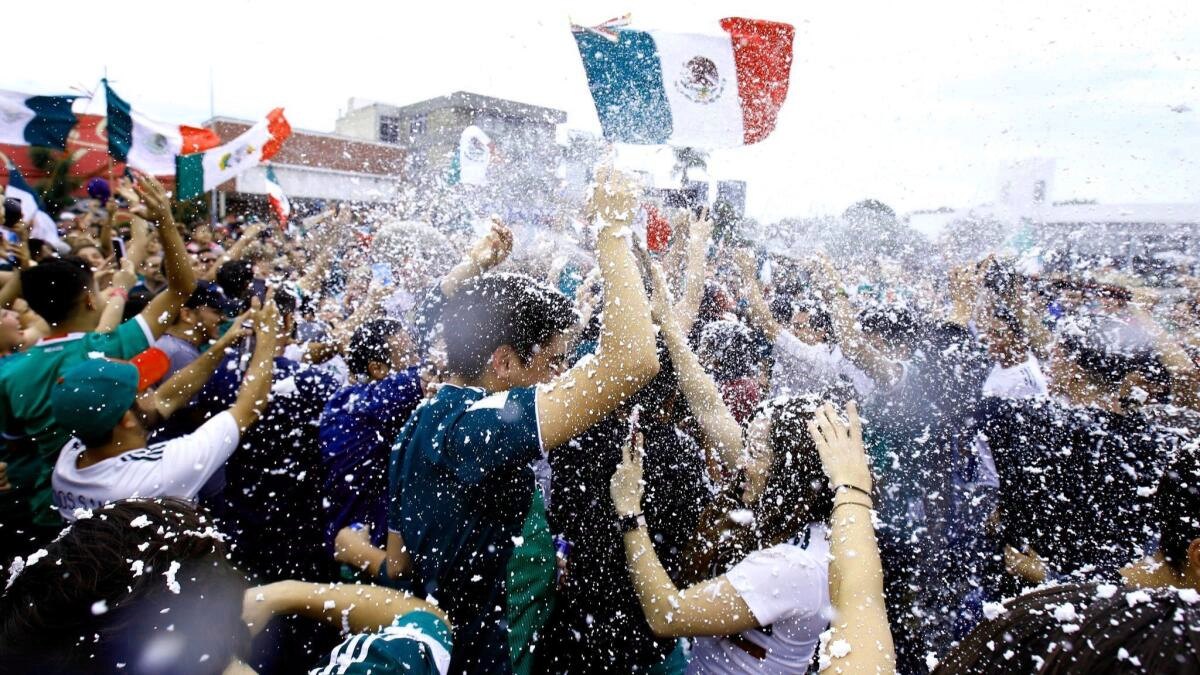
Mexico City’s pitch for the 2026 FIFA World Cup is deliberately bigger than what happens inside Estadio Azteca. Mayor Clara Brugada has framed the tournament as something that should be “lived in the streets,” in neighborhood spaces where people already gather—markets, public squares, and local pitches—rather than confined to ticketed seats and stadium perimeters.
The plan she announced is expansive: 18 free fan festivals spread across the capital during the tournament. The city’s message is that “the capital will be like one big grandstand,” a phrase that captures both the ambition and the political intent—turning a global sports event into a citywide civic experience.
At the center sits the FIFA-sponsored venue in the Zócalo, Mexico City’s main public square in the Historic Center and one of the country’s most symbolically loaded public spaces. Around it, the city intends to build a network of additional fan sites so that the World Cup atmosphere reaches residents who may never go near the stadium or the downtown core.
The festivals are designed as more than viewing parties. Alongside big screens and match broadcasts, the city says each site will include cultural programming, sporting activities, and gastronomic offerings. The menu of activities described by officials includes concerts, public art, family entertainment, traditional games, and workshops—an attempt to make the fan zones feel like neighborhood festivals that happen to be anchored by football.
Brugada tied the rollout to her administration’s promotional slogan for the tournament: “Pelota Vuelve a Casa” (“The ball is coming home”). It’s a narrative about belonging—football returning to the streets—and it sets expectations that the fan experience will be accessible, public, and local, even as the event itself is one of the most commercialized spectacles in global sport.
Number and Distribution of Festivals
| What’s being planned | Count | What it means for fans |
|---|---|---|
| Total fan festival sites | 18 | A citywide network rather than a single mega-site |
| Borough coverage | 16 boroughs | At least one site per borough (plus the Zócalo and one additional site) |
| Full-coverage screening sites | 7 | Show all 104 matches; likely steadier daily crowds |
| Select-match screening sites | 11 | Focus on Mexico’s games + selected fixtures; likely matchday spikes |
The headline number—18 fan festivals—matters not just for scale but for geography. City officials say there will be at least one designated fan fest in each of Mexico City’s 16 boroughs, plus the FIFA-sponsored venue in the Zócalo. In practical terms, that means the World Cup’s public-facing footprint is intended to extend well beyond the traditional tourist corridors and the areas immediately surrounding Estadio Azteca.
This borough-by-borough approach is also a statement about who the World Cup is for. Rather than concentrating resources in a single central fan park, the city is promising a distributed model: multiple sites, multiple neighborhoods, multiple entry points. For residents, it suggests shorter travel times and a chance to participate without navigating the congestion and security intensity that typically surrounds a flagship fan zone. For visitors, it offers a way to experience the city outside the Historic Center—if they’re willing to move around.
The plan also differentiates between “full tournament” sites and “select match” sites. Seven venues will screen all 104 World Cup matches. The remaining 11 will show Mexico’s games and selected matches, a programming choice that implicitly recognizes two different audiences: the all-day, every-day football watcher and the more casual fan who primarily turns out for the national team and marquee fixtures.
That split could shape crowd patterns. Full-coverage sites may become consistent gathering points throughout the 39-day tournament, while select-match venues may see spikes on Mexico matchdays and during high-profile knockout games. From an operations standpoint, that kind of uneven demand is easier to manage when the city has multiple venues rather than one massive site absorbing every surge.
The Zócalo’s role is distinct. As the best-known public square in the country—and the location identified as the FIFA-sponsored venue—it is likely to function as the symbolic “main stage,” even if the city’s broader strategy is to avoid a single-center model. In effect, Mexico City is trying to do both: keep a globally recognizable centerpiece downtown while building a parallel network of neighborhood-scale festivals across all boroughs.
Cultural Programming and Activities
Festival Site Experiences Overview
What the city says you can expect at festival sites (beyond the match broadcast):
– Big screens for live match viewing
– Concerts and live performances
– Public art / installations that give each site a visual identity
– Family entertainment (daytime-friendly programming)
– Traditional games
– Workshops (hands-on activities rather than only spectating)
– Sporting activities (interactive play elements, details to be confirmed)
Mexico City’s fan festivals are being sold as cultural events as much as sports gatherings. The city’s plan pairs match broadcasts with a broad slate of programming: concerts, public art, family entertainment, traditional games, and workshops. The intent is to keep sites active beyond kickoff and final whistle, and to make the festivals appealing even to people who aren’t primarily there for football.
That matters because the World Cup is long—39 days—and the city is planning for sustained engagement, not just a handful of peak matchdays. By promising workshops and traditional games, officials are signaling that the fan zones will have daytime and family-oriented content, not only nighttime concerts or high-energy watch parties. Public art, meanwhile, suggests a visual identity for each site—installations or displays that can turn a temporary fan zone into something that feels like a place, not just a screen in a plaza.
Brugada’s framing—football lived “in the market, in the public square,” with passion overflowing into the streets—connects directly to this programming mix. It’s an argument that the World Cup should amplify what neighborhoods already do: gather, eat, play, and celebrate in public. In that sense, the festivals are positioned as an extension of local civic life rather than an imported event format.
The city has also described “sporting activities” as part of the offering. While details are not spelled out, the inclusion suggests interactive elements—ways for people to play or participate rather than only watch. That aligns with the broader idea of turning the capital into a “grandstand,” where the crowd is part of the spectacle.
The Zócalo, as the FIFA-sponsored venue, is likely to be the most visible stage for these cultural elements, simply because of its prominence and capacity for large-scale events. But the city’s promise applies across all sites: each one, officials say, will include big screens and a mix of entertainment and cultural programming.
In a tournament where the matches themselves are fixed and identical everywhere, the differentiator becomes atmosphere. Mexico City is betting that atmosphere can be built not only with football chants, but with music, art, and neighborhood traditions—an approach that, if executed well, could make the fan festivals feel distinctly local even under a global FIFA umbrella.
Alcohol-Free Policy for Family Safety
Alcohol-Free Policy Considerations
Why an alcohol-free rule can work—and what it can change:
– Upside: easier to keep the tone family-friendly and daytime-accessible
– Upside: may reduce some common crowd-management risks linked to heavy drinking
– Upside: clearer, simpler rule to enforce across 18 distributed sites
– Trade-off: less on-site revenue from beverage sales and fewer alcohol-linked sponsorship models
– Trade-off: some visitors may expect a “bar-like” atmosphere and feel the vibe is different
– Reality check: alcohol-free doesn’t remove the need for security, staffing, and clear crowd rules
One of the clearest policy choices in Mexico City’s fan festival plan is also one of the most unusual in the context of major international tournaments: alcohol sales will be prohibited at the fan zones. Brugada justified the decision in straightforward terms—“the aim is to promote safe and family-friendly spaces.”
That framing is important. Fan zones are often designed as high-volume public gatherings, and alcohol can be both a revenue stream and a risk factor. By removing alcohol sales entirely, the city is signaling that it wants the festivals to be accessible to families, including children, and comfortable for people who might otherwise avoid crowded sports celebrations.
The policy also fits with the broader narrative Brugada has built around the World Cup being “lived in the streets” and in everyday community spaces. Markets and public squares are shared environments; the city’s approach suggests it wants the fan zones to feel like extensions of those shared spaces rather than temporary nightlife districts.
An alcohol-free rule doesn’t eliminate security needs—large crowds still require crowd management, emergency planning, and clear rules—but it can change the tone of an event. It may reduce certain types of disorder associated with heavy drinking and make it easier to market the festivals as daytime-friendly. It also aligns with the promise of “family entertainment” and workshops, which implies programming that begins well before evening.
There is also a practical dimension: the city is planning 18 sites across all boroughs, not a single contained venue. A distributed network of fan zones means enforcement has to be consistent across multiple locations. A simple, blanket rule—no alcohol sales—can be easier to communicate and apply than a patchwork of restrictions.
Still, the decision is not without trade-offs. Alcohol sales are commonly used to help fund event operations and attract certain sponsors. Mexico City is choosing a different model, emphasizing free entry and a family-friendly environment over alcohol-driven revenue.
In the context of the World Cup’s massive public attention, the policy becomes part of the city’s brand. Mexico City is effectively saying: come celebrate, but do it in a way that keeps the spaces welcoming for everyone. Whether that promise holds will depend on execution—how the city manages crowds, sets expectations, and delivers programming that keeps energy high without relying on alcohol to do the work.
Local and Indigenous Food Offerings
| What’s been mentioned by officials | What visitors can reasonably expect on-site | Why it matters for the festival experience |
|---|---|---|
| Food carts | Quick, walk-up options designed for long dwell times | Keeps people comfortable enough to stay for multiple matches/activities |
| Products from local and Indigenous communities | Regional specialties and small-producer goods (availability will vary by site) | Connects the World Cup moment to local commerce and cultural visibility |
| Corn expo | Themed food programming centered on a culturally significant staple | Turns “food” into storytelling, not just concessions |
| Ice cream expo | Family-friendly, browseable treats and vendors | Reinforces the daytime, all-ages festival tone |
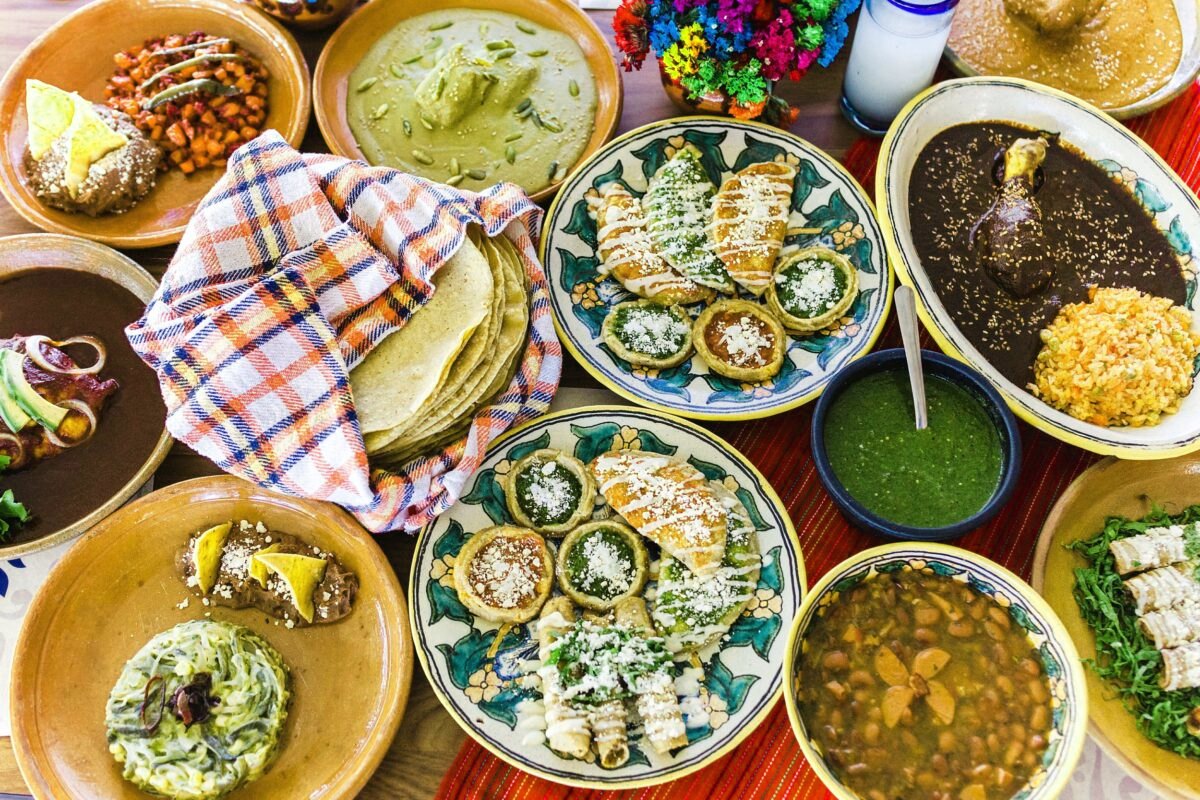
Food is being positioned as a core part of Mexico City’s fan festival experience, not an afterthought. Officials have said festival sites will include gastronomic offerings, with food carts and products from local and Indigenous communities. That emphasis matters in a city where street food and market culture are not just conveniences but social infrastructure—places where people gather, talk, and spend time.
By explicitly naming local and Indigenous products, the city is signaling that the festivals are meant to showcase more than generic stadium fare. The plan suggests an effort to connect the World Cup’s global audience—both visitors and locals caught up in the moment—to Mexico’s culinary identity and to the communities that sustain it.
The city has also mentioned special events such as expos devoted to corn and ice cream. Corn, in particular, carries cultural weight in Mexico; highlighting it in a dedicated expo format suggests the festivals will include themed programming that goes beyond selling food and into storytelling—presenting ingredients and traditions as part of the cultural offering. Ice cream expos, meanwhile, point to a family-friendly sensibility and a festival atmosphere that includes treats and casual browsing, not just match-focused intensity.
This food strategy also aligns with the broader design of the fan zones as community spaces. If the festivals are meant to be “lived in the streets,” then food carts and local vendors are a natural fit. They can help each site feel rooted in its neighborhood rather than interchangeable.
There’s an economic angle as well. Bringing in local and Indigenous vendors can spread some of the World Cup’s commercial benefit beyond large corporate partners and into smaller-scale producers. While the city has not provided numbers on vendor participation or revenue, the intent is clear: the festivals are being used as platforms for local commerce and cultural visibility.
For visitors, the promise of local and Indigenous offerings could become a practical reason to choose a fan festival over a bar or private viewing party—especially given the alcohol-free policy. If the city wants people to spend hours in these spaces, food becomes essential: it keeps crowds comfortable, extends dwell time, and turns matchdays into full-day outings.
In a tournament where the football is the same everywhere, Mexico City is leaning into what it can uniquely offer. Food—especially when tied to local and Indigenous communities and themed expos—is one of the most direct ways to make a global event feel unmistakably Mexican.
Infrastructure Concerns and Preparations
Infrastructure Readiness Under Scrutiny
Signals shaping the “readiness” debate (as publicly reported around the announcement):
– FIFA president Gianni Infantino raised concerns about unfinished infrastructure projects near Estadio Azteca (which is slated to host five matches).
– Media coverage has pointed to a scramble to complete an ambitious renovation of the Mexico City Metro ahead of the June 11 tournament kickoff.
– President Claudia Sheinbaum publicly reprimanded Mayor Clara Brugada and said the federal government would take a bigger role to manage risks and ensure preparations meet FIFA standards.
Why this matters for fan festivals: 18 sites multiply operational dependencies—power, sanitation, crowd routing, and transport links—so infrastructure progress (or delays) can directly affect the day-to-day experience.
Mexico City’s fan festival announcement lands in the middle of a broader debate about readiness for the World Cup—and about what the city should prioritize in the months before kickoff. Brugada’s focus on popular events has drawn criticism from some who argue it comes at the expense of needed infrastructure and security work. The tension became public enough that President Claudia Sheinbaum reprimanded the mayor and moved to increase the federal government’s role in preparations.
The pressure is not abstract. During a meeting with Sheinbaum on March 30, FIFA president Gianni Infantino expressed concern over unfinished infrastructure projects in the vicinity of Estadio Azteca, which will host five matches. That kind of concern from FIFA’s leadership is significant: stadium-adjacent infrastructure—access routes, public space upgrades, mobility connections—tends to be part of the standards host cities are expected to meet.
At the same time, media coverage has highlighted a scramble to finish an ambitious renovation of the capital’s subway system before the tournament begins on June 11. For a city that relies heavily on mass transit, the Metro’s condition is not just a local issue; it becomes a World Cup issue when hundreds of thousands of visitors and residents are expected to move around the city on matchdays and festival days.
Against that backdrop, the fan festivals can be read in two ways. Supporters may see them as a smart way to distribute crowds and create controlled public spaces for celebration—potentially reducing pressure on the stadium area and central districts. Critics may see them as another layer of complexity: 18 sites to secure, staff, and service, at a time when core infrastructure projects are still unfinished.
Sheinbaum’s decision to bring the federal government into a bigger role is framed as risk management—ensuring preparations meet FIFA standards. That suggests a recognition that the World Cup is not only a city event but a national showcase, with reputational stakes for Mexico.
For the fan festivals specifically, infrastructure readiness will shape everything from crowd flow to safety. Big screens, stages, food carts, and workshops require power, sanitation, and logistics. And because the festivals are spread across all boroughs, the city’s ability to deliver consistent quality will depend on coordination across multiple local contexts.
The underlying question is whether Mexico City can balance spectacle and substance: building the celebratory “grandstand” atmosphere Brugada describes while also meeting the less visible but essential demands of transport, security, and FIFA compliance.
Festival Locations and Accessibility
Choosing the Right Fan Site
A practical way to pick a fan festival site (and avoid common friction points):
1) Decide what you want to watch: if you want “any match, any day,” aim for one of the seven full-coverage venues; if you mainly care about Mexico’s matches, a borough site may be closer.
2) Choose “closest viable” over “most famous” when time is tight: the Zócalo is iconic, but it can also be the most crowded.
3) Plan your transit around rail where possible: Metro/Metrobús/light rail are often more predictable than driving across town on matchdays.
4) Build in weather tolerance: June–July often brings afternoon showers—bring a light rain layer and expect slick pavement in crowded plazas.
5) Pace for altitude and long days: at over 2,200 meters, walking + standing for hours can feel harder than expected—schedule breaks and hydration.
6) Check day-of updates: hours, entry rules, and capacity controls can change depending on match importance and security planning.
The anchor location for Mexico City’s World Cup fan experience is the Zócalo, the main public square in the Historic Center. It will likely be the most internationally recognized gathering point for fans who want a central, iconic setting.
But the city’s larger accessibility promise is built on distribution. With at least one designated fan fest in each of the 16 boroughs—plus the Zócalo—officials are effectively saying that no part of the city should be left out. That matters in a metropolis where distance and travel time can be decisive factors in whether people participate in public events.
Accessibility is also shaped by programming. Seven venues will screen all 104 matches, while the remaining 11 will show Mexico’s games and selected fixtures on a limited schedule. For fans, that creates a practical choice: a smaller number of “always-on” sites for comprehensive viewing, and a larger number of neighborhood sites that may be most relevant on Mexico matchdays. In theory, that structure can reduce unnecessary travel—people can stay local for the biggest national moments, while more dedicated viewers can choose a full-coverage venue.
Transportation will inevitably be part of the experience, especially for visitors. Mexico City’s public transport network—Metro, Metrobús, and light rail—is central to how people move between districts. Guidance for fans traveling to the stadium often highlights Metro connections and the light rail link to Estadio Azteca, underscoring how important rail-based mobility will be during the tournament.
The city’s distributed fan festival model could help here, too. If residents can attend a borough site rather than traveling across town to the Zócalo or the stadium area, that may ease pressure on the busiest corridors. Conversely, the Zócalo’s pull as a symbolic center could still create heavy demand in the Historic Center, especially for high-profile matches.
Another factor is timing and weather. The tournament takes place in June and July, which coincide with Mexico City’s rainy season, with frequent afternoon showers. Outdoor public events need contingency planning—covered areas, drainage, safe footing, and clear communication—if the city wants the festivals to remain comfortable and accessible across the full schedule.
Finally, Mexico City’s altitude—over 2,200 meters—is a subtle accessibility issue for visitors not used to it. It can affect how people feel during long days outdoors, especially when combined with walking and crowded spaces. In a citywide festival model, the ability to choose a closer venue becomes not just convenient, but physically easier.
Economic Impact of the Festivals
Measuring Citywide Festival Impact
A grounded way to think about “economic impact” for free, citywide fan festivals:
– On-site spending: food carts, local/Indigenous products, and any permitted merchandising
– Spillover spending: nearby restaurants, shops, and transport around each borough site (the decentralization bet)
– Short-term work: setup/teardown, cleaning, security, programming, vendor operations across 18 locations
– Public costs: logistics, sanitation, staffing, and site infrastructure—especially significant when entry is free
– Distribution question: whether benefits reach neighborhood businesses beyond the Historic Center and stadium area
Mexico City’s fan festivals are designed as free public events, but they are not economically neutral. Even without ticket revenue, the festivals can shape where money flows during the World Cup—who benefits from visitor spending, and how widely that spending is distributed across the city.
A key economic logic of the plan is decentralization. By placing at least one fan fest in each borough, the city is creating reasons for people to gather—and spend—outside the Historic Center and the immediate stadium zone. That can matter for small businesses that might otherwise see little World Cup benefit: neighborhood food vendors, local service providers, and informal commerce that thrives around public events.
The city has explicitly said festival sites will include food carts and products from local and Indigenous communities. That is an economic choice as well as a cultural one. It suggests that at least some vendor opportunities are intended for smaller-scale producers, not only large commercial operators. Special events like corn and ice cream expos also imply curated marketplaces where specific products and sellers can gain visibility.
Tourism is another piece of the equation. Mexico City is expected to draw large numbers of international visitors during the tournament, and fan festivals can function as “soft infrastructure” for tourism—places that absorb crowds, provide entertainment, and encourage longer stays in public areas. Even visitors without match tickets may participate, which broadens the base of potential spending on food, transport, and nearby businesses.
The festivals may also generate temporary employment. Large public events typically require staffing for setup, operations, cleaning, programming, and security. While the city has not provided figures, the scale—18 sites over a 39-day tournament—implies a significant operational footprint.
At the same time, the alcohol-free policy changes the commercial profile of the events. Many fan zones elsewhere rely on beverage sales and related sponsorships. Mexico City is prioritizing family-friendly safety over alcohol-driven revenue, which could mean the economic upside leans more heavily on food sales, merchandising, and spillover spending in surrounding areas rather than on-site alcohol concessions.
There is also a cost side. Free entry and citywide distribution mean the public sector is likely carrying substantial expenses for logistics, infrastructure at sites, and coordination. Those costs are part of the broader World Cup preparation debate, especially given concerns about unfinished infrastructure projects and the push from the federal government to manage risks and meet FIFA standards.
In short, the festivals are an economic bet: that broad participation and distributed foot traffic will produce citywide benefits—cultural, commercial, and reputational—worth the operational complexity and public investment.
Community Engagement and Inclusivity
Inclusive Access Across Mexico City
The inclusivity “levers” Mexico City is pulling at once:
– Free entry (cost barrier removed)
– Borough-level distribution (distance/time barrier reduced)
– Family-oriented programming (reasons to attend beyond football)
– Alcohol-free policy (aimed at safer, more welcoming public spaces)
– Local and Indigenous vendor presence (visibility and commerce beyond big brands)
Mexico City’s fan festival strategy is built around a simple premise: the World Cup should be accessible, not exclusive. Free entry is the most direct expression of that. By removing ticket costs, the city is lowering the barrier for participation in what is often an expensive, highly commercialized event ecosystem.
The distribution of festivals across all 16 boroughs reinforces the inclusivity message. It suggests the city is not treating the World Cup as something for the center only, or for tourists only, but as a shared civic moment. Brugada’s language—football lived in neighborhood spaces, passion overflowing into the streets—frames the tournament as something that belongs to communities where people already gather.
Programming choices also support that goal. The city has promised family entertainment, traditional games, and workshops—activities that are not limited to hardcore football fans. Concerts and public art broaden the appeal further, making the festivals potentially attractive to residents who may come for culture and community rather than for a specific match.
The alcohol-free policy is another inclusivity lever. By prohibiting alcohol sales, the city is explicitly aiming for safer, more family-friendly spaces. That can make the festivals more welcoming for families with children and for people who avoid alcohol-centered environments. It also signals a desire to reduce the risk factors that can make large sports gatherings feel intimidating or unsafe for some attendees.
Food offerings are part of community engagement too. The inclusion of products from local and Indigenous communities suggests an effort to give visibility—and commercial opportunity—to groups that are often sidelined in mega-event economies. Special expos devoted to corn and ice cream point to programming that can draw diverse audiences, including those who might not spend hours watching matches but will show up for a festival atmosphere.
Still, inclusivity is not only about invitations; it’s about execution. A citywide network of fan zones requires consistent operations: clear rules, accessible layouts, and effective crowd management. The broader context—concerns about infrastructure readiness near Estadio Azteca and the scramble to complete subway renovations—adds pressure. If transport is strained or public spaces feel chaotic, the people most likely to be excluded are often those with the least flexibility: families, older residents, and people with limited time or mobility.
Mexico City is promising a World Cup that feels local, public, and shared. The success of that promise will be measured not only by attendance numbers, but by whether residents across boroughs feel the festivals were truly for them—and whether visitors experience a city that can celebrate at scale without closing itself off.
The Future of Fan Engagement in Major Sporting Events
Lessons from Mexico City Model
What Mexico City’s model suggests other host cities may copy (or adapt):
– Decentralize the “main event” feeling: multiple neighborhood-scale sites can reduce single-point congestion
– Design for mixed audiences: pair match viewing with culture, food, and daytime programming
– Safety-first branding choices: policies like alcohol-free zones can reshape who feels comfortable attending
– Treat mobility as part of the product: transit reliability and clear routing can matter as much as screens and stages
– Measure success beyond attendance: look at borough participation, crowd comfort, and whether benefits spread beyond tourist cores
Mexico City’s plan—18 free fan festivals across all boroughs, anchored by the Zócalo—offers a glimpse of where mega-event fan engagement may be heading: outward, decentralized, and designed to feel civic rather than purely commercial. The model is ambitious, and it arrives alongside real concerns about infrastructure readiness and the need to meet FIFA standards. That tension may ultimately define the legacy: whether a city can expand public celebration while still delivering the fundamentals of mobility, safety, and coordination.
Innovative Approaches to Inclusivity
The most notable choices are structural: free entry, borough-level distribution, and an alcohol-free policy justified as a way to keep spaces safe and family-friendly. Together, they represent a deliberate attempt to widen the audience—families, casual fans, residents far from the center—rather than concentrating the experience among ticket holders or those able to pay for premium venues.
Cultural Significance of the World Cup Festivals
By pairing match screenings with
Plans for 2026 may change as organizers finalize venues, schedules, and operating rules. This reflects publicly available information and official statements available at the time of writing, and some details may be incomplete or updated. For the most accurate day-of guidance, consult city and tournament channels once final venue-specific information is published.

Martin Weidemann is a digital transformation expert and entrepreneur with over 20 years of experience leading fintech and innovation projects. As a LinkedIn Top Voice in Digital Transformation and contributor to outlets like Forbes, he now brings that same expertise to travel and mobility in Mexico City through Mexico-City-Private-Driver.com. His focus: trustworthy service, local insights, and peace of mind for travelers.